
Last updated November 25, 2026
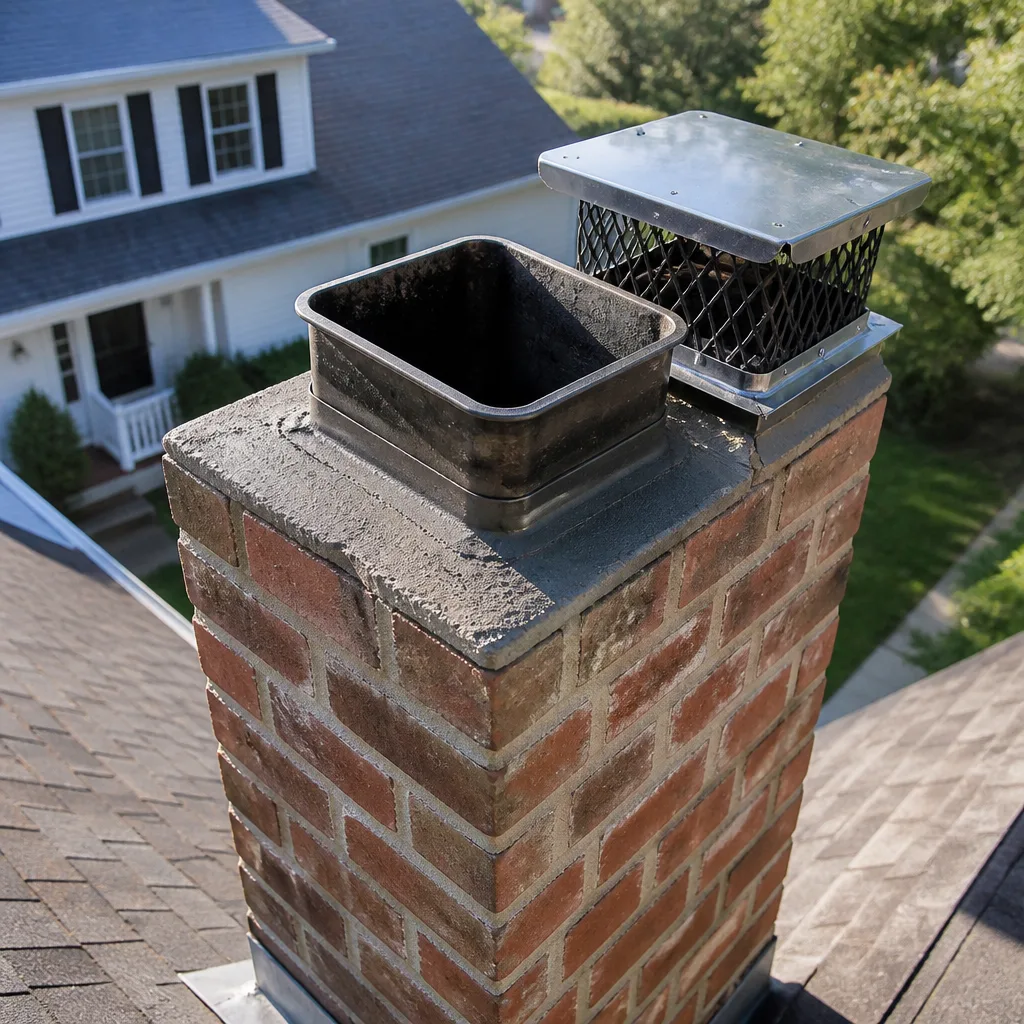 Sweep & inspection
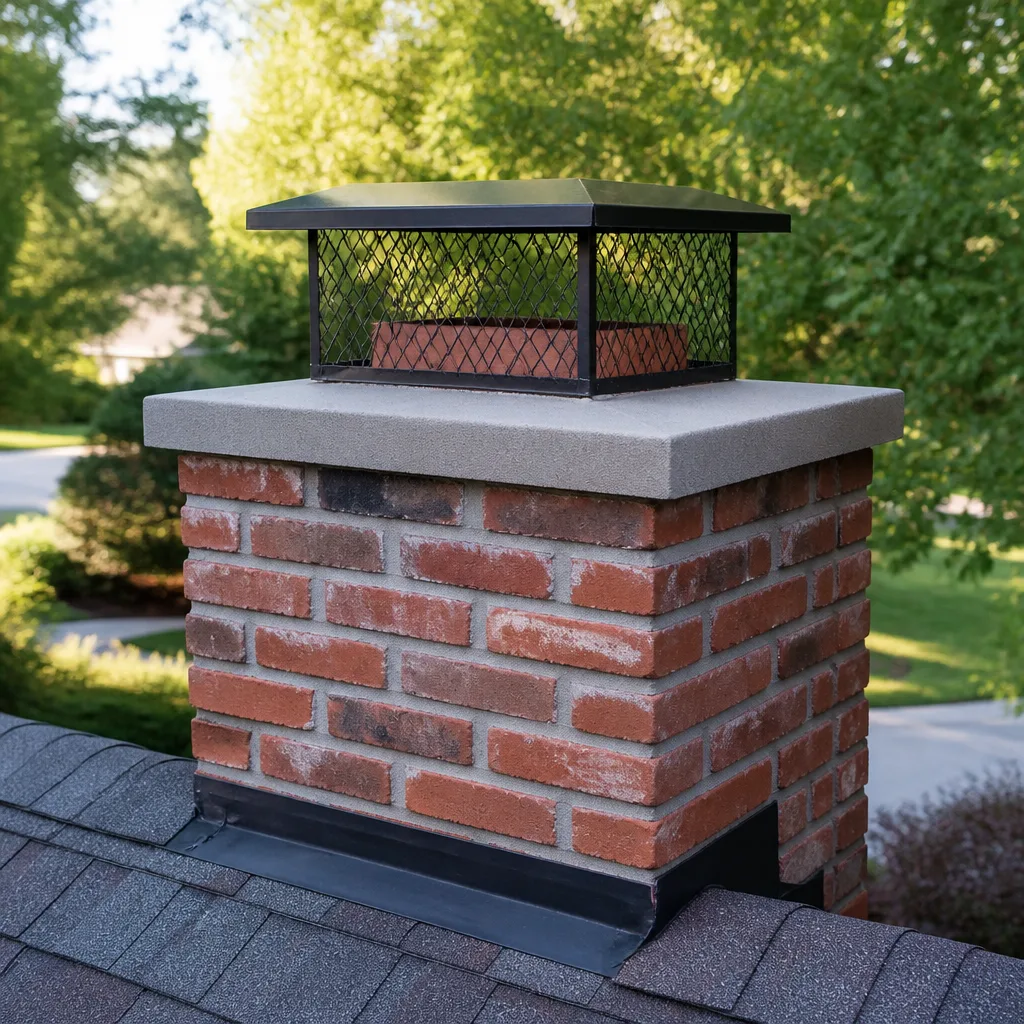 Caps & crowns
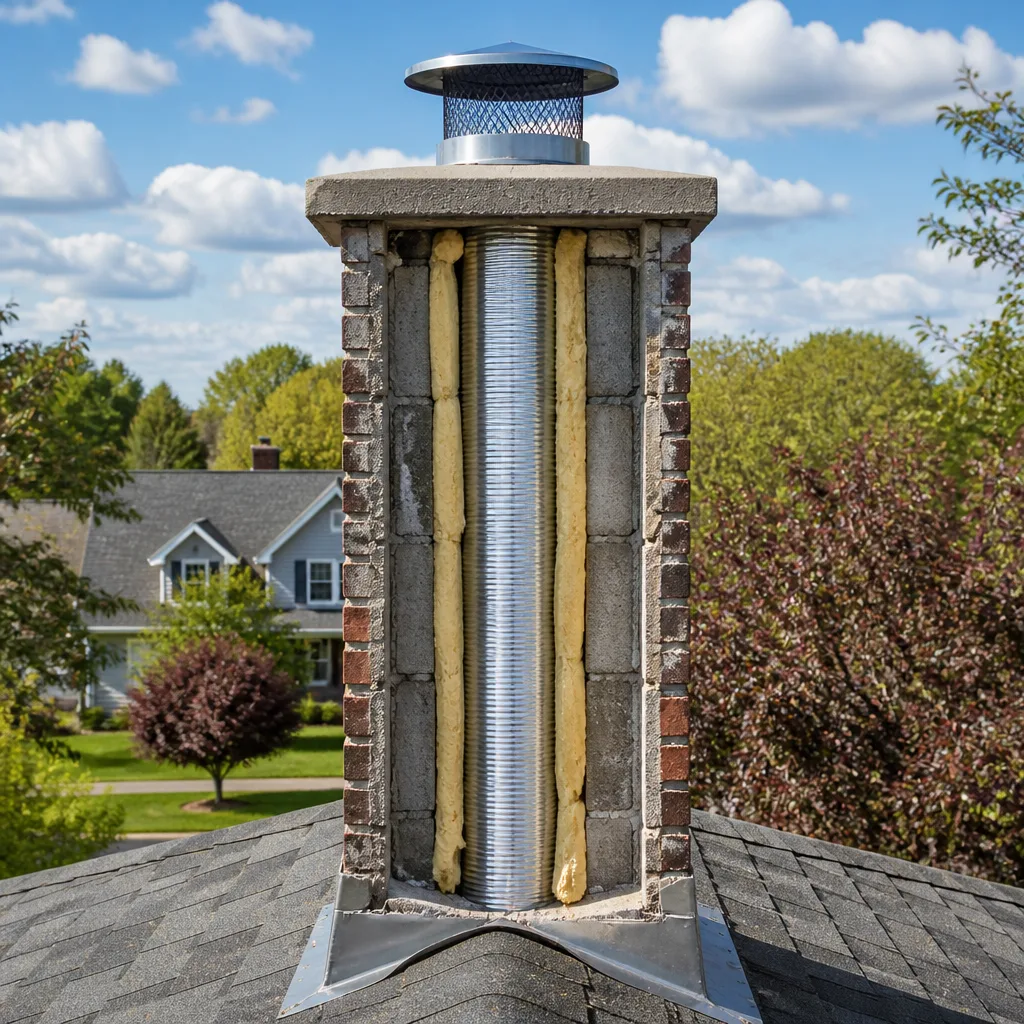 Flue relining
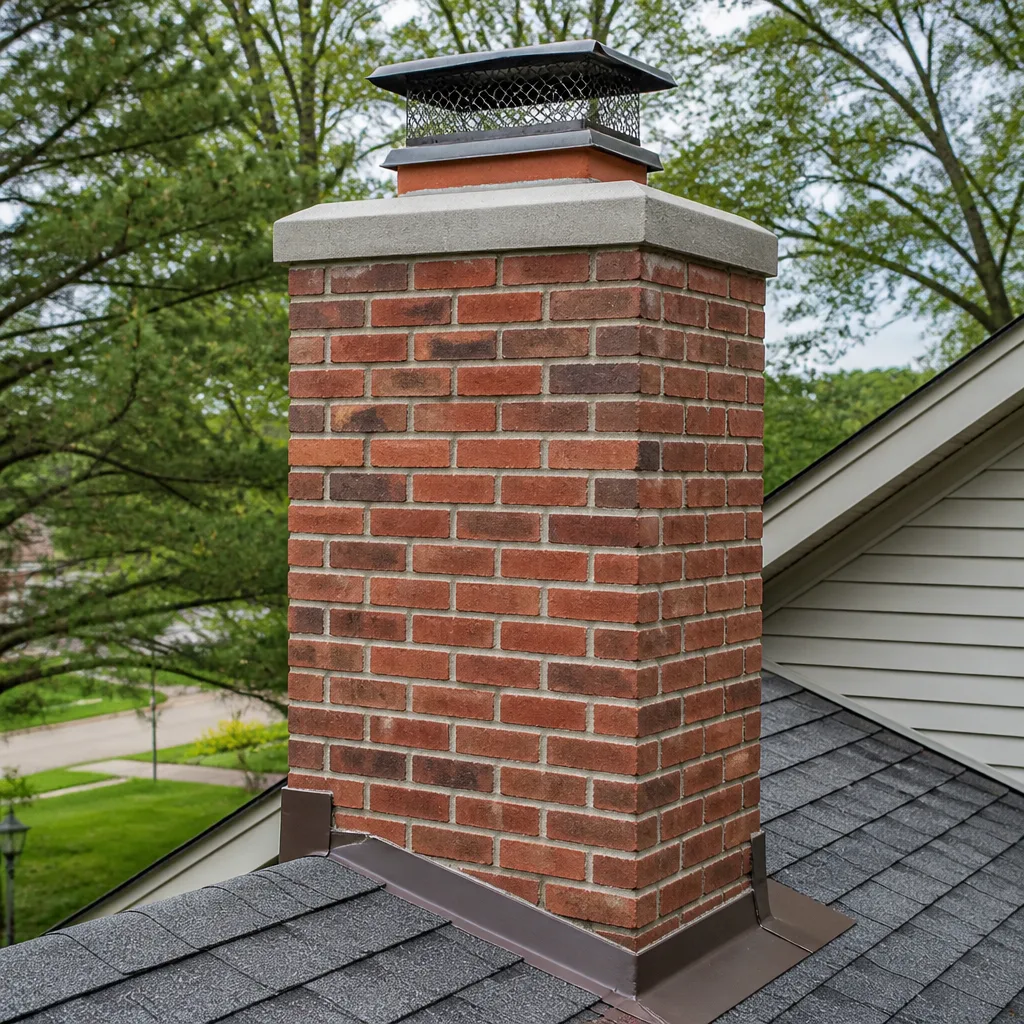 Masonry repair
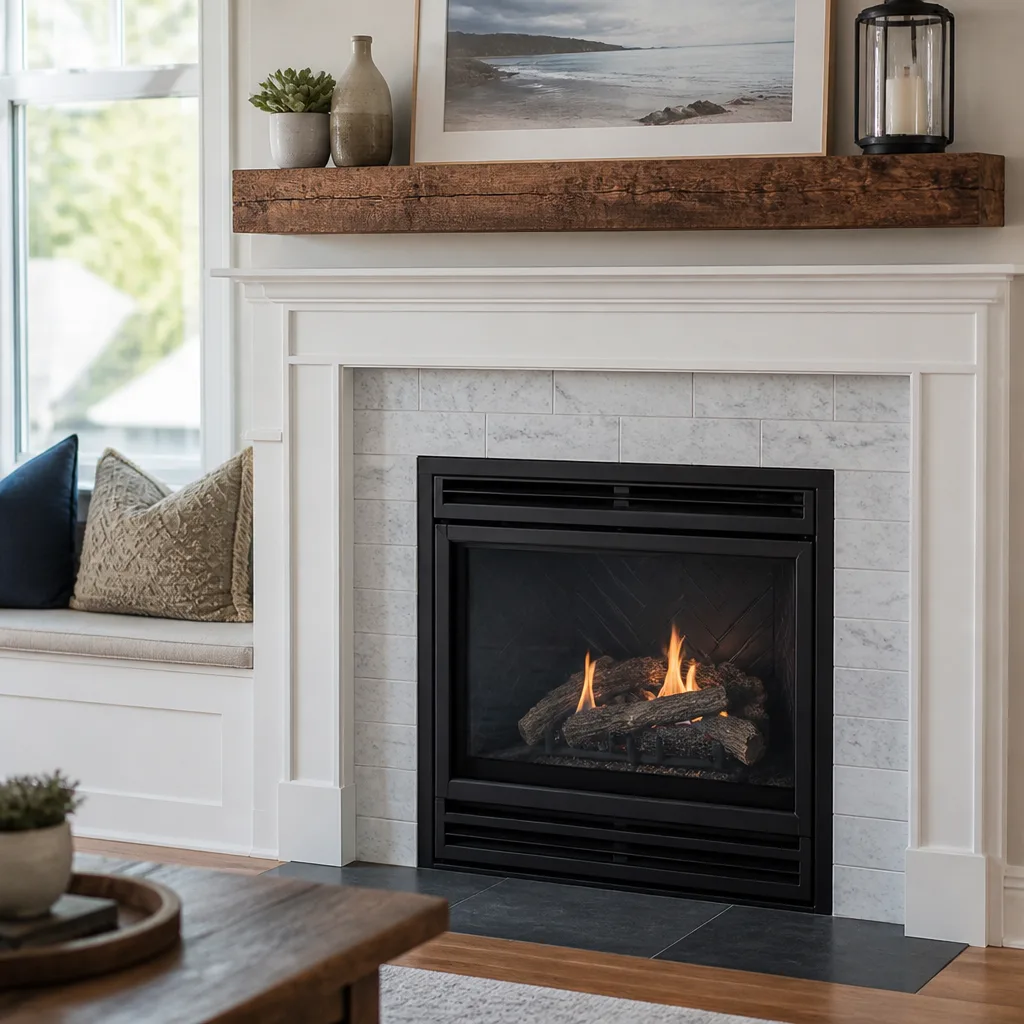 Gas fireplace service
Level 1 sweep and inspection to the NFPA 211 annual standard - flue, crown, cap, and flashing checked and photographed
Chimney sweep logs do not sweep chimneys. They loosen some creosote - which then falls where a brush and vacuum still have to collect it.
The Complete Guide to Chimney Cleaning in Pleasant Grove
Most homeowners who book a “chimney cleaning” picture a brush going up and down the flue. That’s part of the job, but it’s the least revealing part. The cleaning itself is a diagnostic window: while we’re removing soot and creosote, we’re also reading what the smoke chamber, flue liner, and crown are actually doing between fires. A brush-and-go sweep skips that reading entirely. This guide maps the anatomy of a proper full-system cleaning, in the order it should happen, so you know what to expect when a technician arrives at your Pleasant Grove home.
Quick Answer
A proper chimney cleaning in Pleasant Grove inspects and clears the entire system from top to bottom: cap and crown, smoke chamber, flue liner, and firebox. Cleaning alone isn’t enough. What matters is a cleaning paired with a documented inspection so you know condition, not just cleanliness. Our technicians have up to 10 years of experience and use professional-grade components from brands like DuraFlex and HeatShield when repair is needed.
Styles & brands we work with
- Sweep & inspection
- Caps & crowns
- Flue relining
- Masonry repair
- Gas fireplace service
Table of Contents
- What Does a Full-System Chimney Cleaning Actually Cover?
- Level 1, Level 2, and Level 3 Inspections Explained
- How North Texas Weather Affects Your Chimney
- The Three Stages of Creosote and Why Stage 3 Can’t Be Brushed
- What a Thorough Cleaning Uses That a Surface Sweep Doesn’t
- How Often Should You Schedule a Cleaning in Pleasant Grove?
- What Does Chimney Cleaning Cost in Pleasant Grove?
- Common Mistakes to Avoid
- When to Call a Professional
- Frequently Asked Questions
What Does a Full-System Chimney Cleaning Actually Cover?
A full-system cleaning works in a specific anatomical order: cap and crown at the top, then the flue liner, the smoke chamber, and the firebox at the bottom. Each zone accumulates its own kind of debris and shows its own kind of damage. Skipping a layer means you miss both. Here’s what a proper top-to-bottom cleaning addresses, zone by zone.
1. Cap and Crown
The cap sits on top of the flue and keeps rain, birds, and debris out. The crown is the concrete or masonry surface that slopes around the flue to shed water away from the chimney structure. When we’re on the roof, we check for cracked crowns, missing or damaged caps, and loose flue tile. A failed crown is one of the most common entry points for water, and water is the leading cause of masonry deterioration over time.
2. Flue Liner
The liner is the flue’s inner wall. It channels smoke and gases up and out, and it’s the single most important safety component in a solid-fuel system. During cleaning, we run a video scan to check for cracks, gaps at the joints, and glazed creosote. A compromised liner means heat and gases can reach combustible materials in the chimney structure, or carbon monoxide can leak into living spaces.
3. Smoke Chamber
The smoke chamber is the tapered space above the damper and below the flue. Its sloped walls compress smoke before it enters the flue. Rough, corbeled masonry in the chamber collects creosote that standard brushing can’t always reach, especially in older Pleasant Grove homes. Proper cleaning here means scraping and, in some cases, resurfacing.
4. Firebox
The firebox is where the fire lives. We check for cracked firebrick, deteriorated mortar joints, and a damaged damper. Firebox repair is one of our dedicated services because this is where structural failure shows up first, and where heat stresses are highest.
Bringing each layer into the same inspection is the difference between a checkbox sweep and a system report. A fireplace is only as safe as its weakest component. If the firebox passes but the liner has gaps, the system still isn’t safe to use. Cleaning every zone in one visit means you get one clear picture of the whole chimney.
Level 1, Level 2, and Level 3 Inspections Explained
NFPA 211 defines three inspection levels, and knowing which level applies to your situation tells you whether a simple cleaning visit is enough or whether you need something more thorough. Here’s how each level maps to real Pleasant Grove scenarios.
Level 1 Inspection
A Level 1 is the standard inspection that accompanies an annual cleaning. It covers all readily accessible portions of the chimney and venting system: firebox, damper, smoke chamber visible portions, and flue. It’s appropriate when the appliance (fireplace or stove) hasn’t changed and there’s no known problem. Most Pleasant Grove homeowners booking an annual sweep get a Level 1.
Level 2 Inspection
A Level 2 goes further. It includes everything in a Level 1 plus a video scan of the flue liner and inspection of accessible attic, crawlspace, and rooftop areas. A Level 2 is what you want when:
- You’re buying a home in Pleasant Grove and want the chimney condition documented before closing.
- You’ve changed appliances, such as adding a wood stove insert or converting to gas.
- The chimney has been through a significant event (a storm, a chimney fire, or a flood).
- You’re relining or making structural changes to the system.
Level 3 Inspection
A Level 3 is the most involved. It’s reserved for situations where the condition of concealed areas needs direct access, and it may require removing parts of the chimney or adjacent construction to reach them. A Level 3 is typically triggered by a known hazard, a suspected hidden defect, or a diagnosis that can’t be confirmed from accessible areas alone.
In our experience in Pleasant Grove, the most common missed inspection is the Level 2 during a home purchase. Buyers often accept a visual check from a general inspector and never get the flue scanned. If you’re buying a home with an active fireplace, ask specifically which inspection level the seller’s report covers. For a documented assessment tied to specific findings, our Chimney Sweep Pleasant Grove page covers how we structure that visit.
How North Texas Weather Affects Your Chimney
Chimneys here age differently than in most of the country, and it has less to do with hard winters than with what the ground and air do across the year. Clay soils expand and contract with moisture, and North Texas temperature swings put masonry through repeated thermal movement. Combined, those forces accelerate mortar and liner wear compared to regions with more uniform conditions.
Clay Soil and Foundation Movement
Dallas-area clay soil swells when wet and shrinks when dry. That movement transmits through the footprint of the house and the chimney structure. Over time, you can see the effects where the chimney meets the roofline or where the crown meets the flue: hairline cracks in mortar joints, crown separation, and gaps that weren’t there a few seasons ago. These cracks give water a path in, and water causes more damage than any fire the chimney is rated to contain.
Temperature Swings and Masonry
North Texas winters are mild, but the swings are sharp. A chimney goes through heating and cooling cycles every time a fire burns and every time the season turns. Masonry and mortar don’t expand and contract at the same rate, so the joints take the wear. Clay tile liners show it too, often cracking along the joints before the tile itself fails. This is part of why a video scan matters here: hairline cracks from thermal movement can be nearly invisible from the firebox.
What This Means for Pleasant Grove Homeowners
Annual inspection isn’t a formality in this region. A chimney that passes one year can develop a crack in the next, and the crack can show up between cleanings. That’s the case for pairing the cleaning with a documented inspection each time, and for taking a close look after any major temperature swing or storm. It’s also why the crown and cap deserve the same attention as the flue.
The Three Stages of Creosote and Why Stage 3 Can’t Be Brushed
Creosote is the residue left behind by wood smoke, and it accumulates in three recognizable stages. Each stage behaves differently, and the removal method has to match the stage. Brushing works for the first two. The third doesn’t come off with a brush, period.
Stage 1: Sooty and Flaky
Fresh creosote is light, flaky, and soot-like. It builds up first in the flue and smoke chamber. This stage is the easiest to remove with standard brushing and vacuuming, and it’s what a regular cleaning addresses.
Stage 2: Crusty and Brittle
As more deposits accumulate, the creosote hardens into a crusty, brittle layer. It adheres to the flue wall and takes more mechanical effort to break loose. Stage 2 still responds to brushing and scraping with the right tools. Catching it here is one reason an annual cleaning matters.
Stage 3: Glazed and Hard
Stage 3 creosote has been baked onto the flue wall under heat until it’s hard, shiny, and glazed. It looks almost like a glass layer inside the flue. This stage is a recognized fire hazard because it’s highly combustible, and a routine brush will slide right over it. Stage 3 can’t be removed by brushing alone. It requires a chemical treatment to break down the glazed layer, followed by mechanical removal.
If we find Stage 3 during a scan, we document it and explain what we’re seeing. Nothing gets recommended without camera evidence you can review yourself. And if the flue is compromised beyond what resurfacing can fix, that’s when a relining approach with a professional-grade system like DuraFlex comes into the conversation. A professional can confirm the right path.
What a Thorough Cleaning Uses That a Surface Sweep Doesn’t
The tool list is where a surface sweep and a full-system cleaning separate. A brush and a shop vacuum will clear loose soot. They won’t tell you what’s happening inside the flue or show you the condition of the smoke chamber walls. Here’s what proper equipment brings to the job.
Video Scan Equipment
A camera run through the flue shows the liner condition in detail the eye can’t reach from the firebox. Cracks, gaps at joints, glazed creosote, and previous repair failures all show up on the scan. We document what we find, and the findings are tied directly to any repair recommendation.
Professional-Grade Resurfacing Materials
When the smoke chamber or flue tile has deteriorated, the options used to be limited to full liner replacement. HeatShield resurfacing changes that: it allows a deteriorated flue tile to be resurfaced without tearing out and replacing the whole liner. For the right candidate, this is a repair path that sweep-only companies often can’t offer. The trade-grade materials matter here. We source professional-grade components from brands like HeatShield, DuraFlex, Gelco, Olympia Chimney, Famco, and Copperfield, rather than generic hardware-store substitutes.
Caps and Crown Materials
Replacement caps and crown repairs call for trade-grade components too, and our chimney cap & crown work uses those materials. A generic off-the-shelf cap may fit the flue opening but not hold up over seasons of sun and moisture here. Correct materials extend the interval between repairs.
Firebox and Structural Repair
When the scan shows firebox cracking or damaged firebrick, fireplace repair gets planned around what the camera found, not a guess. The repair is tied to the documented condition.
How Often Should You Schedule a Cleaning in Pleasant Grove?
Annual cleaning and inspection is the standard recommendation for a wood-burning chimney, and in Pleasant Grove we don’t see a reason to stretch it longer. The climate swings here give masonry more wear per year than in more stable regions. That’s why a system that looked fine last season can show a new crack this one.
The Case for Every Year
Every year means every change gets caught early. It also means creosote never gets a chance to move from Stage 2 to Stage 3, which is where the chemical treatment cost and fire risk both rise. If you burn often, an annual cleaning is the minimum. If the fireplace is decorative and rarely lit, the inspection still matters, because the crown and cap degrade whether or not you use the chimney.
Signs You Shouldn’t Wait
Schedule sooner if you notice:
- A strong, sour smoke smell that lingers long after a fire.
- Visible black buildup inside the firebox or on the damper.
- Smoke backing into the room when you light a fire.
- Cracks in the firebox or visible mortar gaps.
- Water stains or a musty smell near the chimney or in the attic.
- Any debris, such as a nest or leaves, visible at the flue opening.
The environmental piece matters here too. When deposits are left to build on the flue walls, every fire adds another layer. The buildup raises the risk of a chimney fire, and the fire can spread into the chimney structure. A small glazed patch caught early is a repair. Left alone, it can mean a liner replacement or worse.
What Does Chimney Cleaning Cost in Pleasant Grove?
Chimney cleaning in Pleasant Grove is priced per job, based on the condition of the system and the scope required. The written estimate sets the final price, so nothing gets marked up after the fact. Here’s how the pieces typically stack up.
- Standard cleaning and Level 1 inspection: priced per job after the estimate; the cleaning includes the firebox, damper area, smoke chamber, and flue.
- Level 2 inspection with video scan: priced separately because it covers the flue interior and accessible attic, crawlspace, and rooftop areas.
- Cap and crown repair or replacement: priced on the condition found and the materials needed.
- HeatShield resurfacing: priced on the extent of the damaged flue surface. It’s a resurfacing path, not a full liner replacement.
- DuraFlex relining: priced on flue dimensions and the repair scope. It’s a solution for older or damaged flues; each job is unique.
Costs vary by home, and we set the price per job after the estimate. We don’t quote a flat range for work we haven’t seen. The estimate is free, and you’ll have the scan and the report in front of you before you decide. If you want the full picture of what a visit involves, the chimney sweep page walks through the standard service. The one thing we won’t do is recommend a liner or masonry repair you haven’t seen evidence for. If the flue can safely wait, we’ll tell you that too.
Common Mistakes to Avoid
- Assuming a “cleaning” includes the smoke chamber. Many brush-and-go services sweep the flue and skip the smoke chamber entirely, which is where creosote can hide above the damper.
- Skipping the inspection during a home purchase. In Pleasant Grove, a general home inspection usually won’t scan the flue. Ask for a Level 2 before you close.
- Ignoring a cracked crown because the fireplace still works. The crown sheds water away from the chimney structure. A cracked crown can look fine from the ground while water works its way in.
- Trying to brush off Stage 3 glazed creosote. A brush won’t take it down, and the glazed layer is combustible. Stage 3 needs chemical treatment followed by mechanical removal.
- Putting off the cleaning until the smell gets strong. A strong odor means the buildup is already advanced. It’s a signal to stop waiting, not to keep an eye on it.
- Letting a sweep finish without a written report. If the findings aren’t documented and tied to specific recommendations, you can’t tell whether the fireplace is safe to use.
- Assuming annual cleaning is enough if the cap has been missing for years. No cap means water, birds, and debris have had an open path into the flue. That’s a reason to inspect the liner sooner.
When to Call a Professional
Some situations call for a trained professional, not a DIY attempt. If you see glazed or black, hardened creosote in the flue, if the firebox has cracks or open mortar joints, or if smoke backs into the room, stop using the fireplace and schedule an inspection. If the cap is damaged or missing, or the crown has visible cracks, that’s a repair job, and the earlier it’s handled, the less water damage the chimney takes. If you’ve had a chimney fire, even a small one, the system needs inspection before it’s used again. And if you’re buying a Pleasant Grove home with an active fireplace, get a Level 2 before closing. Chimney Sweep Pleasant Grove offers free estimates in Pleasant Grove: call (855) 337-2098. We answer 24/7. Fast dispatch from 7am to 7pm, Sunday through Friday.
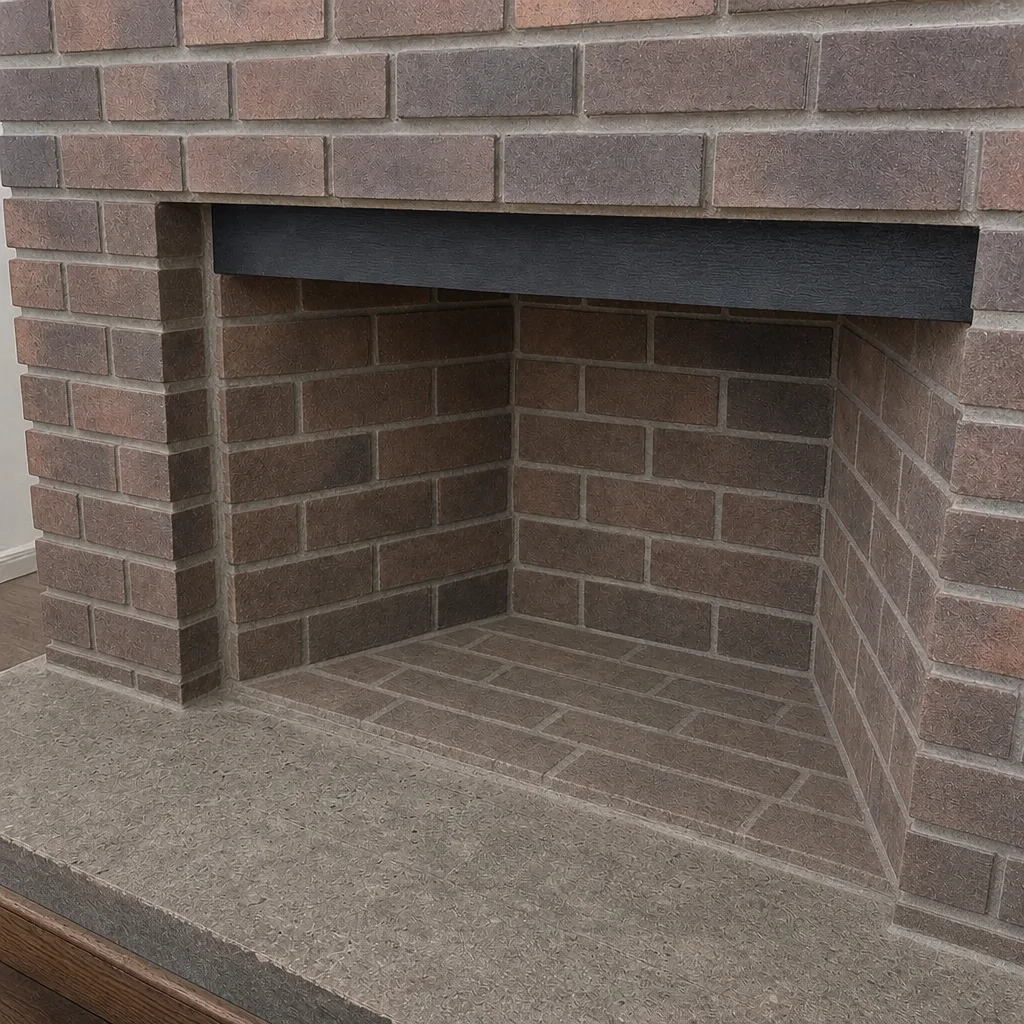
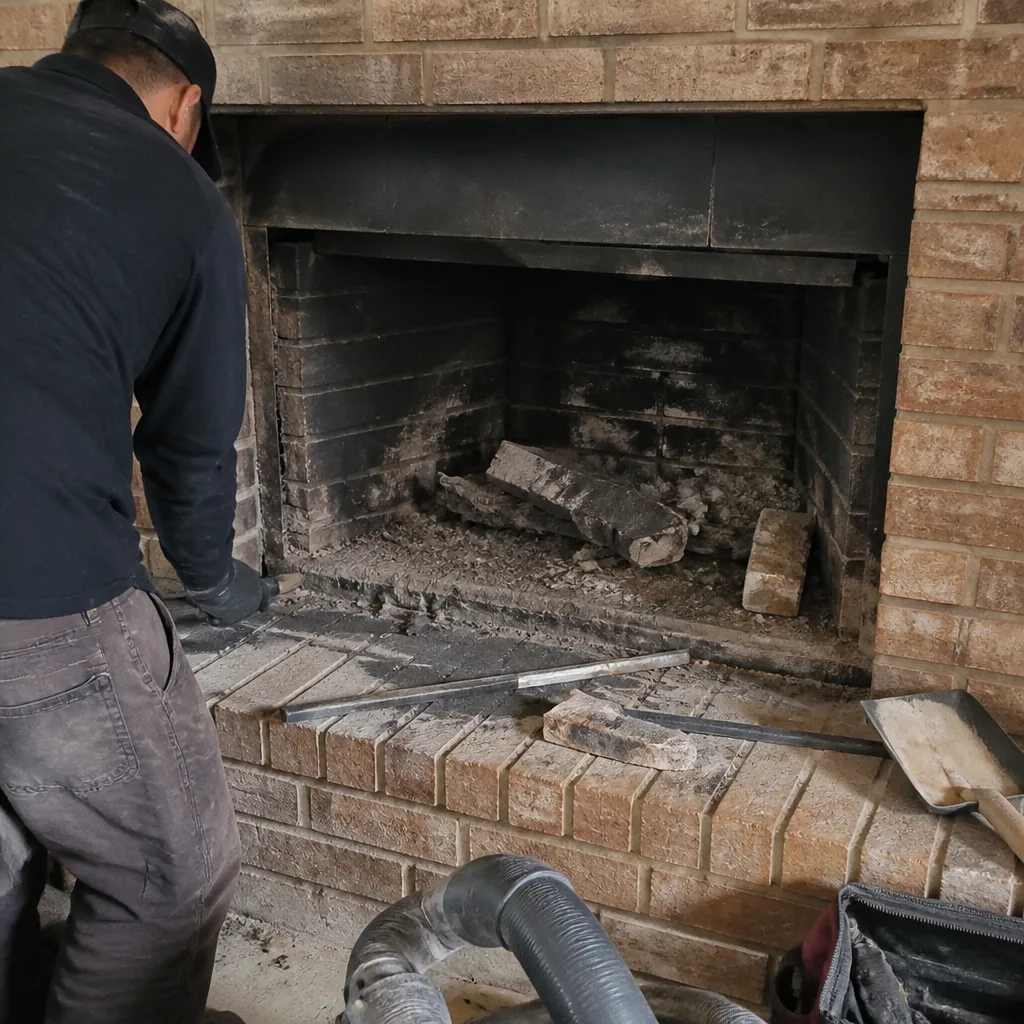
See the difference
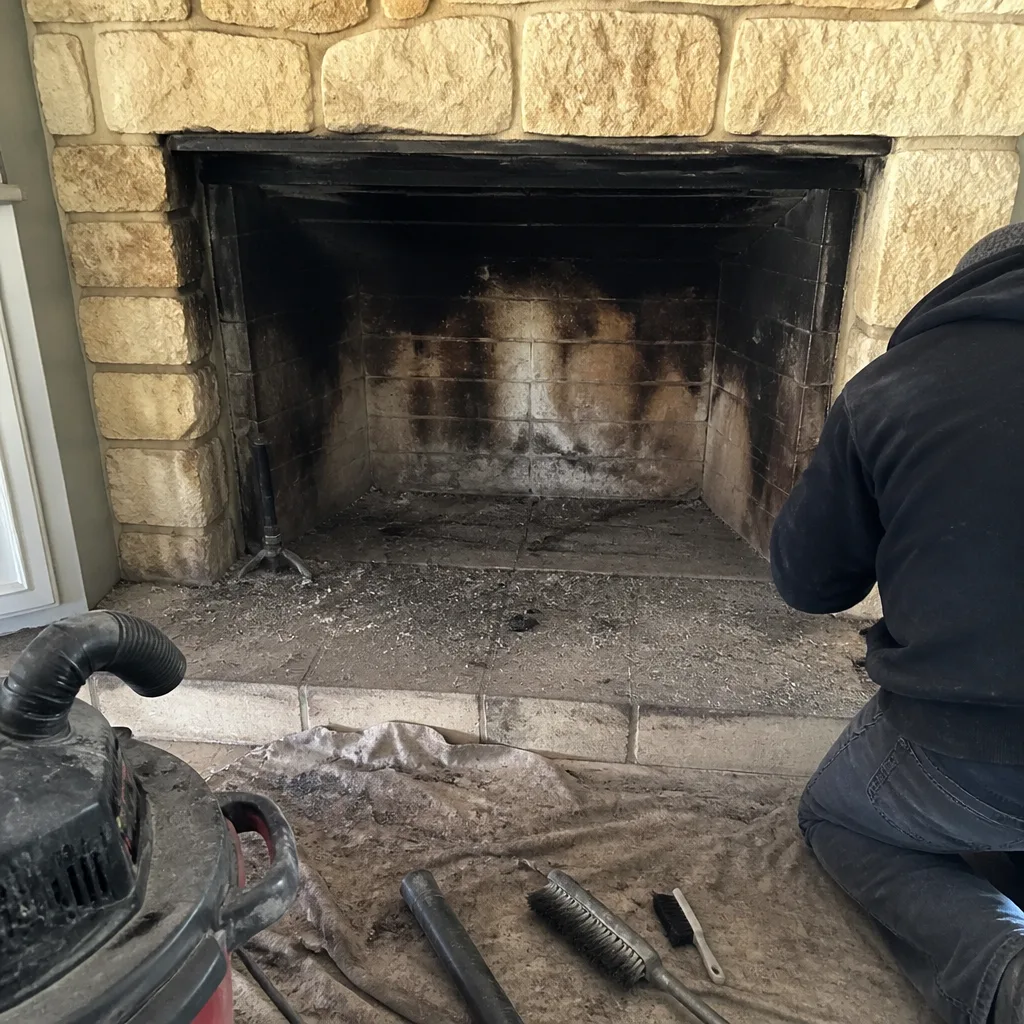 Before
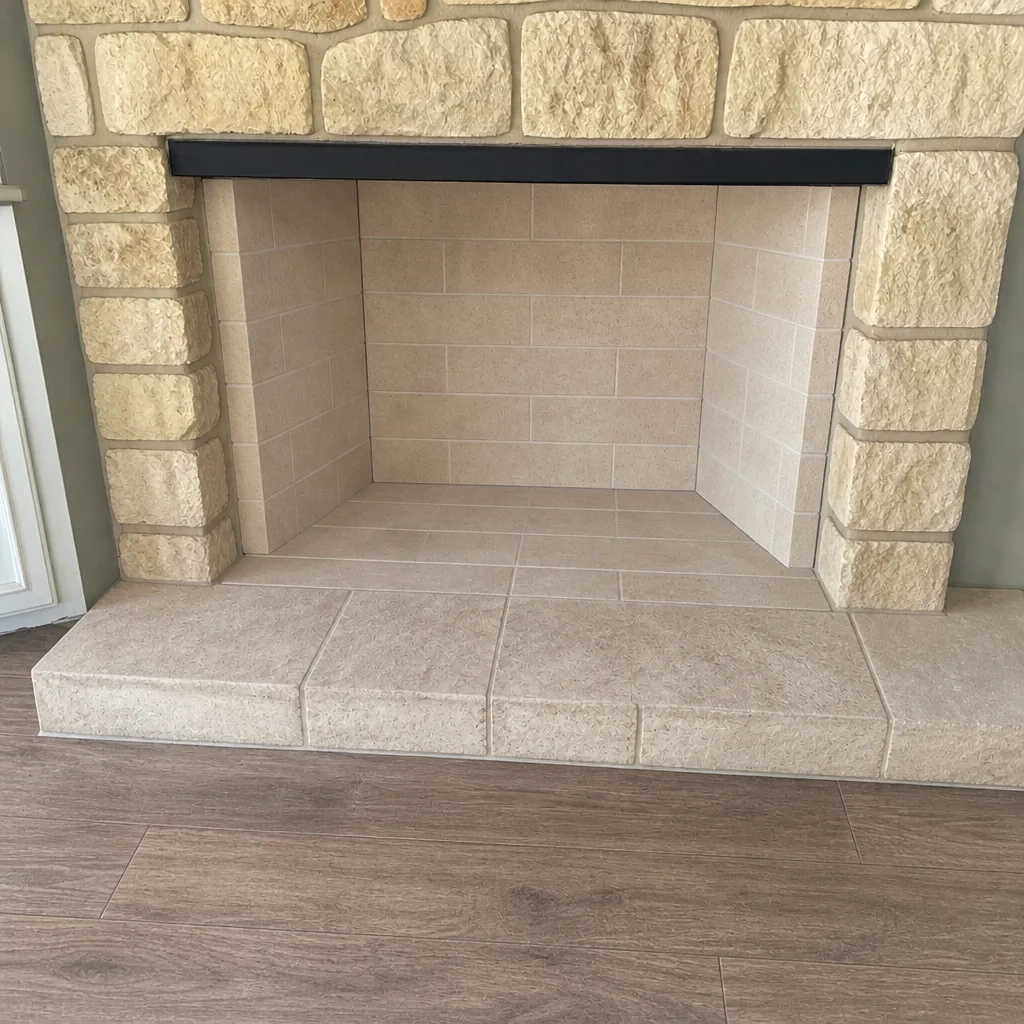 After
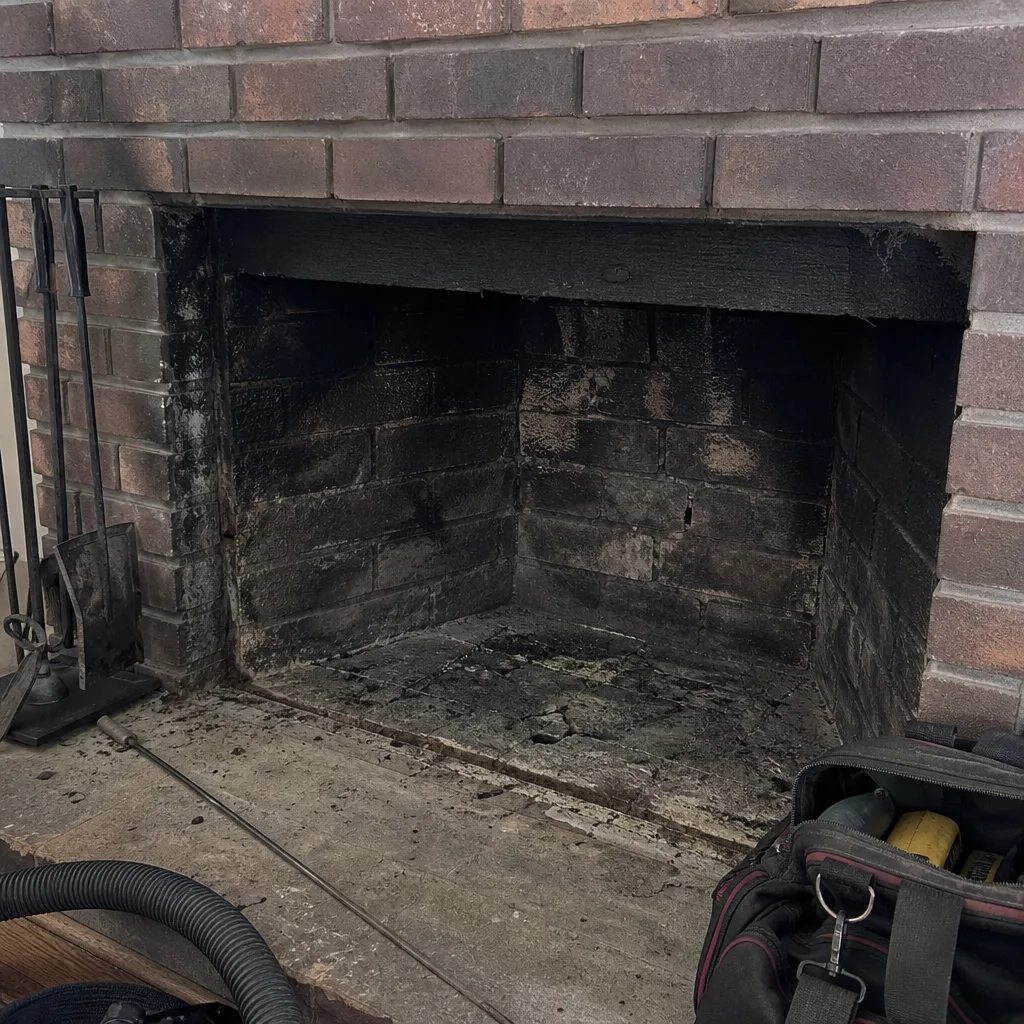 Before
 After
 Before
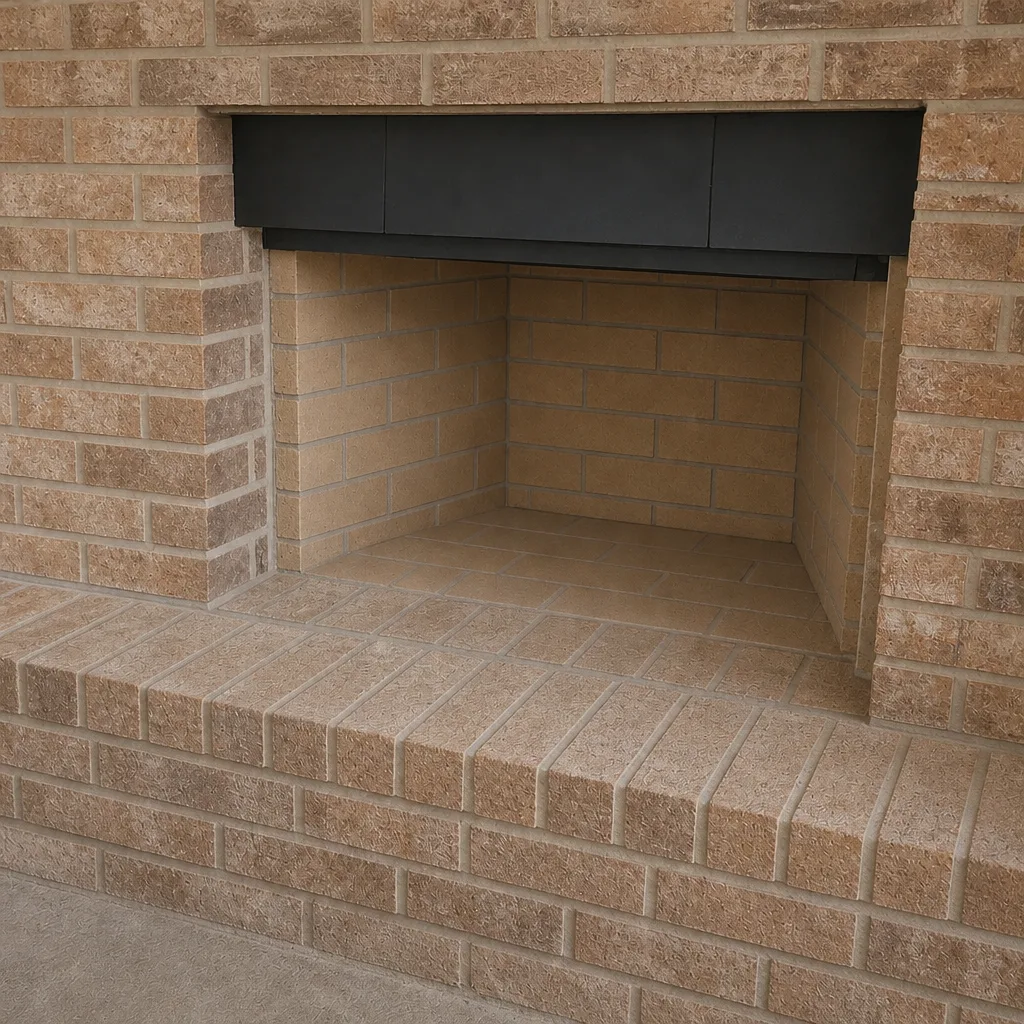 After
What to Expect When You Call
- You book the visit. We answer the phone and confirm the type of chimney and what you’re experiencing.
- We inspect first. The technician scans and inspects from top to bottom before recommending anything.
- We document what we find. You get the scan, the photos, and a written report of the condition.
- We give you a written estimate. The estimate covers the cleaning and any repair the findings call for. You decide, and nothing is added without your approval.
- We do the work to the findings. The repair is tied to what the camera showed, using professional-grade components.
Frequently Asked Questions
It’s priced per job by a free written estimate, not a flat rate quoted unseen. The price depends on the condition of the chimney and whether a standard cleaning or a Level 2 inspection is needed. Call (855) 337-2098 for an exact quote: estimates are free, and you’ll see the scan before you decide.
Once a year for a wood-burning fireplace, and in this climate, annual visits carry extra weight because temperature swings and clay soil movement can create new cracks between seasons. If you notice a strong smell, visible black buildup, or smoke backing into the room, schedule sooner.
Not always. The liner needs replacing only if the scan shows damage that can’t be safely resurfaced. HeatShield resurfacing can restore a deteriorated flue tile in the right conditions, which costs less than a full liner replacement. We show you the scan and let you see the evidence before any recommendation.
Yes. Stage 3 glazed creosote can’t be removed by brushing alone. It needs a chemical treatment that breaks down the glazed layer, followed by mechanical removal. That’s a different job than a routine cleaning and is priced as its own scope.
Creosote keeps building, and the buildup can move from a crusty Stage 2 to a glazed Stage 3, which carries meaningful fire risk. Skipping inspection also means cracks in the liner or crown go unnoticed. If a crown crack lets water in, the damage compounds inside the masonry. The risk climbs the longer the system goes uninspected.
Most annual cleanings include a Level 1 inspection. A Level 2 with a video scan applies when you’re buying a home, changing appliances, or after a storm or chimney fire. A Level 3 applies when concealed areas need direct access. If you’re unsure, ask us when you call.
The Bottom Line
Chimney cleaning works as a diagnostic process. The right visit covers every layer of the system: the cap and crown at the top, the flue liner in the middle, and the smoke chamber and firebox at the bottom. You should leave that visit with documented findings, a written estimate, and a clear picture of what condition the system is in. In Pleasant Grove, where clay soil and temperature swings add extra wear, the yearly visit matters more than a checkbox. Our technicians have up to 10 years of experience, and we use trade-grade components rather than generic substitutes. Call (855) 337-2098. We answer 24/7. Fast dispatch from 7am to 7pm, Sunday through Friday.
Written by the team at Chimney Sweep Pleasant Grove.