
Last updated November 25, 2026
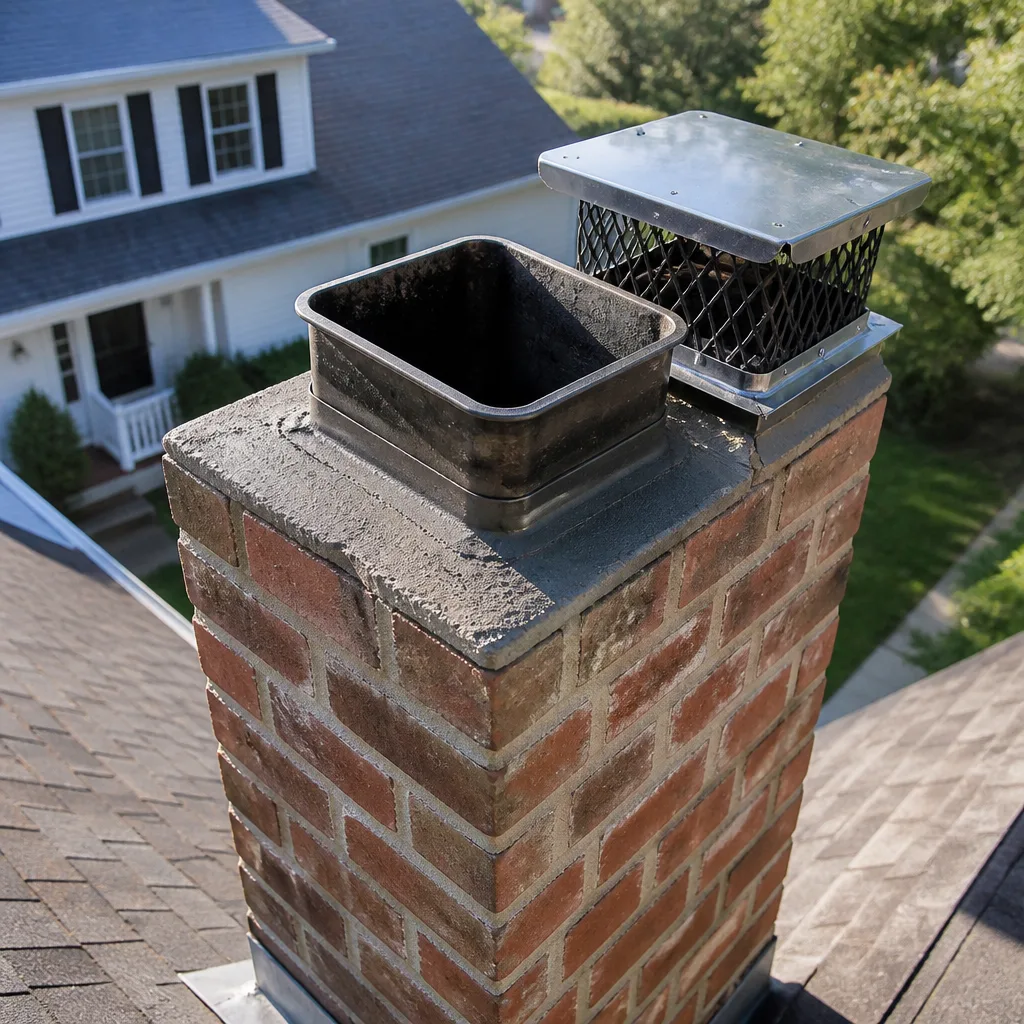 Sweep & inspection
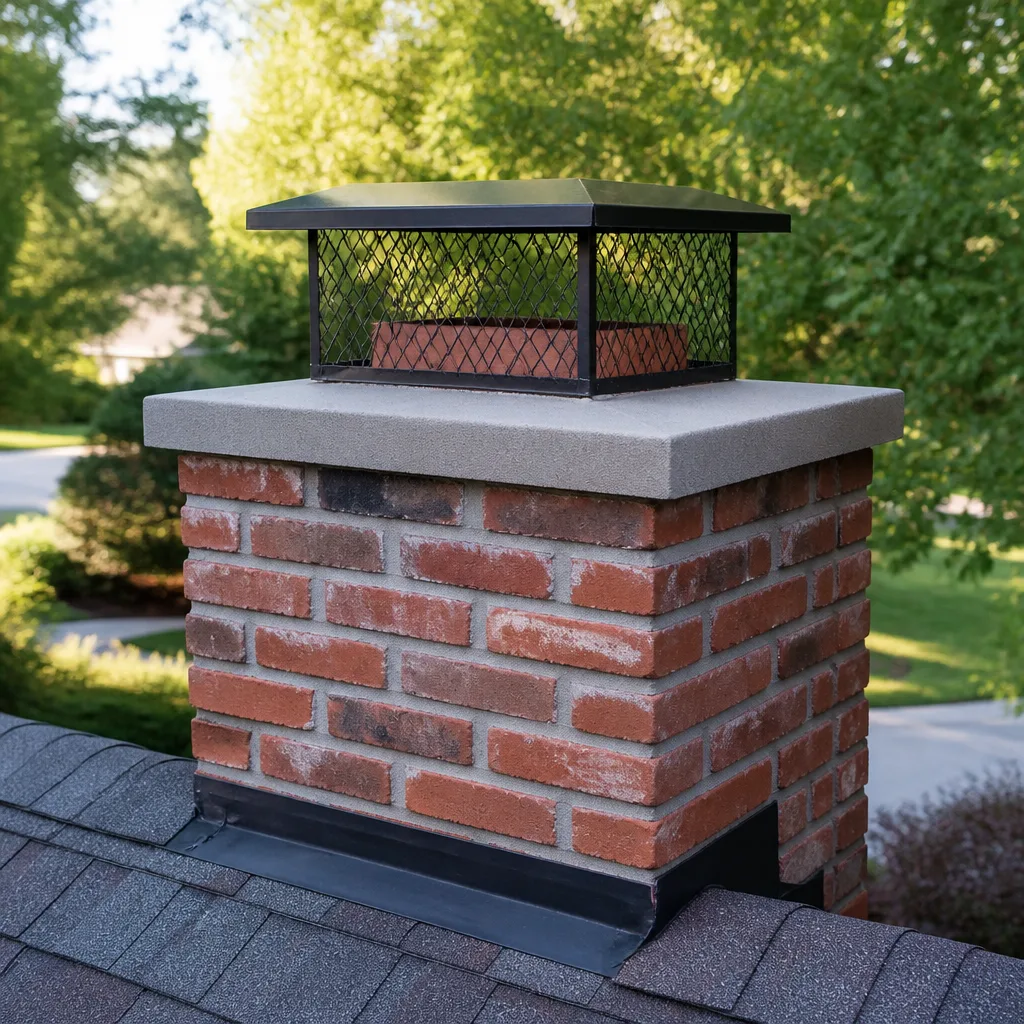 Caps & crowns
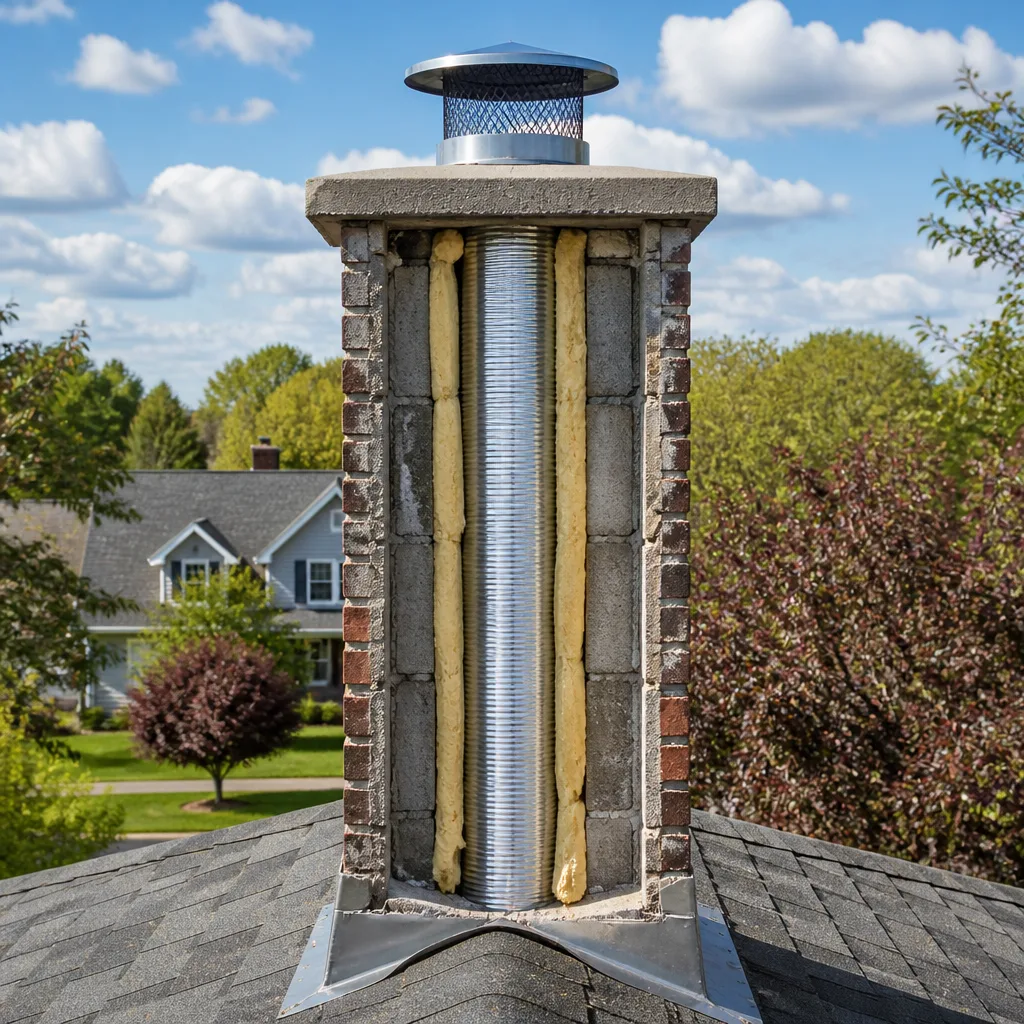 Flue relining
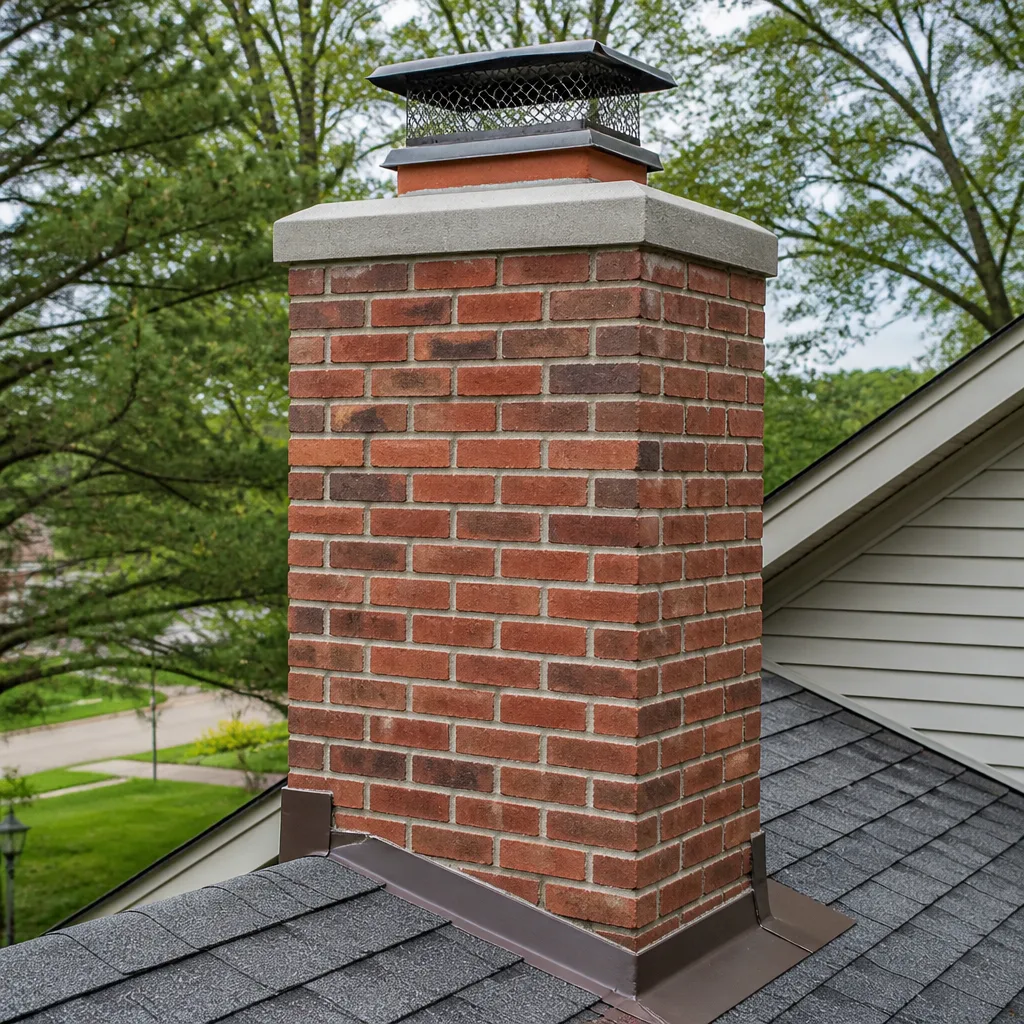 Masonry repair
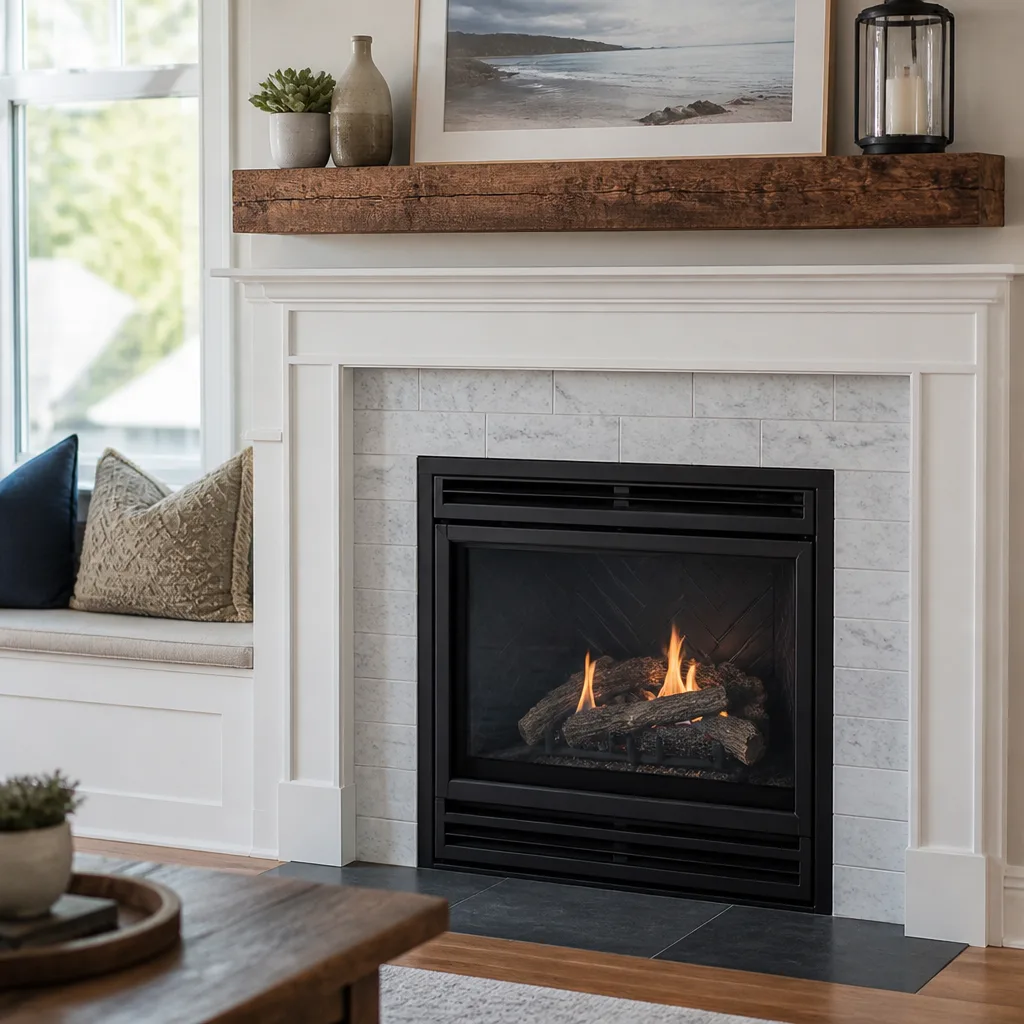 Gas fireplace service
Level 1 sweep and inspection to the NFPA 211 annual standard - flue, crown, cap, and flashing checked and photographed
Chimney sweep logs do not sweep chimneys. They loosen some creosote - which then falls where a brush and vacuum still have to collect it.
How to Hire a Chimney Cleaning Contractor in Pleasant Grove: A Step-by-Step Guide
Most homeowners hire a chimney sweep the way they hire a lawn service: find a listing, compare two prices, pick the lower one. That works fine for grass. Chimneys are different. A Pleasant Grove homeowner searching “chimney sweep near me” will find listings that range from full-system chimney specialists to pressure-washing outfits that added chimney cleaning to their service menu last year, and their quotes may land within a few dollars of each other. The price tells you almost nothing about what you’re buying. This guide walks you through the credentials, the interview questions, the red flags, and the estimate details that separate a full-system professional from someone with a brush and a truck, so you can hire with confidence on the first call.
Quick Answer
To hire a chimney contractor in Pleasant Grove, verify three things before you book: professional certification (CSIA or NFI), documented camera-based inspection tied to the specific work recommended, and trade-grade materials for any liner or repair component rather than hardware-store substitutes. Ask what inspection standard they follow (NFPA 211), what liner brands they install, and what their written estimate lists line by line. If any of those answers are vague, keep calling.
Styles & brands we work with
- Sweep & inspection
- Caps & crowns
- Flue relining
- Masonry repair
- Gas fireplace service
Table of Contents
- Why the Credential Gap in Pleasant Grove Is Hard to See
- What CSIA and NFI Certification Actually Mean
- The Exact Questions to Ask Before You Book
- What a Real Scope-of-Work Estimate Includes (and a $99 Quote Doesn’t)
- The Inspection You Should Expect: NFPA 211 Levels Explained
- Trade-Grade Materials vs. Big-Box Substitutes
- Insurance and Liability: What to Verify and Why
- Red Flags That Should End the Conversation
Why the Credential Gap in Pleasant Grove Is Hard to See
Service listings compress everything a contractor is into a star rating, a photo, and a starting price. That compression flatters the least qualified provider. A certified chimney specialist and a general handyman who recently bought a rotary brush both display “chimney cleaning” in the same bold type. Pleasant Grove has plenty of housing with active wood-burning fireplaces and gas inserts, and the demand for chimney service is steady. Steady demand attracts contractors who want a piece of it without investing in training, inspection equipment, or certified materials.
The gap stays hidden because chimney work looks simple from the outside. From the ground it’s a flue, a firebox, and a cap. From inside the trade, it’s a system: the firebox and damper at the bottom, the smoke chamber and flue in the middle, and the crown and cap at the top. A qualified sweep inspects all three zones. A general handyman cleans the flue visible from the top and leaves. The visible work looks identical. The difference sits in what was checked and what was missed.
There’s a second reason the gap is invisible. The consequences of poor work arrive slowly. A missed hairline crack in flue tile, a gas appliance vent that isn’t drafting correctly, or a crown pulling away from the masonry doesn’t announce itself. It shows up years later as water damage, reduced efficiency, or worse. Nothing about the initial cleaning tells you whether that discovery was, or wasn’t, made.
In our experience, the homeowners who get hurt most are the ones who did everything right by the usual consumer rules. They compared three quotes. They picked the middle one. They trusted the reviews. What they never did was ask what the contractor was certified to do, what camera they used, or which liner brand they’d install if a problem turned up. That’s the entire game in chimney work: credentials and documented findings. The price is downstream of both.
What CSIA and NFI Certification Actually Mean
Two credentials do most of the signaling in this trade, and they cover different parts of the work.
CSIA (Chimney Safety Institute of America) certification is the one that matters for the sweep and inspection side. A CSIA-certified sweep has passed an exam covering the codes and standards that govern chimney construction and maintenance, and has committed to the institute’s code of ethics. The training covers venting, the behavior of different fuel types, the cause of chimney fires, and how to inspect the components most likely to fail. When a contractor is CSIA-certified, it means they’ve been tested on why a liner cracks, not just how to scrub it.
NFI (National Fireplace Institute) certification covers the appliance and system side. NFI credentials are split by fuel type, so a specialist certified for wood-burning appliances has been tested on wood fireplaces and inserts, their venting, and their requirements, which is different from the gas and pellet side. For a homeowner with a wood-burning fireplace in Pleasant Grove, an NFI wood-certified specialist is the one whose training matches the system.
Why does this matter for the work itself? Liner and smoke chamber jobs are where certification shows. Relining a flue requires matching the liner size to the appliance’s venting needs, so the flue drafts correctly and stays within the temperature the liner is rated for. The smoke chamber, the sloped shelf above the firebox, is one of the most missed parts of a chimney. It’s where creosote builds up unevenly and where poor fluid dynamics cost you heat. A contractor who’s never been tested on either area will clean the flue and move on.
Certification isn’t the only thing worth checking. Ask what the contractor actually carries on the project. Trade-grade components, the kind certified professionals install, come from brands like DuraFlex for flexible liner systems and HeatShield for flue resurfacing. If those names don’t appear in the contractor’s vocabulary at all, that’s a signal worth noting before the estimate conversation begins.
The Exact Questions to Ask Before You Book
The interview is the cheapest filter you have. Six questions, asked on the phone before anyone comes out, will tell you more than a year of reviews.
- “What camera equipment do you use for the liner inspection, and will I see the footage?” A video-capable sweep can show you a crack in flue tile, a gap in a joint, or heavy glazing on the flue wall. A sweep without a camera can only describe it. Ask if you’ll be shown the footage or a photo report. If the answer is no, ask why not.
- “What liner brands do you install?” You’re listening for trade-grade names like DuraFlex or Olympia Chimney, not “whatever’s at the hardware store.” The brand tells you the contractor sources components designed and tested for chimney service, not general-purpose sheet metal.
- “Which NFPA 211 inspection level will you perform, and what does your report include?” NFPA 211 is the standard that governs chimney inspection, and the levels describe how much of the system is examined. If the contractor can’t name the level or the report contents, you’re talking to a cleaner, not an inspector.
- “Can you resurface a flue rather than relining the whole thing?” HeatShield application lets a certified contractor resurface deteriorating flue tile without a full liner replacement in cases that qualify. A contractor who only offers full replacement has one tool. One who can offer resurfacing or replacement has the right tool for each job.
- “Are you insured for both general liability and workers’ compensation?” Ask for the certificate. You want both, and you want to see the coverage before the contractor steps on your roof.
- “Will you give me a written scope of work?” A real estimate lists every component in the system, itemizes each recommended repair, and ties it to what was found. A number scrawled on a business card isn’t an estimate.
Ask these before anyone comes out. A qualified contractor answers all six without hesitation. A contractor who gets defensive at question two or three has just saved you a deposit. Pleasant Grove homeowners have plenty of choices on the service listing. The point of the phone call is to sort them faster than the listing does.
What a Real Scope-of-Work Estimate Includes (and a $99 Quote Doesn’t)
A written scope-of-work estimate is the single most useful document in this whole process, and it’s the thing most homeowners never actually see. Here’s what it should contain:
- The inspection level performed and the components examined, named individually: firebox, damper, smoke chamber, flue, crown, cap.
- The findings, itemized. Each finding on its own line (“flue tile joint separated at 16 inches from the top”) rather than lumped into “chimney needs repair.”
- The specific repair or component recommended for each finding, with the product named where applicable (DuraFlex liner for relining, Gelco cap for a missing or damaged cap, HeatShield for flue resurfacing).
- The scope of the repair work, described plainly: what gets removed, what gets installed, what gets sealed.
- A line for what was found and does NOT need work yet, with a note on when to revisit it. If everything on the report needs immediate repair, ask why.
- The written price for the work, and a statement that the written estimate sets the final price.
Now consider the alternative: “Chimney cleaning – $X.” That quote tells you nothing. It doesn’t name the inspection level. It doesn’t mention whether the flue was checked for cracks or the crown for separation. It doesn’t say what happens if something gets found. It’s a price for a task, not a scope for a system, and it’s the tell that you’re dealing with a cleaner, not a chimney specialist.
A scope-of-work estimate is also your insurance against surprise costs. The written estimate sets the price. You know before the work starts what’s included, what’s excluded, and what the total is. If someone hands you a verbal number at the door and the invoice later grows, that’s not a contractor you want back next season.
One more consideration in Pleasant Grove: the range of housing and appliance types means a quote for a neighbor’s setup may not match yours. A masonry fireplace with an open hearth and an insert’s factory-built flue are different systems. A written estimate should reflect the system in your home, not the one in the brochure.
The Inspection You Should Expect: NFPA 211 Levels Explained
NFPA 211 is the standard that governs chimney construction, maintenance, and inspection. It describes three inspection levels, and knowing which level you’re buying is a big part of getting the right service.
- Level 1 covers readily accessible components of the chimney and venting, without tools that damage the structure. It’s the standard inspection for an annual sweep when nothing in the system has changed.
- Level 2 is a more thorough inspection, including accessible parts of the venting system that a Level 1 doesn’t cover. It’s appropriate when a system changes, such as a new appliance installation, a change of fuel type, or a property sale. It’s also the level you want if any hint of a problem is present.
- Level 3 is the most thorough and may involve opening walls or otherwise exposing concealed areas. It’s performed when the findings at lower levels point to a problem in an inaccessible part of the system.
Here’s the point most sweep listings skip. A camera inspection should be part of the picture on every service, not only when something feels wrong. The camera is what makes a finding visible to you. “The flue looks okay from the top” is a description. A video of the flue interior, with a pointer at the joint that’s separating, is documented evidence.
In our experience, this is where the credential gap starts costing real money. A sweep who skips the camera miss the liner crack until it becomes a liner replacement or, worse, until it becomes a hazard. A sweep who does the camera inspection and writes down what’s found, in plain terms, gives you the option to fix a small problem before it grows. We document what we find. If a problem can wait, we say so, and we say what to watch for in the meantime.
The inspection-first approach connects findings directly to the specific repair or component that addresses them. Crown separation at the top connects to crown repair. Damaged cap connects to a cap replacement. Glazed flue tile with no cracking connects to a sweep and a note, not a liner quote. That chain, from finding to component, is what a full-system specialist delivers.
Trade-Grade Materials vs. Big-Box Substitutes
The invisible decision in any estimate is the material source. Two contractors can quote “new chimney cap” and install two very different things. Trade-grade chimney components come from brands that test and manufacture specifically for chimney systems: DuraFlex for flexible liner systems, Olympia Chimney for caps and related components, HeatShield for flue resurfacing, Gelco for caps, and others in the same tier. The hardware-store substitutes are the same shape and often a similar color. They’re not built to the same standard.
Consider the liner specifically, since that’s the biggest material decision in most chimney work. A relined flue carries hot combustion gases at temperatures and exposures a general sheet-metal product isn’t designed for. A DuraFlex flexible liner system, by contrast, is manufactured for that purpose and designed to be installed as a complete system with the fittings and termination components that go with it. The difference in the quote may be modest. The difference in how the liner performs over a decade of use is not.
For flue repairs specifically, HeatShield is the other material worth knowing. HeatShield resurfacing lets a certified contractor repair the inside of a deteriorating flue in cases where the tile is still structurally sound but the joints or surfaces are failing. That’s often a smaller job than full relining, and it can solve a real problem when the structure underneath allows it. A contractor who only installs liners offers one solution. A contractor who can apply HeatShield as well offers the right solution in more cases.
At the top of the chimney, chimney cap & crown work addresses the most common source of water-driven masonry deterioration. Rain enters at the crown joint and at a missing cap gap, then finds its way into the masonry. Trade-grade caps from the same professional brands fit the flue properly and shed water correctly. A generic cap from the hardware store gets close and often doesn’t close. When you’re interviewing a contractor in Pleasant Grove, ask what brand they’d install for a cap. The answer is a useful filter.
Insurance and Liability: What to Verify and Why
Ask for two certificates, not one. A chimney contractor should carry general liability insurance, which covers damage to your property and to third parties, and workers’ compensation, which covers the workers doing the job. The two are not interchangeable, and a contractor can have one without the other.
Why both matter on a chimney job specifically: the work happens on your roof and inside your home, often with ladders, cameras, and tools. Roof work carries fall risk. General liability covers damage to your roof, siding, and interior if something goes wrong. Workers’ compensation covers the person on your roof if they’re injured, which protects you from a claim. A contractor with one but not the other is exposed, and so are you.
Here’s the scenario where coverage matters most. Say an uncredentialed sweep performs a cleaning and misses a liner failure. No camera inspection, no report, no follow-up. The liner deteriorates over the next heating season. If a creosote-fed chimney fire damages the chimney structure, or worse, if gases reach combustible materials, the missed liner failure becomes a fire investigation. And the question becomes whether the sweep was insured, licensed as required, and certified to have found what a trained inspector should have found. If the answer on any front is no, the homeowner can end up holding the loss.
This is why the certification and the insurance questions go together. Certified training is what makes a liner failure findable. Documented inspection is what makes it visible to you. Insurance is what stands behind the work if something goes wrong anyway. Ask for both certificates before work begins, and don’t accept a verbal “we’re covered.” In Pleasant Grove, a written certificate is normal and quick, and a legitimate contractor will provide one without fuss.
Red Flags That Should End the Conversation
Some signals are subtle. These aren’t. If any of them shows up on a call or at the door, you’re talking to the wrong contractor.
- Quotes given without an on-site inspection. Chimney work can’t be priced over the phone or from a photo of the exterior. If a “sweep” quotes a cleaning or repair number before anyone has looked at your system, the number is a guess or a sales tactic.
- No mention of liner condition. A liner is the component most likely to fail and the one with the highest stakes. If the estimate talks only about sweeping and never about the flue liner, the contractor isn’t inspecting at the level you need.
- Hardware-store materials. A contractor who names no liner or cap brand, or who mentions generic sheet metal, is probably sourcing from the hardware store. Trade-grade brands like DuraFlex or Olympia Chimney should come up naturally in the estimate conversation.
- “Chimney cleaning – $X” as the whole estimate. No scope, no inspection level, no findings, no line items. This is the estimate of a cleaner, not an inspector.
- Pressure to decide today. A full-system specialist documents findings and puts them in writing. There’s no scheduling emergency. If a contractor insists the work must be booked now, ask for the report and take time to read it.
- Only one kind of solution. If a contractor only offers a full reline regardless of the flue’s condition, they may be overselling, or they may simply lack the tools to do less. HeatShield resurfacing and DuraFlex relining are two different answers to two different conditions, and a specialist should be able to explain the choice.
- No camera. A sweep without a video or photo capability can’t show you what was found. You’ll be asked to trust a description. That’s not a documented inspection.
Common Mistakes to Avoid
- Hiring on price alone. Pleasant Grove has a wide range of quotes for what sounds like the same cleaning, but they don’t cover the same work. Two quotes that look similar may differ entirely in whether the smoke chamber was brushed or the flue was camera-inspected. Compare scopes, then compare prices.
- Not asking about the inspection standard. Many homeowners book a sweep without knowing what level of NFPA 211 inspection they’re getting, or whether they’re getting one at all. Ask the level before booking, and ask for a written report.
- Treating a cleaning as an inspection. A sweep brushes the flue. An inspection examines the system and documents findings. They’re related but not the same, and skipping the documentation is how liner problems go unfound.
- Skipping the insurance check. A contractor who isn’t insured for general liability and workers’ compensation leaves you exposed if something goes wrong on your property. Ask for certificates and read them.
- Letting a hardware-store cap sit on the flue. A generic cap may appear to fit but let water in at the gap. Trade-grade caps from professional brands fit the flue to the terminal and shed water correctly. If the cap was installed by the last contractor as a “small fix,” look closely.
- Ignoring the crown and the cap until a leak shows up. Water damage from a failing crown or missing cap starts quietly and becomes structural. Schedule the crown and cap inspection alongside the sweep, not after the interior stain shows up.
- Accepting a one-solution contractor. If relining is the only tool the contractor offers, flue resurfacing with HeatShield, or a smaller targeted repair, may never get considered. A full-system specialist gives you options tied to findings, not a single standard answer.
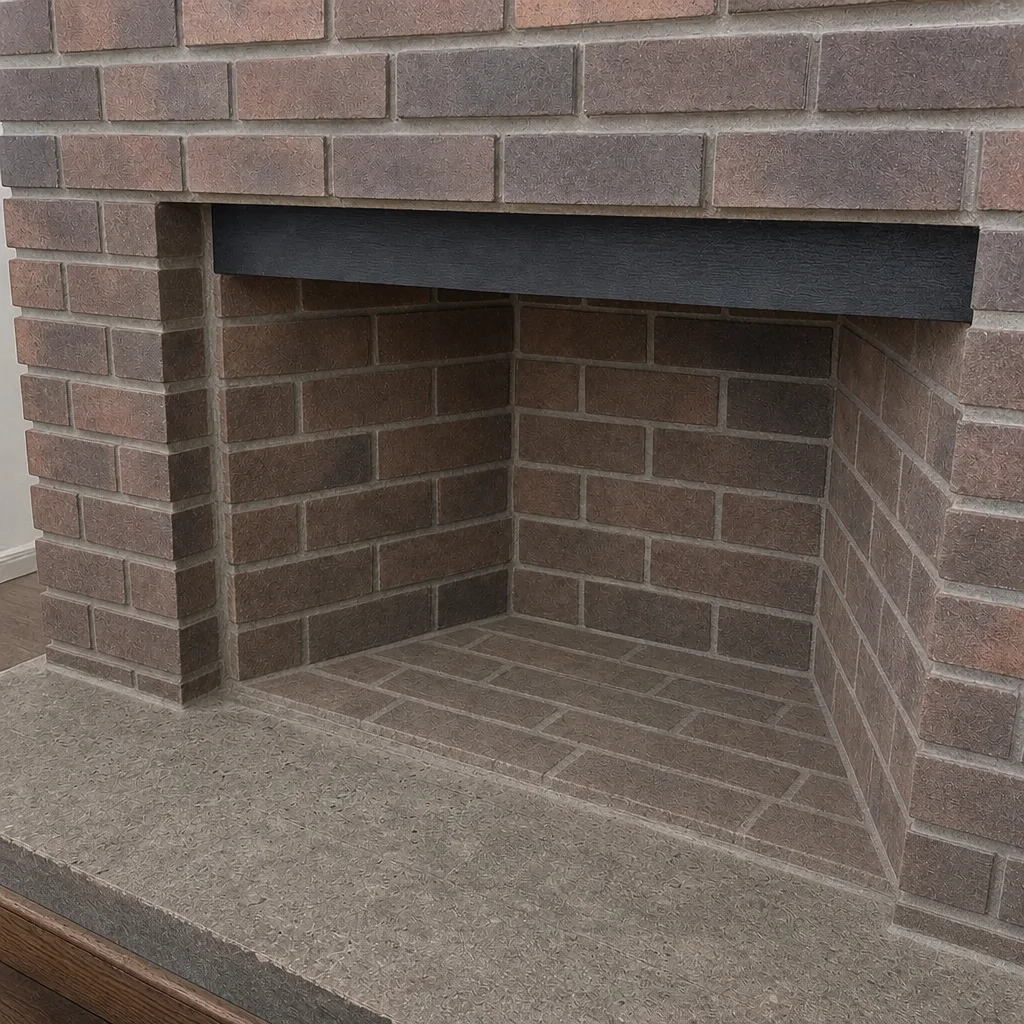
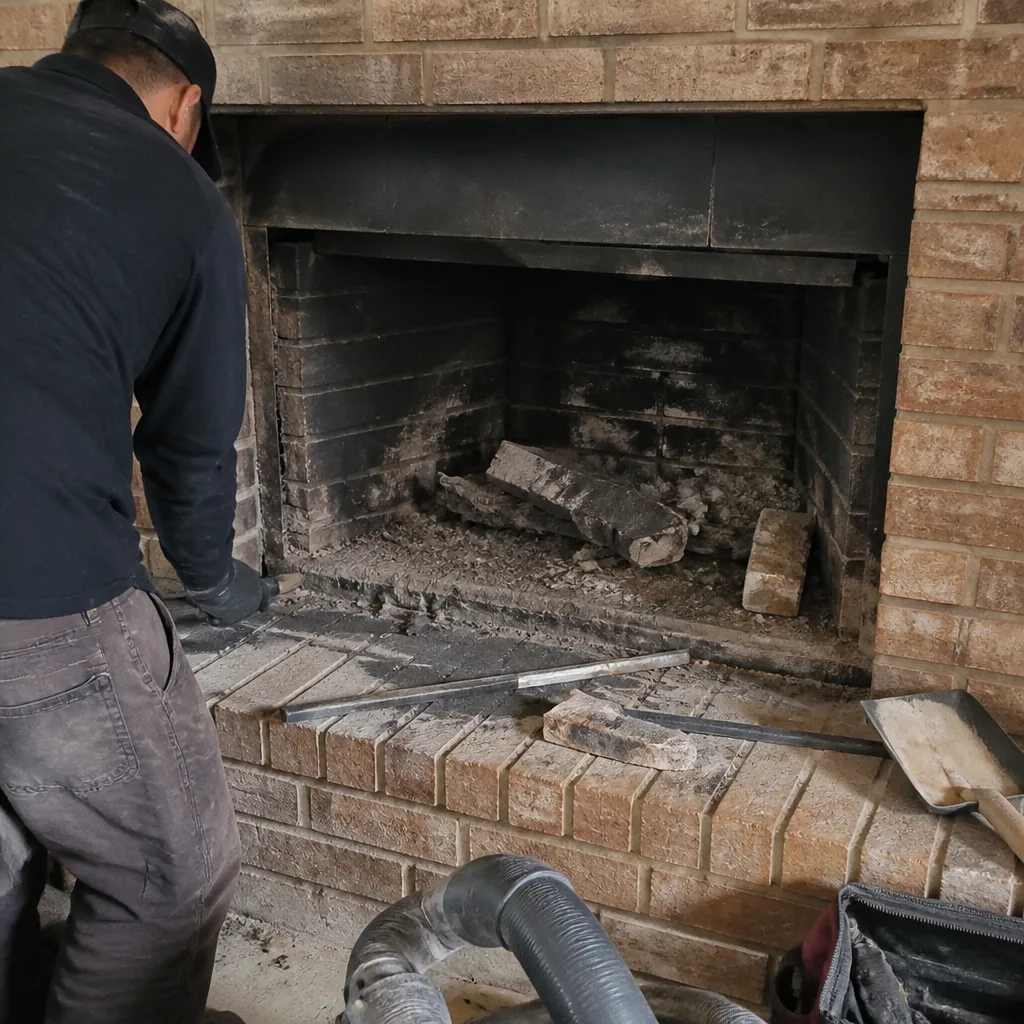
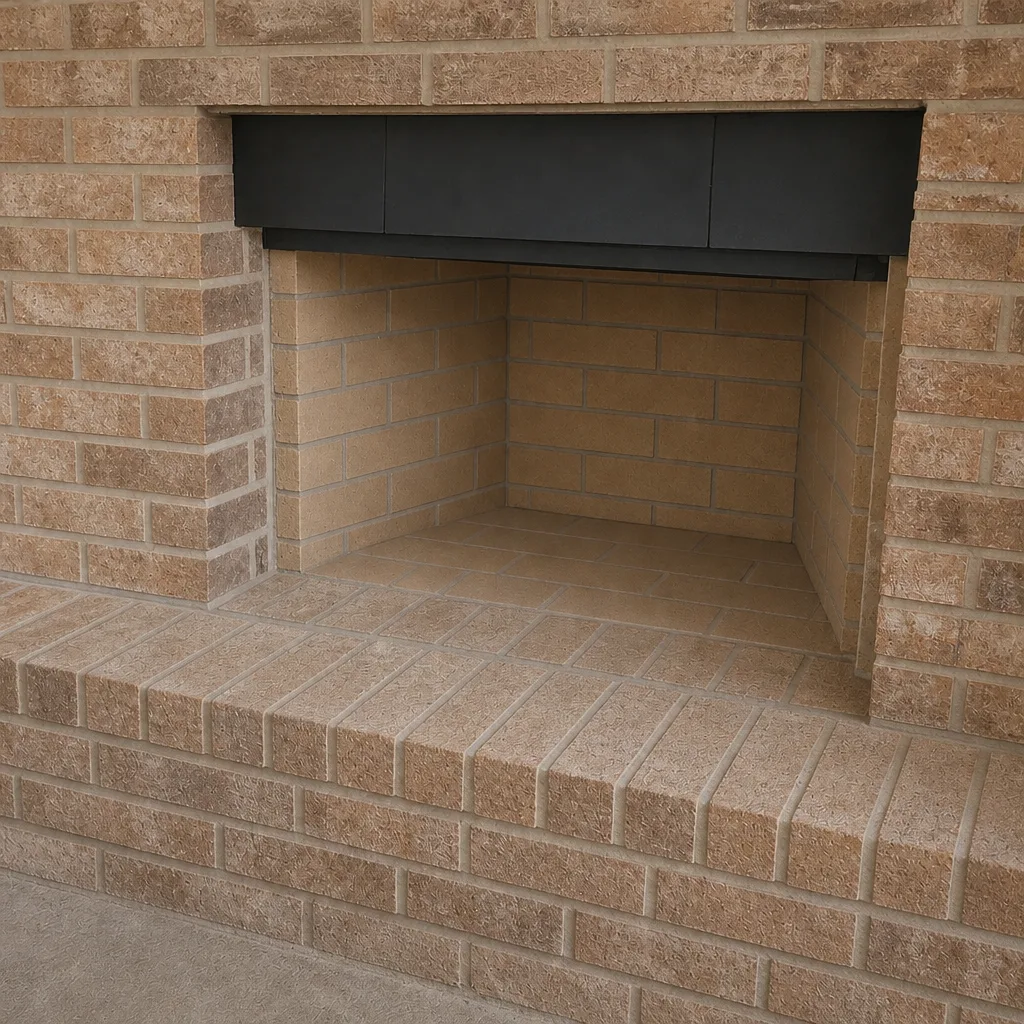
See the difference
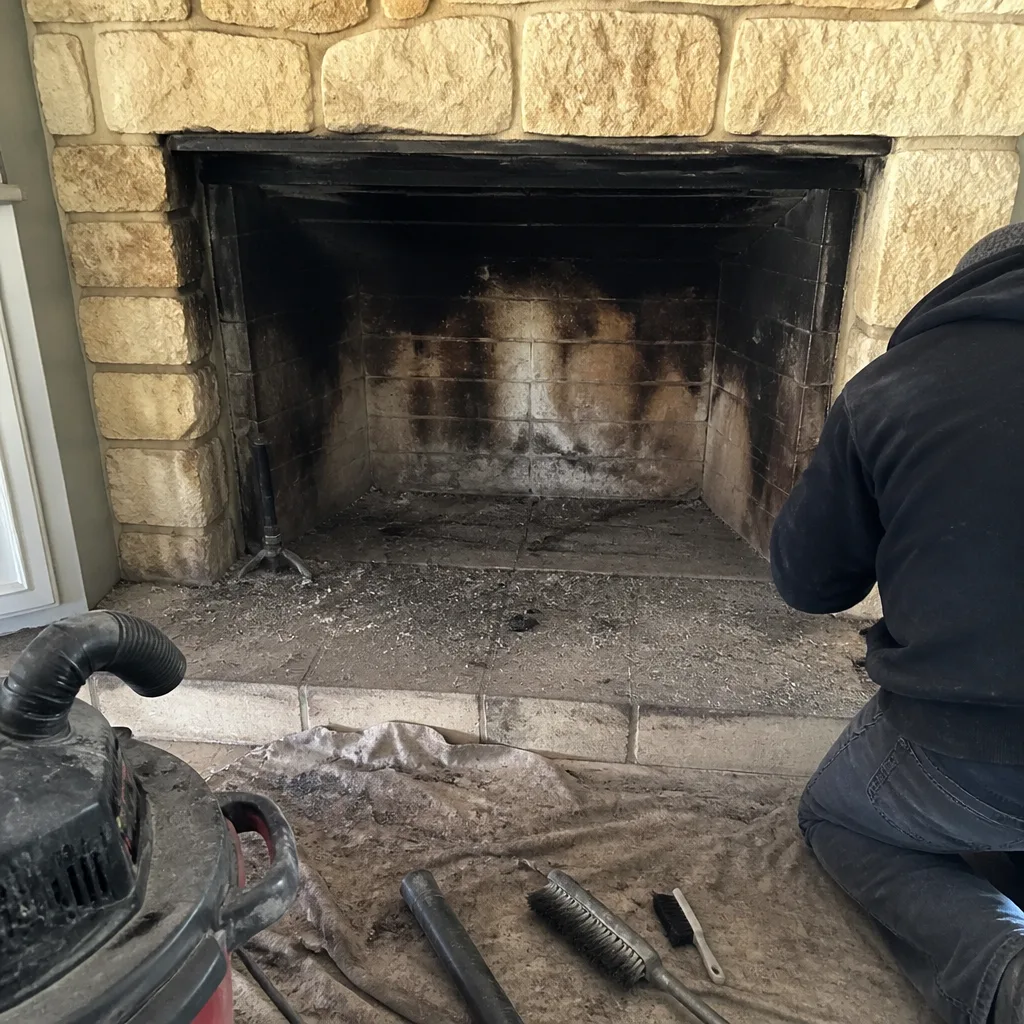 Before
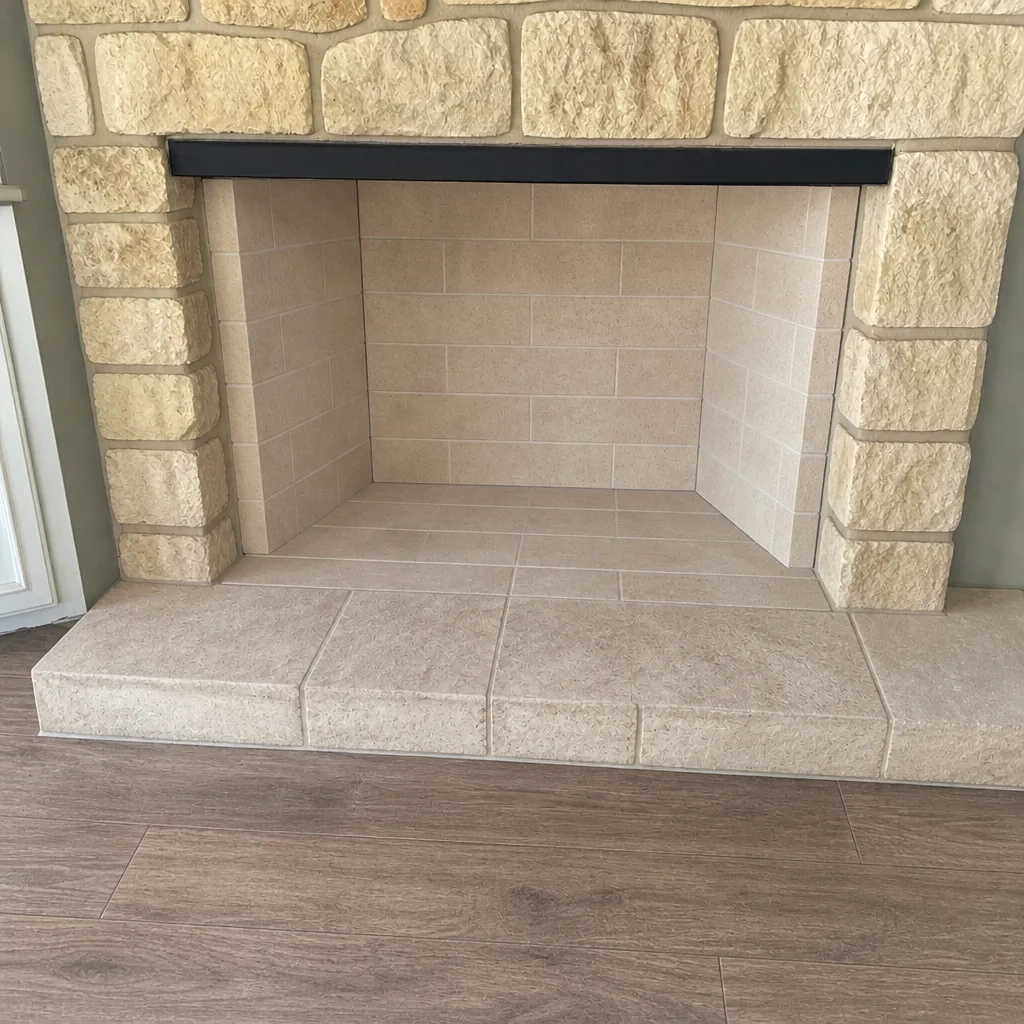 After
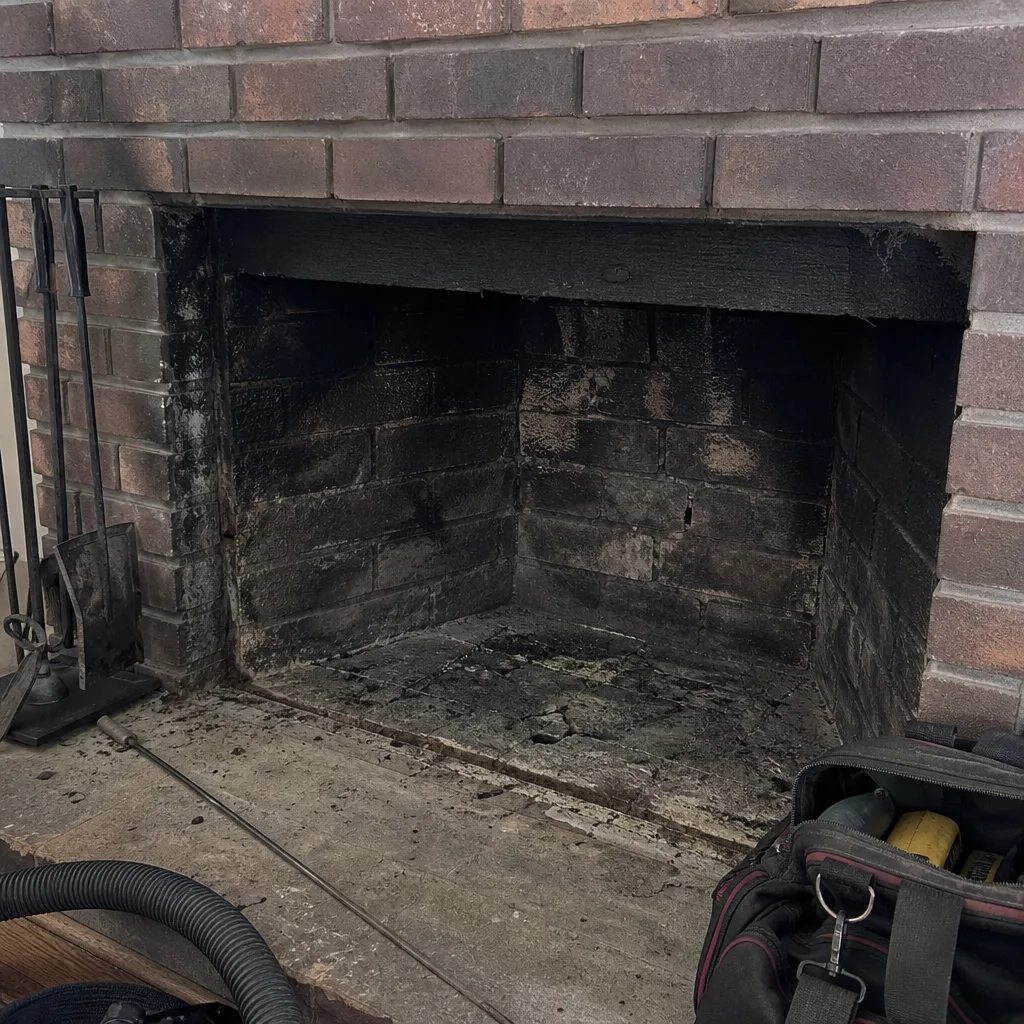 Before
 After
 Before
 After
When to Call a Professional
Some chimney work is a question of timing. Some is a question of urgency. Call a professional if you haven’t had the system inspected in a year or more of burning, if you notice a strong smoky smell in the house when the fireplace isn’t in use, if the chimney shows staining or crumbling on the exterior, or if you spot separation between the crown and the masonry top. Call if a gas appliance vents into the chimney and hasn’t been checked. Call if the damper sticks or the firebox shows cracks. Call if a previous contractor’s work has never been documented, or if you’ve moved into a Pleasant Grove home and don’t know the last time the flue was inspected.
Chimney Sweep Pleasant Grove offers free estimates in Pleasant Grove. Call (855) 337-2098. We answer 24/7. Fast dispatch from 7am to 7pm, Sunday through Friday. Our technicians have up to 10 years of experience, and we stock and work with six professional-grade chimney brands so the repair recommendation and the component installed match the finding. For a broader walkthrough of the sweep itself, our Chimney Sweep Pleasant Grove page covers what happens during the service, and our chimney sweep guide breaks down timing and frequency.
Frequently Asked Questions
A standard chimney sweep typically falls in the range quoted for the specific job after inspection, and the price is set by the written estimate. The exact figure depends on the appliance type, the condition of the flue, and whether crown or cap work is included. A quote given before anyone sees the system is a guess, not an estimate. Call (855) 337-2098 for an exact quote – estimates are free.
You need a new liner if the camera inspection shows the flue lining is cracked, missing sections, or otherwise unable to contain the combustion gases safely. If the tile is intact but the surfaces are deteriorating, HeatShield resurfacing may be the correct, smaller repair instead of a full reline. Nothing should be recommended without documented camera evidence you can review. If a contractor can’t show you the finding, ask why before agreeing to the work. Call (855) 337-2098 for an estimate.
The common guidance is once per year during the heating season, and annually for any chimney serving a wood-burning appliance. Gas appliances also need periodic inspection. A home with heavy wood use may need more frequent sweeping based on the buildup found at inspection, which is why the documented findings matter more than a calendar rule. Call (855) 337-2098 to book an inspection and get a clear recommendation.
Creosote builds up on the flue walls, and heavy creosote is what feeds a chimney fire. Separately, an uninspected system can hide a liner crack or a venting problem that lets combustion gases, including carbon monoxide, reach the living space. Neither issue announces itself before it becomes a problem. The sweep is the low-cost way to catch both early. Call (855) 337-2098 for an estimate on a full-system inspection.
Hire a certified chimney specialist for anything involving the flue liner, smoke chamber, or venting. A CSIA-certified sweep has been tested on the codes and failure modes that govern those parts, and an NFI-certified specialist brings appliance-specific training. A general handyman may clean the accessible flue, but the invisible work, the inspection and documentation, is what a certified specialist provides. Call (855) 337-2098 if you’d like to talk through the inspection scope for your home.
A written estimate should list the inspection level performed, each component examined, the findings line by line, the specific repair or product recommended for each finding, and the price with a statement that the written estimate sets the final price. Anything less, like a single line reading “chimney cleaning,” tells you the contractor didn’t inspect and didn’t document. Call (855) 337-2098 for a free estimate built around a written scope, or see our fireplace repair page for the appliance side of the system.
The Bottom Line
Hiring a chimney contractor in Pleasant Grove comes down to three verifiable things: certification, documented inspection, and material quality. Verify CSIA or NFI credentials, ask for the NFPA 211 inspection level and a camera-based report, and confirm the contractor installs trade-grade brands like DuraFlex, Olympia Chimney, or HeatShield rather than hardware-store substitutes. Ask for general liability and workers’ compensation certificates before work begins. Read the written scope of work, not just the price. When you’ve done those things, you’ll know the system was inspected correctly and that what gets installed is what the chimney needs. Chimney Sweep Pleasant Grove performs five core services across the full system, from firebox to cap and crown. Call (855) 337-2098 for a free estimate. We answer 24/7. Fast dispatch from 7am to 7pm, Sunday through Friday.
Written by the team at Chimney Sweep Pleasant Grove.