
Last updated November 25, 2026
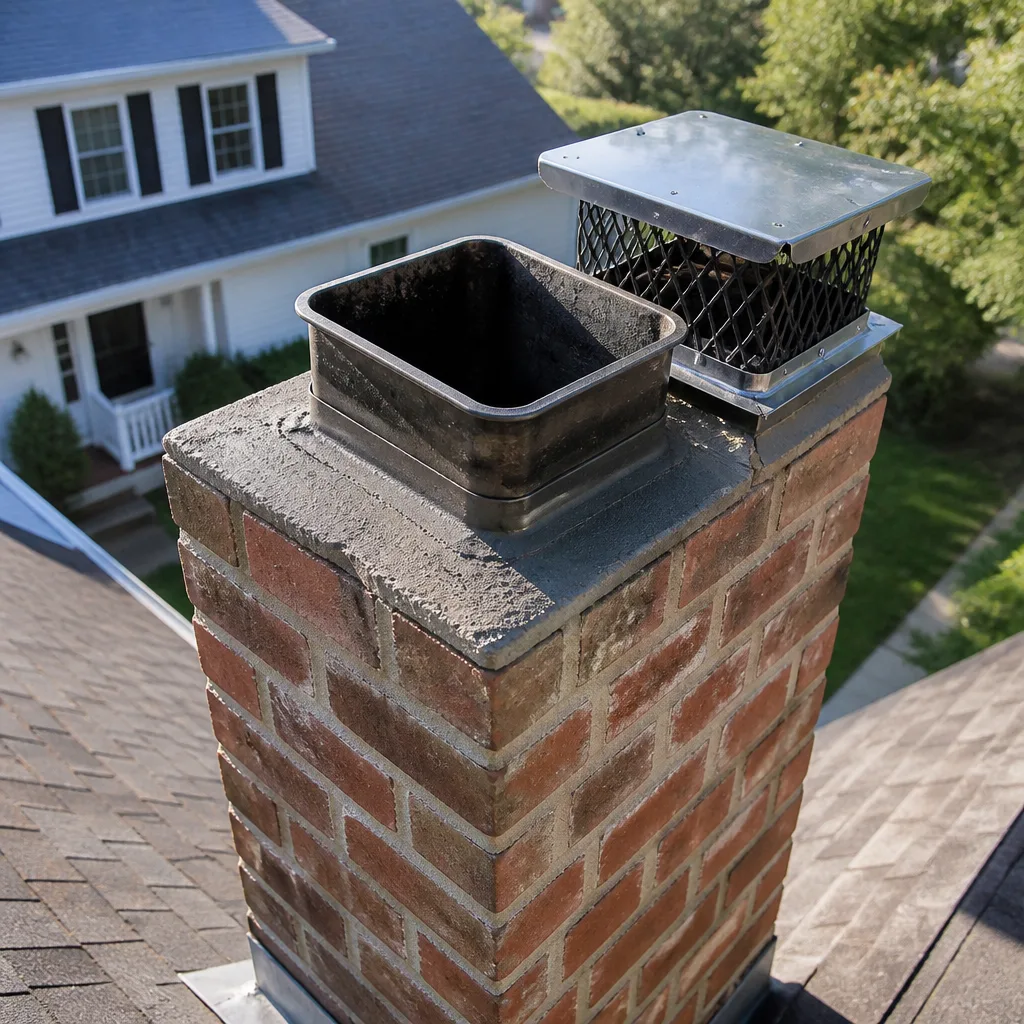 Sweep & inspection
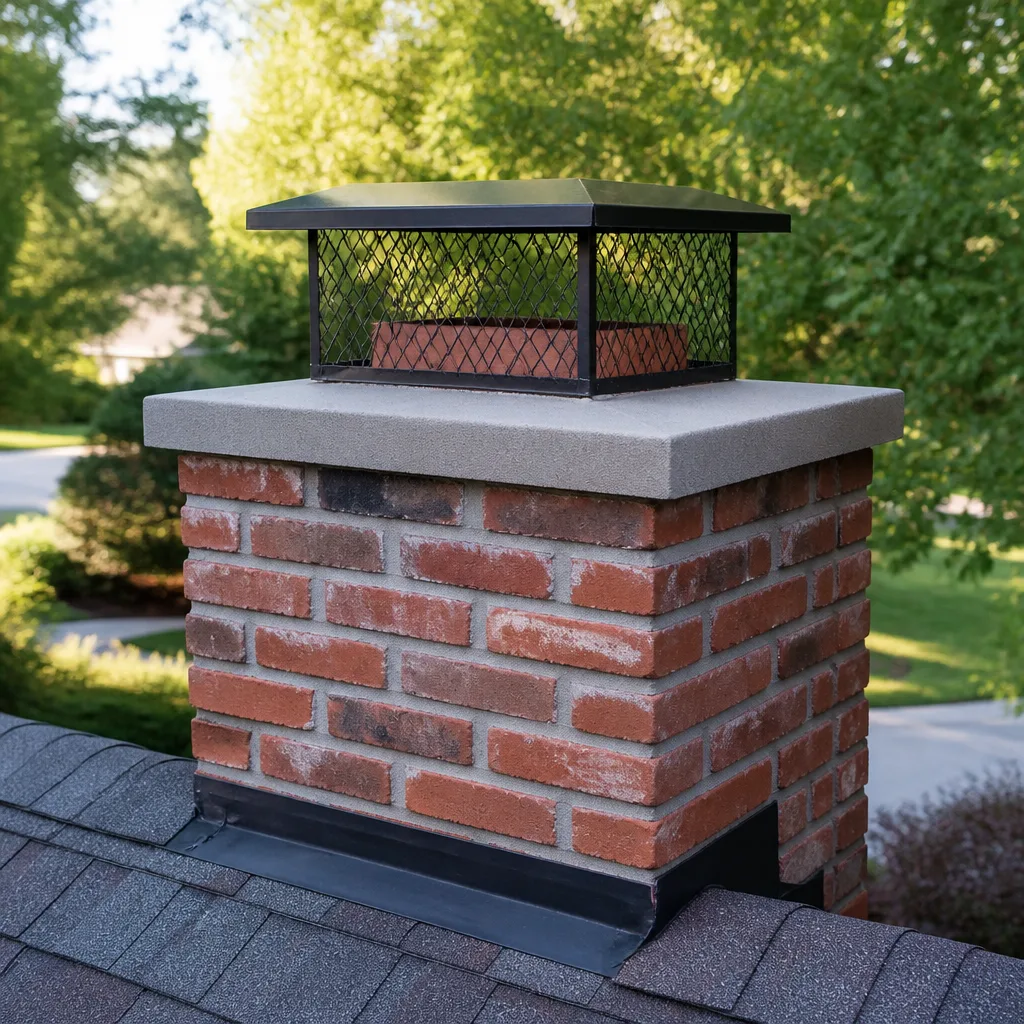 Caps & crowns
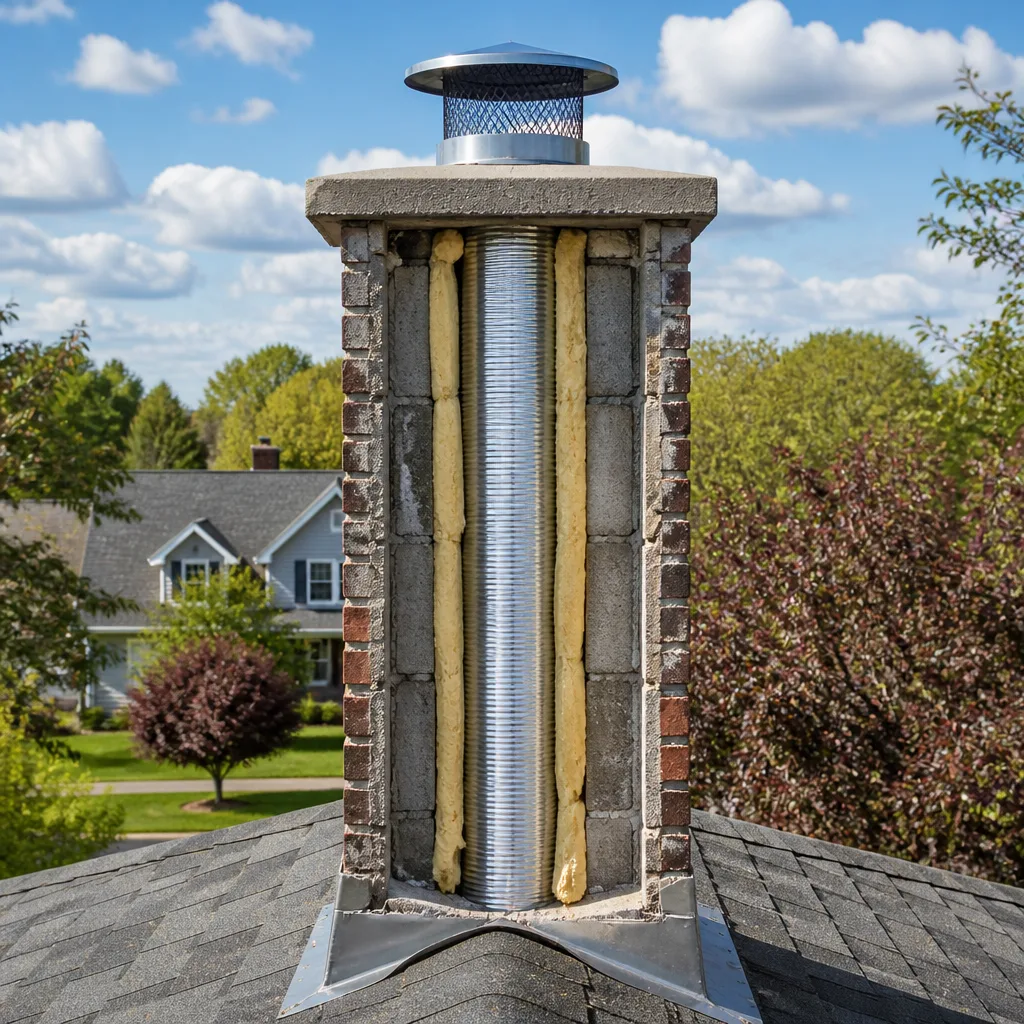 Flue relining
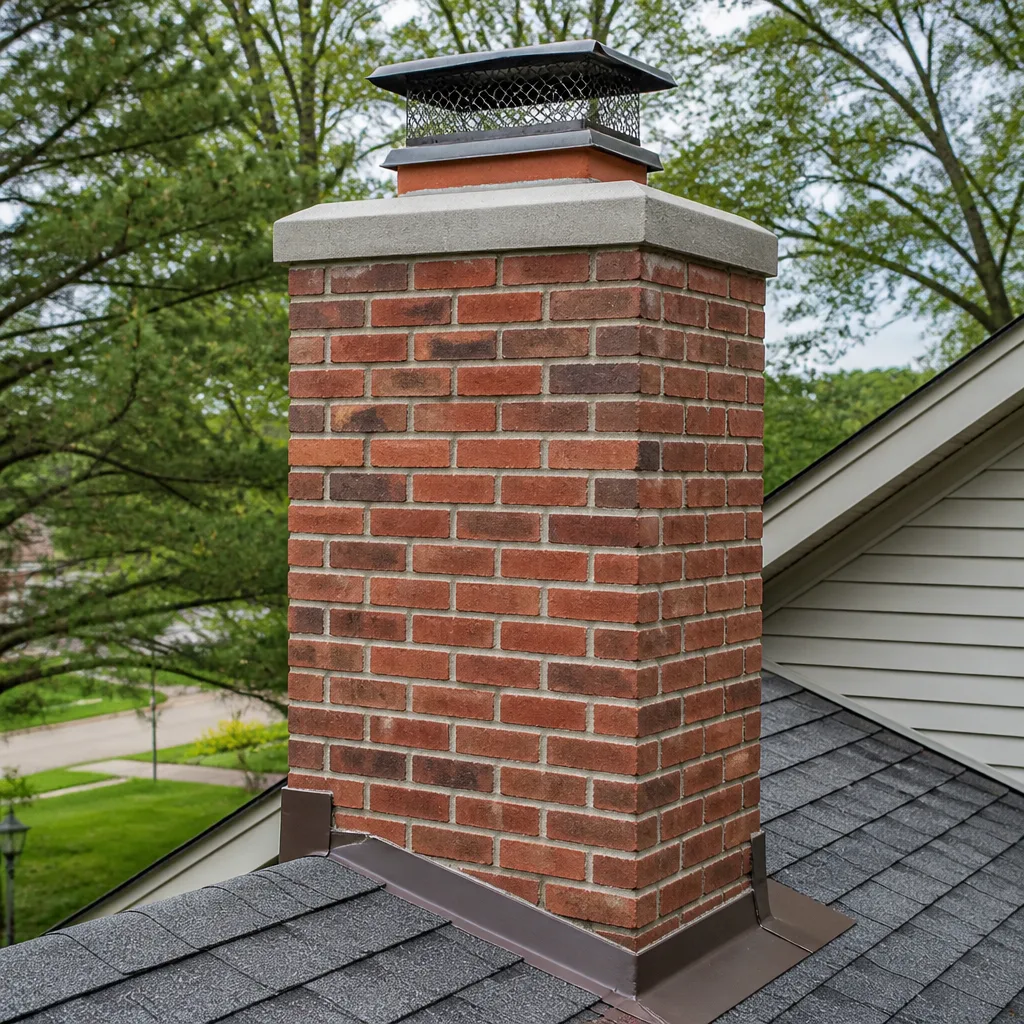 Masonry repair
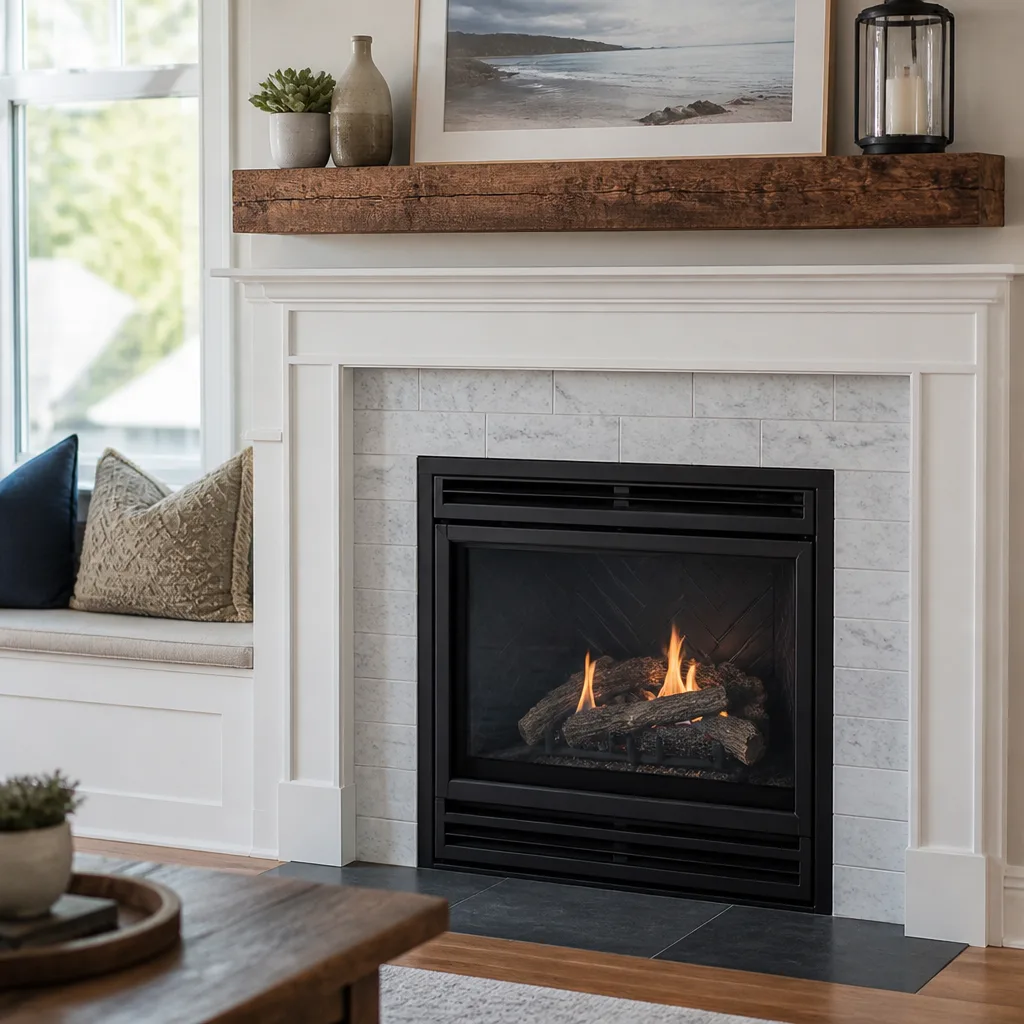 Gas fireplace service
Level 1 sweep and inspection to the NFPA 211 annual standard - flue, crown, cap, and flashing checked and photographed
Chimney sweep logs do not sweep chimneys. They loosen some creosote - which then falls where a brush and vacuum still have to collect it.
Seasonal Chimney Cleaning Care for Pleasant Grove: Year-Round Homeowner’s Guide
Most chimney advice you’ll find online was written for Minnesota, not North Texas. That matters more than it sounds. In Pleasant Grove, the furnace-and-fireplace season is short, but the damage window is long. Our summers push rooftop surfaces hard, our spring storms arrive with hail that lands on crowns and caps, and the months when nobody thinks about the chimney are exactly the months when moisture and pests move in. This guide lays out a four-season schedule built for the weather Pleasant Grove actually gets, not the weather a national article assumes. You’ll learn what to check yourself, what to leave to a sweep, and how to spot trouble before it costs you a liner.
Quick Answer
Chimney care in Pleasant Grove follows a four-season cycle: a spring inspection for storm and hail damage, a summer check for moisture and pests while the chimney sits idle, a fall cleaning before the first fire, and a mid-season assessment if you burn heavily. The seasonal sweep in early autumn matters, but the off-season months from April through September are when unnoticed water intrusion and thermal wear quietly accumulate.
Styles & brands we work with
- Sweep & inspection
- Caps & crowns
- Flue relining
- Masonry repair
- Gas fireplace service
Table of Contents
- Why Pleasant Grove Chimneys Age Differently Than Northern Ones
- The Four-Season Chimney Calendar for North Texas
- Spring: Storm Damage and Hail Impact Inspection
- Summer: Moisture, Pests, and Idle-Chimney Checks
- Fall: The Pre-Season Cleaning That Actually Matters
- Winter: Mid-Season Assessment for Heavy Burners
- What You Can Check Yourself vs. What Needs a Sweep
- How Summer Heat Affects Mortar, Crowns, and Liners
- Common Mistakes to Avoid
- When to Call a Professional
- Frequently Asked Questions
- The Bottom Line
Why Pleasant Grove Chimneys Age Differently Than Northern Ones
Search for chimney maintenance advice and nearly everything you’ll find assumes a long, cold winter and a chimney that runs constantly from November to March. That’s the wrong frame for Pleasant Grove. Here, most homeowners fire the fireplace for a few weeks of genuinely cold nights and then let it sit for months. That short season changes the failure pattern entirely.
In cold climates, the dominant chimney enemy is freeze-thaw. Water works into masonry, freezes, expands, and pries the material apart over and over. Northern guides are built around that cycle. Pleasant Grove doesn’t get it. Our winters are mild, and our chimneys fail along a different route: heat, moisture, and long periods of being ignored.
Here’s the pattern we see in Pleasant Grove. Summer rooftop temperatures climb past 100°F and stay there for weeks. Masonry, crown sealant, and the metal connections on a stainless liner all expand and contract under that load. Meanwhile, spring storms deliver wind-driven rain and, in the Dallas-Fort Worth area, hail. Then the chimney sits, unused, for months, taking on water through whatever gap the weather has opened. By the time you light the first fire in fall, the flue may have spalled tile or a compromised crown that nobody inspected because the calendar most people follow only has one entry on it.
The four-season approach corrects that. It’s not more work. It’s the same work, spread across the year, timed to when each problem actually develops in a North Texas climate.
The Four-Season Chimney Calendar for North Texas
Below is the annual rhythm we recommend for Pleasant Grove homeowners with an active fireplace, whether wood-burning or gas. Each season has one clear job, and each season answers a different question about the health of your chimney system.
- Spring (March to May): Inspect for storm damage. This is when hail, wind, and heavy rain have done their work on the cap and crown, and when migrating birds start looking for a place to nest.
- Summer (June to August): Check for moisture and pests while the chimney is idle. Water intrusion is at its most active, and an uncapped flue is an open door.
- Fall (September to November): Get the pre-season cleaning and inspection done before the first fire. This verifies the flue is clear, the damper works, and the liner is sound.
- Winter (December to February): If you burn heavily, arrange a mid-season assessment. Creosote builds faster than most people expect during a concentrated burn period.
Think of the system top to bottom. A chimney is only as safe as its weakest component: the cap and crown at the top, the liner and flue in the middle, the fireplace and firebox at the bottom. A seasonal plan that only addresses the firebox leaves two-thirds of the system unwatched.
Spring: Storm Damage and Hail Impact Inspection
Spring in Pleasant Grove is when the chimney takes its hardest physical hits of the year. The Dallas-Fort Worth area sees hail, and hail damage to chimney caps and crowns is a recognized insurance claim category that often goes uninspected because the homeowner never thinks to climb up and look. A cap dented or dislodged by hail stops doing its job. A crown cracked by impact lets water straight into the masonry below.
What a spring inspection should cover:
- The crown. Look for cracks, chips, and hailstrike marks on the concrete or mortar cap that seals the top of the chimney. A damaged crown is the most common entry point for water.
- The cap. Check that the spark screen and metal or masonry lid are intact, still fastened, and not crushed or tilted. A loose cap invites water and wildlife.
- The flashing and masonry. Storm-driven rain finds any gap at the roofline. Cracks in the brick and loose flashing are worth documenting now, before summer heat works on them.
- Bird and animal activity. Spring is nesting season. An uncapped flue is a preferred spot, and a blocked flue is a carbon monoxide hazard once the burn season returns.
If a hailstorm has passed over your neighborhood, a visual check from the ground with binoculars is a reasonable first step. Anything beyond that calls for a proper look from the roof, and that’s a job for someone trained to work safely at height. If you find damage, replacing a cap or resurfacing a crown now is far less involved than repairing water damage to the flue later. Our dedicated chimney cap & crown service exists precisely because the top of the system takes the brunt and gets the least attention.
Summer: Moisture, Pests, and Idle-Chimney Checks
The summer chimney is the forgotten chimney, and that’s the problem. From roughly May through October, a Pleasant Grove chimney sits idle while rooftop temperatures exceed 100°F and the occasional thunderstorm drives rain against the masonry. A chimney without a functional cap and a sound crown sealant can absorb enough water during that stretch to spall the flue tiles before the first fire of fall.
Spalling is what happens when water gets into masonry, pushes outward as it moves and evaporates, and flakes off the surface of the flue tiles. Once the tiles are compromised, the flue no longer contains heat and gases the way it should. That’s a fire risk and a carbon monoxide risk, and it’s a much bigger repair than a cap.
What to watch in summer:
- Water stains and dampness. Rust-colored staining on the firebox or smoke chamber, or a musty smell near the hearth, points to water getting in from above.
- Pest activity. Birds, squirrels, and insects all take advantage of an open flue. A properly fitted cap with a spark screen is the single best defense.
- Crown condition. The heat of summer works on any crack in the crown, widening it. A Gelco crown product applied in a professional repair handles that seasonal movement better than a generic patching compound.
- Liner connections. Stainless liner joints expand at a different rate than the surrounding masonry in high heat. If your chimney was relined with a DuraFlex flexible system, a summer check confirms the connections are still sound.
A summer inspection is the cheapest insurance against a fall surprise. It’s also the season when a sweep can take the time to document what’s actually going on inside the flue, rather than rushing through a crowded pre-season schedule.
Fall: The Pre-Season Cleaning That Actually Matters
The fall cleaning is the one appointment most homeowners remember to make, and it’s genuinely important. It just isn’t the whole story. Before the first fire of the season, you want a chimney that’s clear of soot, creosote, and debris, with a flue that’s been verified open and sound.
Here’s how a proper pre-season appointment usually runs:
- Visual inspection of the firebox and damper. Confirm the damper opens and closes fully and the firebox masonry is intact.
- Sweep of the flue. A rotary sweep clears soot and creosote from the flue walls. Creosote in its glazed form is the fuel for a chimney fire, and it doesn’t come off with a brush alone if it’s advanced.
- Inspection of the liner and smoke chamber. This is where a sweep-only service and a full-system specialist differ. The smoke chamber and flue liner are inspected, documented, and photographed so you can see what we see.
- Cap and crown check. Confirming the top of the system survived the spring and summer, so it’s ready for fall and winter weather.
Plan the fall chimney sweep before the first cold snap, not after. In Pleasant Grove, the first genuinely cold nights can arrive early, and the appointment calendar fills ahead of them. Booking in September or early October gets you a verified, clean, sound chimney instead of a rushed one.
In our experience, the homeowners who get the most out of a fall appointment are the ones who also had a spring inspection. The fall visit then becomes confirmation rather than discovery. If you only make one call this year, make it comprehensive: the Chimney Sweep Pleasant Grove service covers the full system with documented findings, so you walk away knowing exactly what condition your chimney is in.
Winter: Mid-Season Assessment for Heavy Burners
If you burn wood regularly through the cold months, the mid-season assessment is worth the call. Creosote accumulates with every fire, and the rate depends on how you burn: green or unseasoned wood, a damper kept partly closed, and long smoldering fires all build creosote faster than a hot, well-ventilated fire does.
What to watch for mid-season in Pleasant Grove:
- A strong, sharp smell from the fireplace when it isn’t lit can indicate creosote buildup in the flue.
- Reduced draft that forces smoke back into the room suggests a partial blockage or a flue that needs cleaning.
- A deep, roaring sound with visible flame at the top of the chimney is a chimney fire. Stop using the fireplace and call us.
- Headaches or dizziness when the fireplace is running could point to a venting problem and should be taken seriously.
Mid-winter, the priority is safety, not convenience. If any of the above appear, stop burning until the chimney has been checked. A mid-season assessment for a heavy user usually means confirming the flue is clear and the liner is still sound after the first stretch of concentrated use. Winter in North Texas doesn’t demand the constant maintenance a northern climate would, but the concentrated burn period still builds creosote quickly, and it’s the period when a problem is most dangerous.
What You Can Check Yourself vs. What Needs a Sweep
Some chimney checks are safe and sensible for any homeowner. Others genuinely aren’t, and the difference is worth knowing clearly. Here’s the line.
Safe to do yourself:
- Visual check of the cap from the ground with binoculars. Look for obvious damage, tilting, or missing spark screen.
- Test the damper. Open and close it by hand and make sure it moves freely and seals when shut.
- Look inside the firebox for loose bricks, cracked mortar, or heavy soot buildup.
- Notice smells, staining, and drafts. These are signals, not repairs, but they tell you when to call.
Needs a trained professional:
- The condition of the flue liner and flue tiles. This requires a trained eye and proper tools, and it’s where the most important safety findings come from.
- The smoke chamber and smoke shelf. The shape and sealing of the smoke chamber affect draft and fire safety, and there’s no way to assess it from the hearth.
- The crown and the flashing at the roofline. Roof-level work on a steep or high roof is a fall hazard and needs someone trained to work at height.
- Any repair to the liner, crown, or firebox. High-tension springs, electrical components, and gas lines are genuinely dangerous, and so is anything that touches the structure of the chimney itself. Get a trained professional for anything beyond a visual check.
The rule of thumb: you can look and listen, but you don’t repair. The moment a check suggests a problem with the flue, liner, crown, or firebox, it’s a professional job.
How Summer Heat Affects Mortar, Crowns, and Liners
Summer is the season most homeowners forget about, but it’s the one that quietly does the most structural work. Rooftop temperatures in Pleasant Grove regularly exceed 100°F, and masonry absorbs that heat during the day and releases it at night. Every material in the chimney expands and contracts on that daily cycle for months.
The crown takes it hardest. It’s the concrete or mortar cap at the very top, exposed to direct sun and to thermal movement. A hairline crack that would be a minor issue in a cooler climate widens faster under sustained heat, and once it opens, water is in. A professional repair using a dedicated crown product such as Gelco holds up to that movement better than a generic cement patch. This is the dedicated chimney cap & crown service, and it’s a preventive play, not a repair after the fact.
Mortar joints around the brick follow the same logic. They expand and contract daily, and joints that are already compromised by water widen under the heat. The flue tile itself can crack as it dries unevenly after absorbing moisture during the wet spring. And the stainless connections in a relined flue, such as a DuraFlex flexible liner system, need their joints checked as the metal expands in the heat, because a compromised joint in a liner is a serious problem.
This is where HeatShield application comes in. HeatShield is a resurfacing system that restores deteriorating flue tiles from the inside, and it means you can often resurface instead of replace. When a flue tile has spalled or cracked, the two options are a full liner replacement or a resurfacing application, and the resurfacing route is frequently the right answer for early-stage damage. We stock and apply HeatShield, which is an option a sweep-only service usually can’t offer. Fall is the natural time to get ahead of this, because the damage builds through summer, and the first fire of the season is when a compromised liner shows itself.
Common Mistakes to Avoid
- Cleaning only in the fall and ignoring the other nine months. The standard “clean every fall” advice solves half the problem. Spring and summer are when the damage that shows up in fall actually occurs.
- Assuming North Texas winters mean you can skip maintenance. Mild winters don’t mean no maintenance. They just move the failure pattern from freeze-thaw to heat, moisture, and idle-season neglect.
- Never looking at the cap. A missing or damaged cap is the single most common reason water gets into a Pleasant Grove chimney. It’s the first thing to check and the last thing most people think about.
- Using big-box store parts for a repair. Trade-grade components from brands like DuraFlex, Olympia Chimney, Famco, and Copperfield are built for the actual conditions inside a chimney. A generic cap or patch won’t hold up to the heat cycling.
- Putting off a flue inspection because the firebox looks fine. The firebox is the visible part. The flue liner and smoke chamber are where safety findings live, and they can’t be seen from the hearth.
- Not asking for documentation. A sweep that tells you something is wrong without showing you is a leap of faith. Ask to see the photographs of what was found.
- Burning unseasoned or green wood. It builds creosote far faster than dry wood, and it’s the most common reason a heavy burner needs a mid-season assessment.
When to Call a Professional
Call a trained professional for any of the following: your annual cleaning and inspection, any check of the flue liner or smoke chamber, a cap or crown repair, storm or hail damage anywhere on the chimney, a fireplace that smokes back into the room, a smell of creosote, or any suspicion of a venting or carbon monoxide problem. If the fireplace hasn’t been inspected and cleaned before the first cold night of the season, that’s the call to make now. Chimney work involves height, heat, and the structure of your home, and the risks are real.
Chimney Sweep Pleasant Grove offers free estimates in Pleasant Grove. We inspect first and document what we find, tying every recommendation to a specific repair, from a Gelco crown to a DuraFlex liner. Call (855) 337-2098 for a free estimate. We answer 24/7. Fast dispatch from 7am to 7pm, Sunday through Friday. Our technicians have up to 10 years of experience.
Frequently Asked Questions
Yes, because the inspection isn’t about winter. The spring and summer months are when storm damage, moisture intrusion, and thermal wear accumulate in a Pleasant Grove chimney, and the fall inspection is when those findings get caught before they become a safety issue. A mild winter doesn’t protect a chimney from hail or from months of rain against a compromised crown.
Water intrusion at the top of the system is the biggest driver, usually through a damaged crown or a missing or loose cap. Our summers also subject the crown and liner to sustained high heat, and hail can crack a crown or damage a cap. Top-of-system problems are the most common, and the easiest to prevent with a cap and crown that are intact.
Yes. A visual check of the cap from the ground with binoculars, and a hand test of the damper to confirm it moves freely and seals, are both safe homeowner checks. What you shouldn’t do yourself is assess the flue liner, the smoke chamber, or repair anything you find, because those require a trained eye and proper tools.
Once a year for most homeowners, timed before the first fire of the season. If you burn heavily, or burn unseasoned wood, a mid-season assessment is worth adding. A pre-season cleaning in fall verifies the flue is clear and the liner is sound, which is what makes the season safe to start.
A spalled flue tile weakens the flue’s ability to contain heat and gases, which is a fire and carbon monoxide concern. It doesn’t always mean a full liner replacement. HeatShield resurfacing can restore a deteriorated flue tile in many cases, which avoids the cost of a full liner. The right path is a proper inspection with photographs, then a recommendation tied to what’s actually there.
Yes. We inspect first and document our findings, and every recommendation is tied to a specific repair, whether that’s a Gelco cap and crown, a DuraFlex liner, or HeatShield resurfacing. You see the evidence for yourself before any work is recommended. Call (855) 337-2098 for a free estimate.
The Bottom Line
Pleasant Grove’s mild winters, hot summers, and spring storms mean a different maintenance calendar than the one most chimney advice assumes. The four-season cycle handles each season where it belongs: spring for storm and hail inspection, summer for moisture and pest checks, fall for the pre-season cleaning, and winter for a mid-season assessment if you burn heavily. The top of the system, the cap and crown, is where most damage starts, and it’s the part most people never look at. You can check the cap and test the damper yourself, but the flue liner and smoke chamber need a trained eye and proper documentation. Put the cap on first, confirm the flue is sound, and stay on top of the crown, and you’ll head into fall with a chimney you can trust.
Call (855) 337-2098 for a free estimate. We answer 24/7. Fast dispatch from 7am to 7pm, Sunday through Friday. Our technicians have up to 10 years of experience, and we work with trade-grade brands including HeatShield, DuraFlex, Gelco, Olympia Chimney, Famco, and Copperfield so every repair is matched to the component it fixes. Your fireplace is only as safe as its weakest component, and we document what we find so you can see it for yourself. Repair options cover the full system: a fireplace repair, a chimney sweep, or a cap and crown fix, all from one place. We’re glad to walk you through a seasonal plan for your chimney in Pleasant Grove.
Written by the team at Chimney Sweep Pleasant Grove.
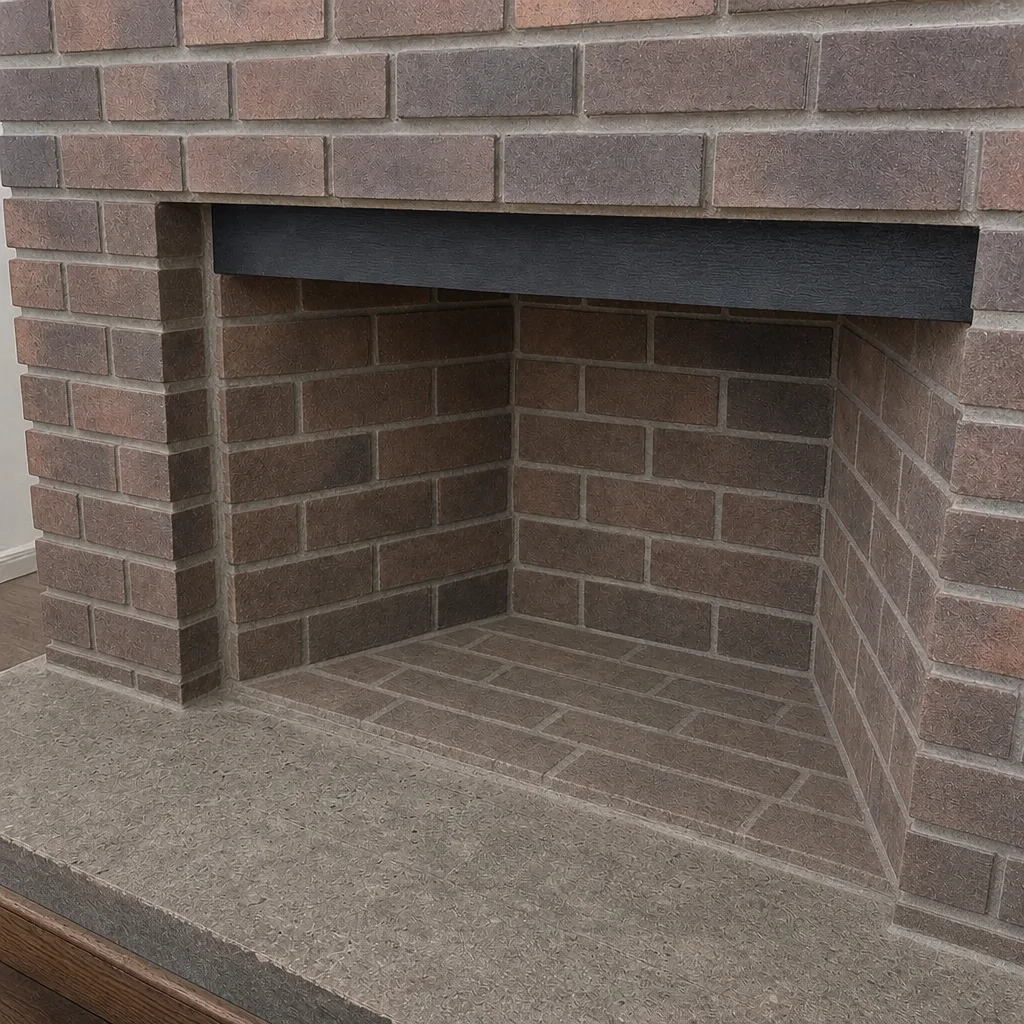
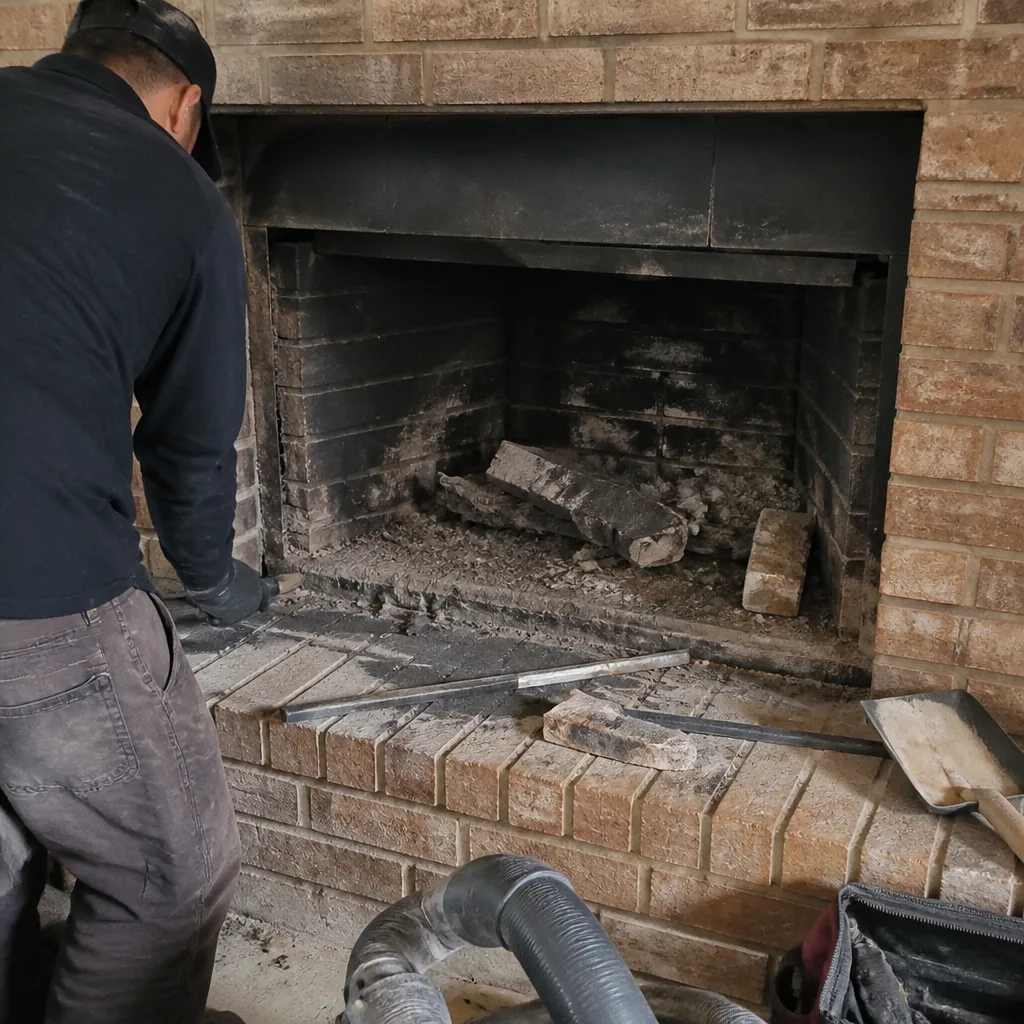
See the difference
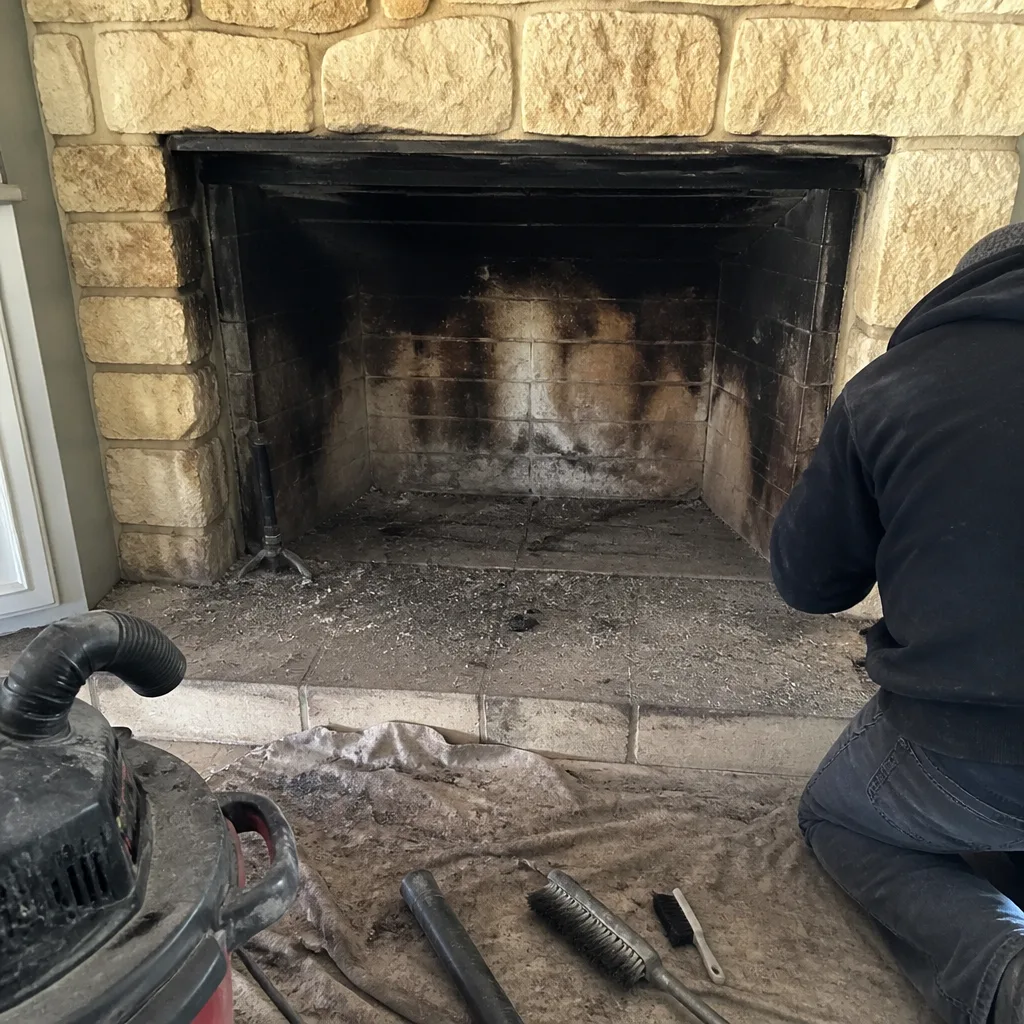 Before
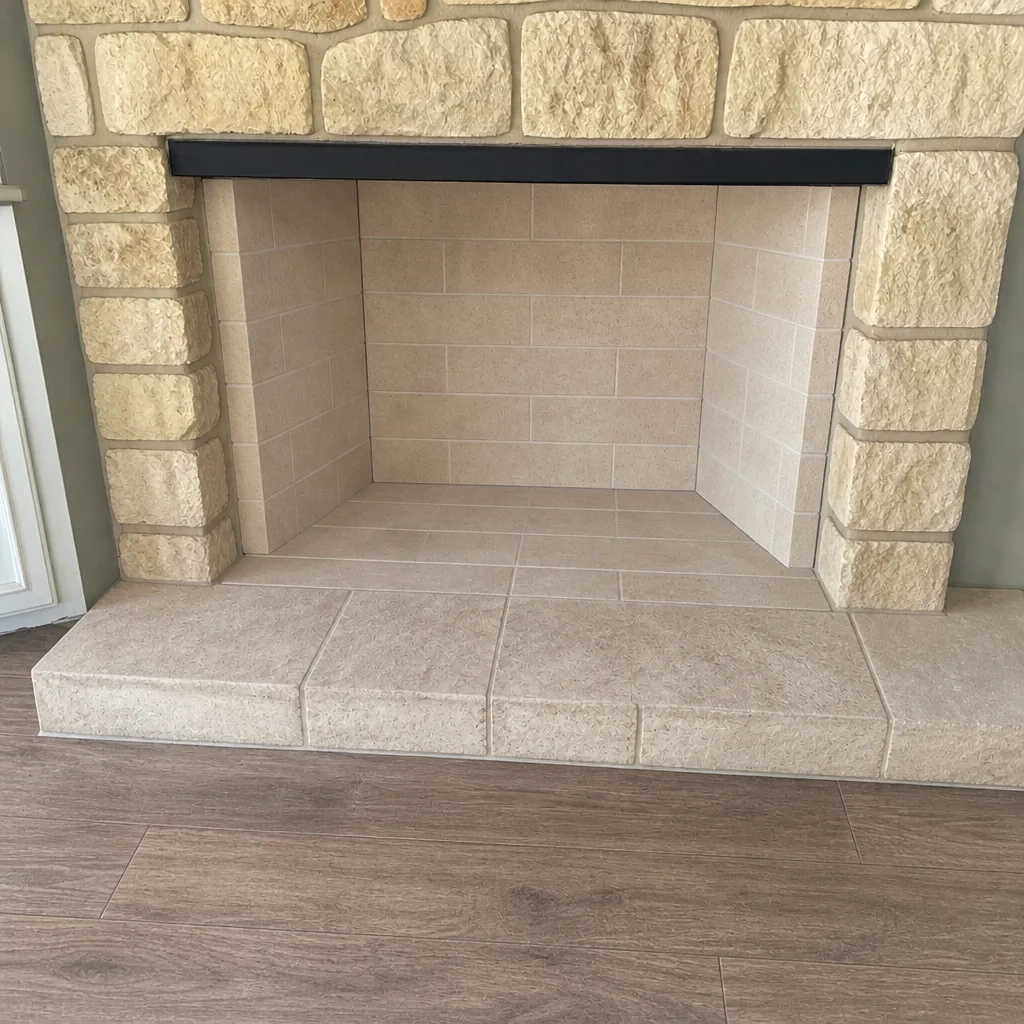 After
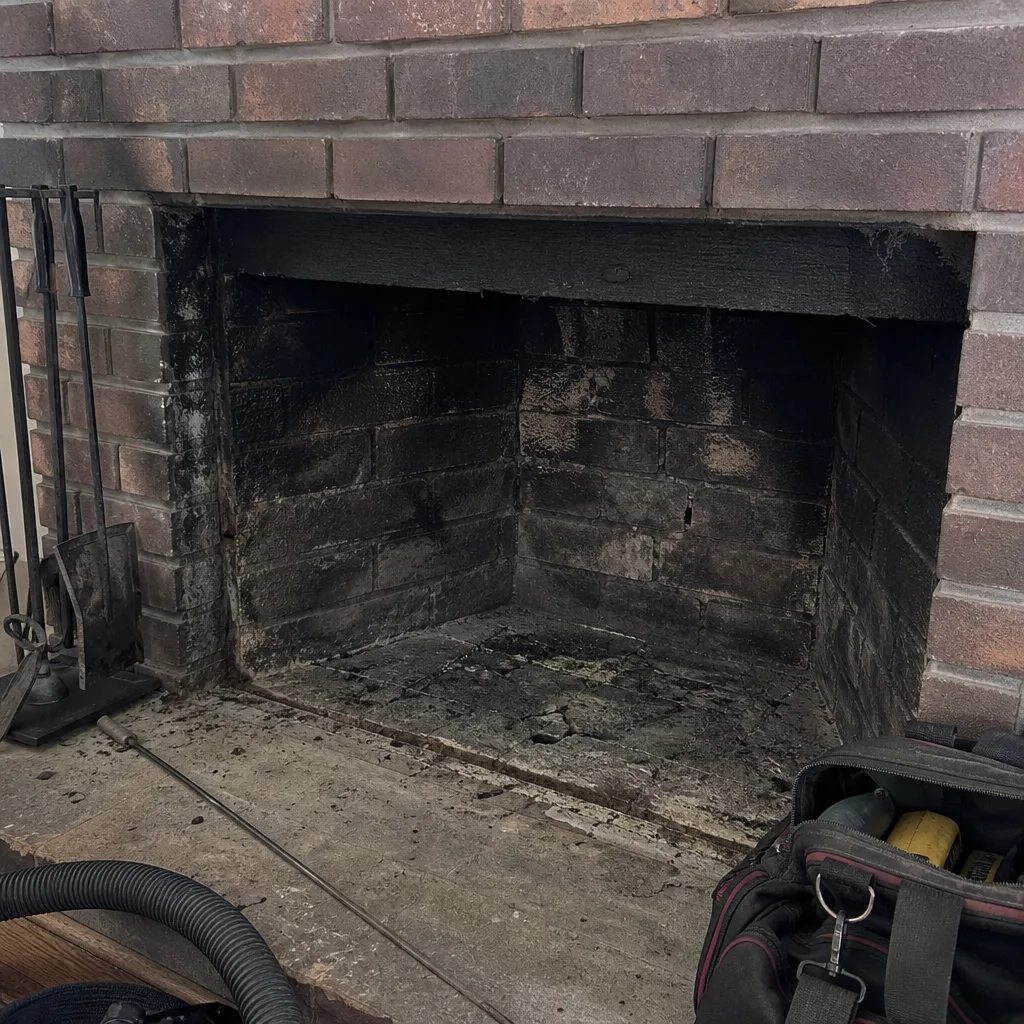 Before
 After
 Before
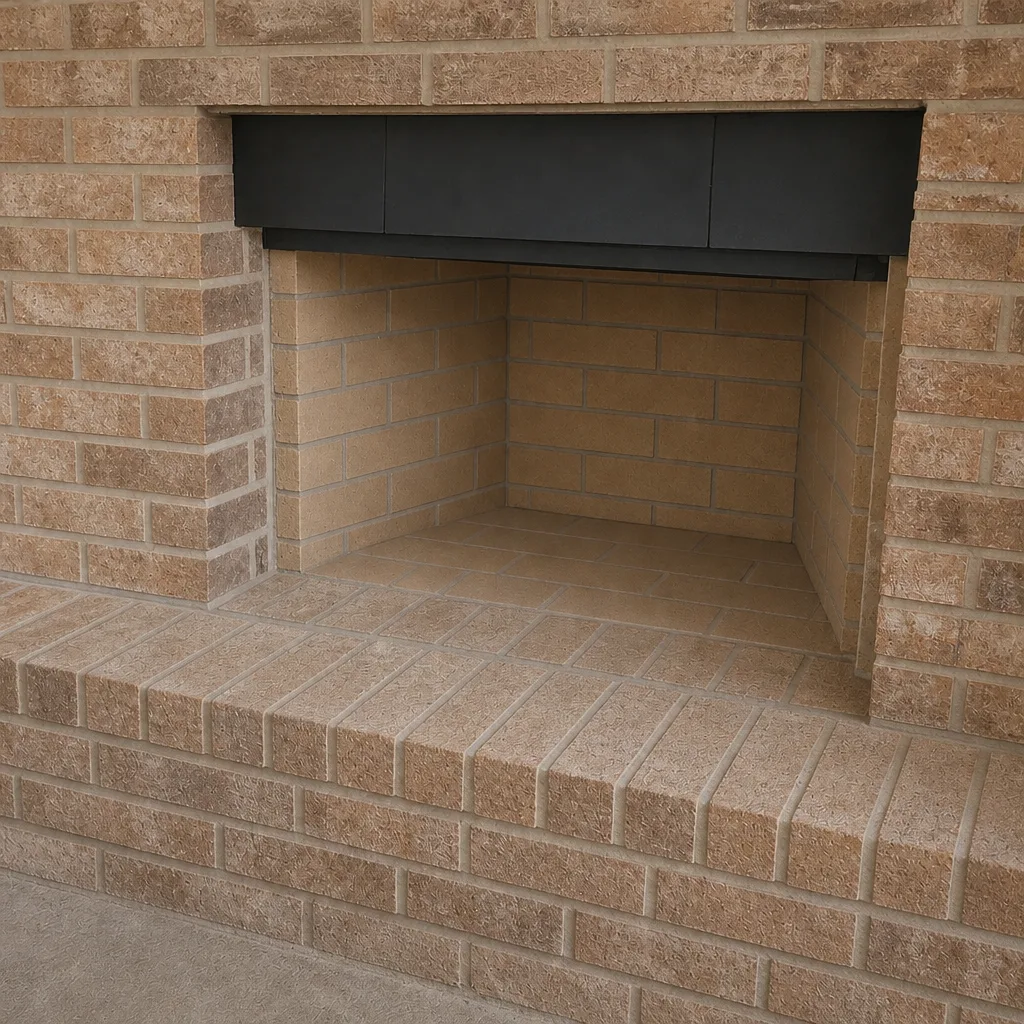 After