
Last updated November 25, 2026
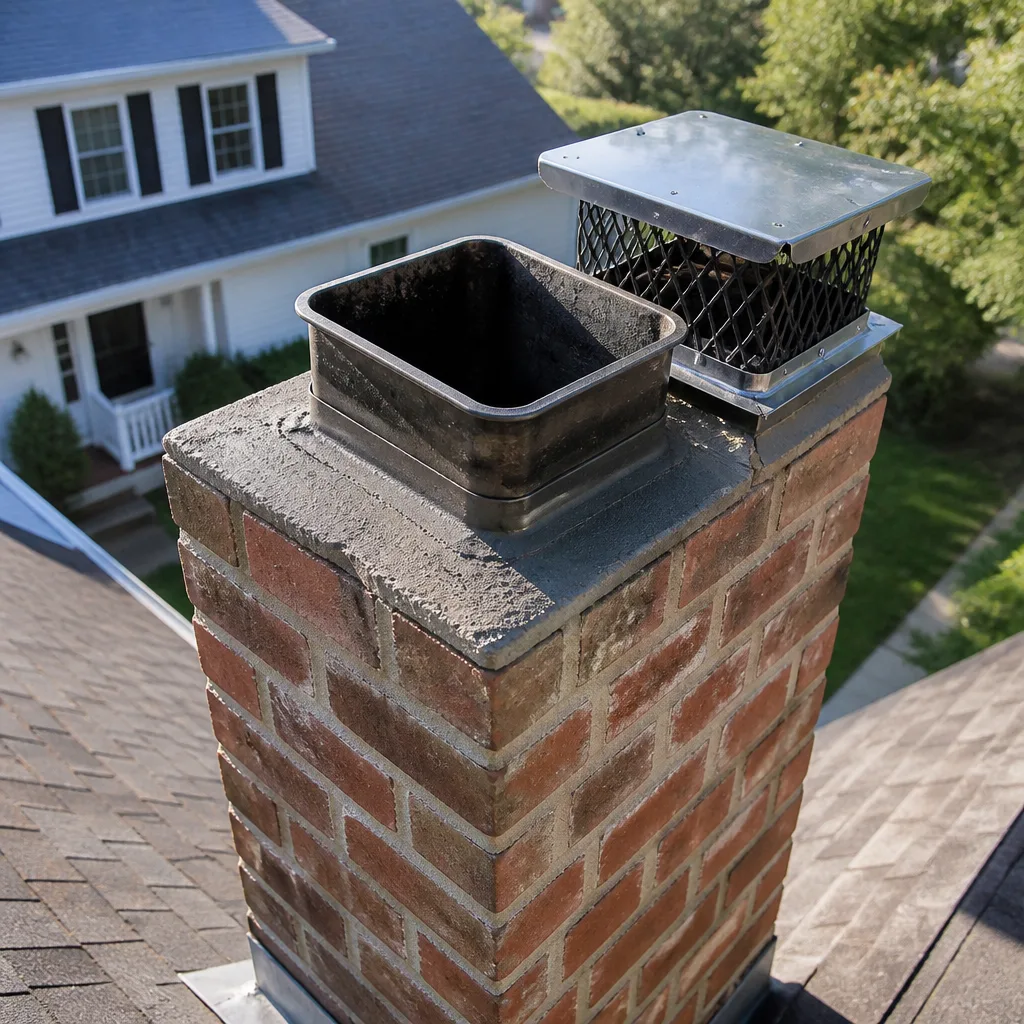 Sweep & inspection
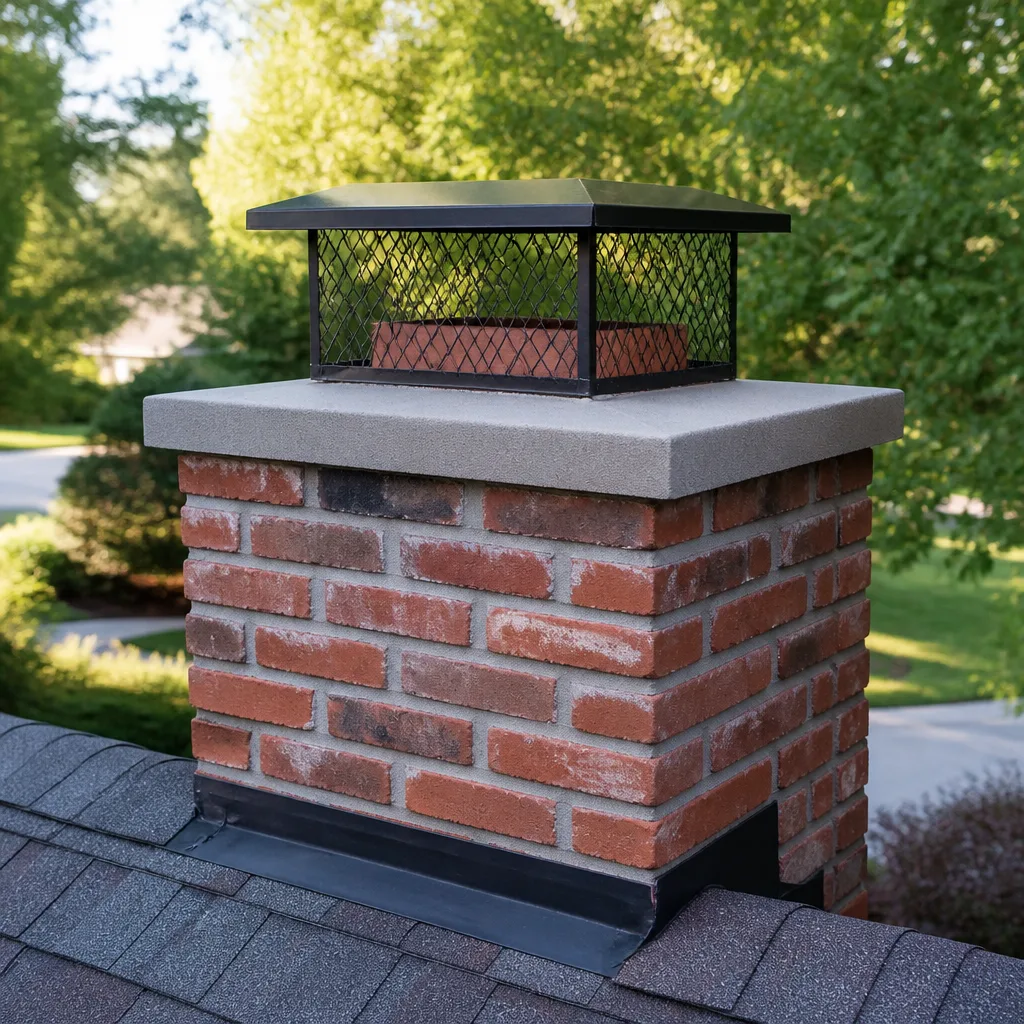 Caps & crowns
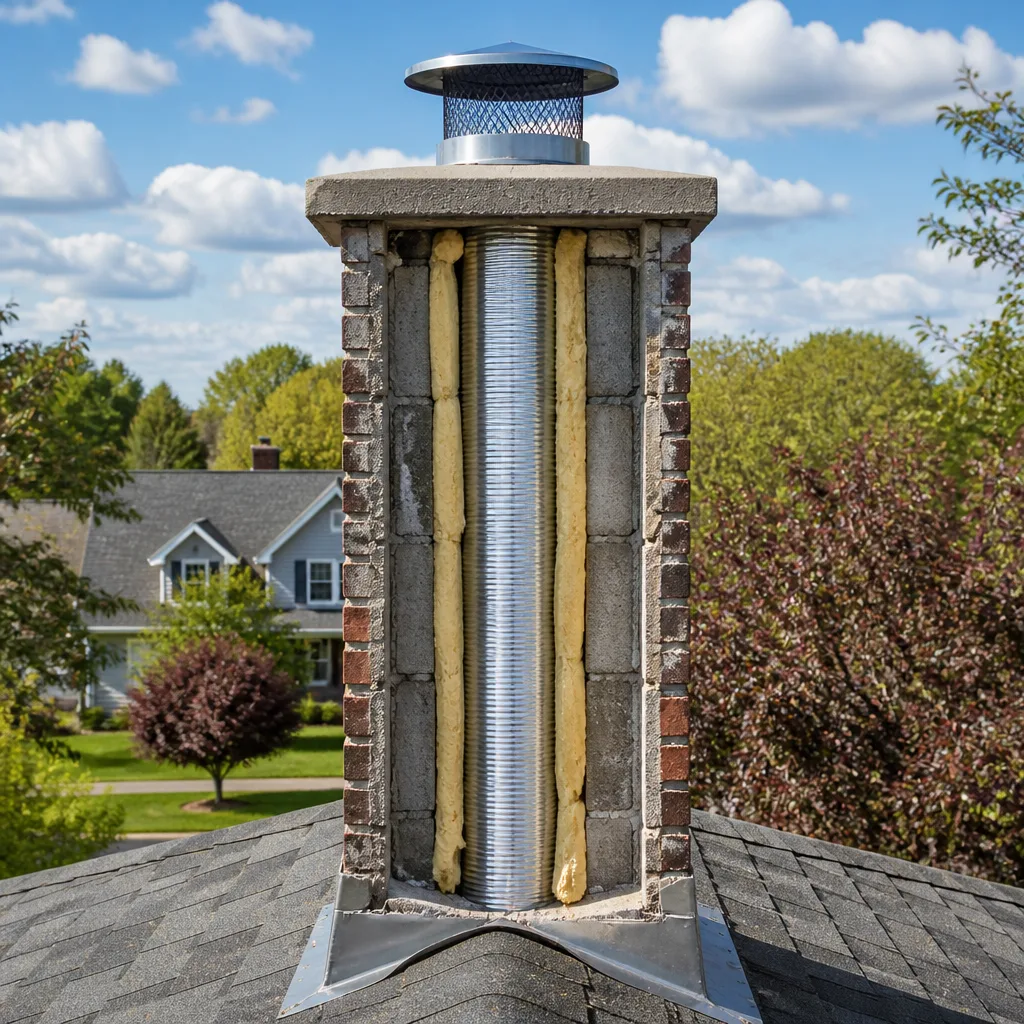 Flue relining
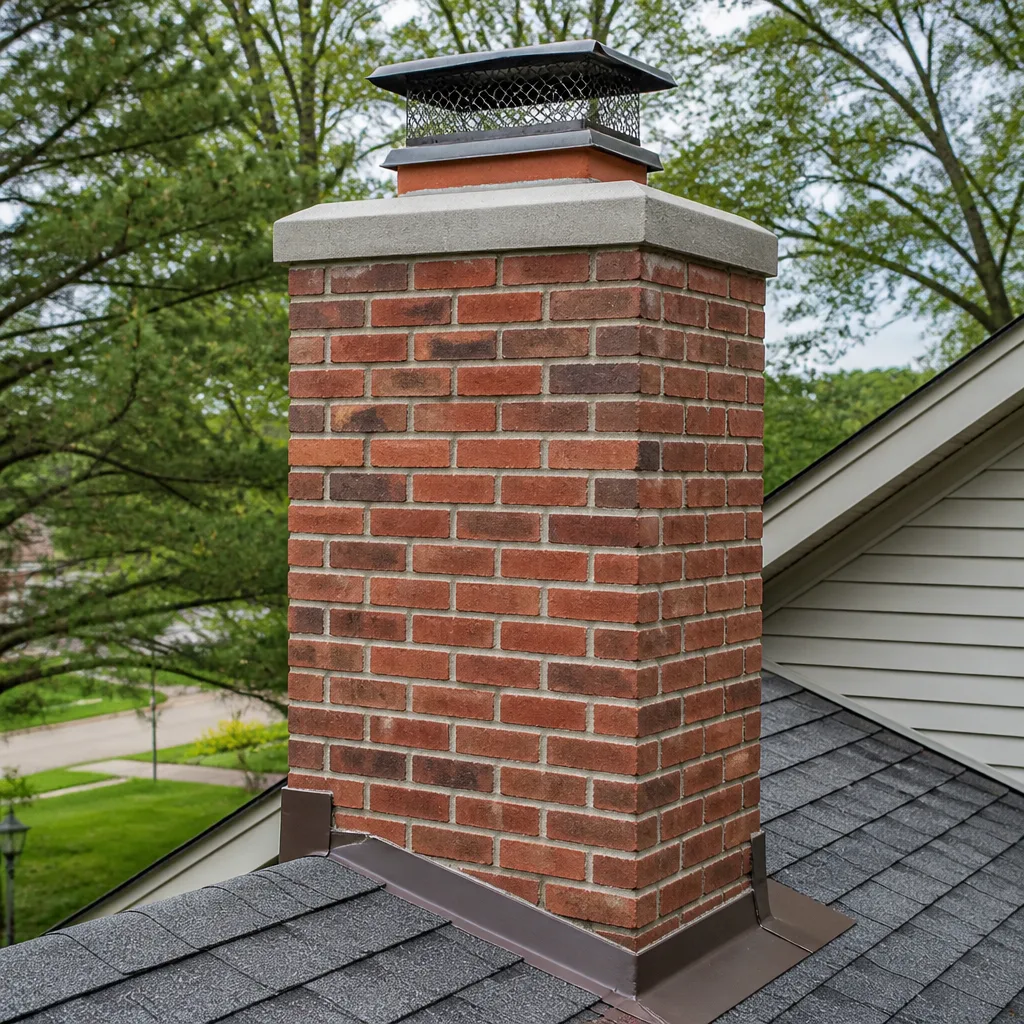 Masonry repair
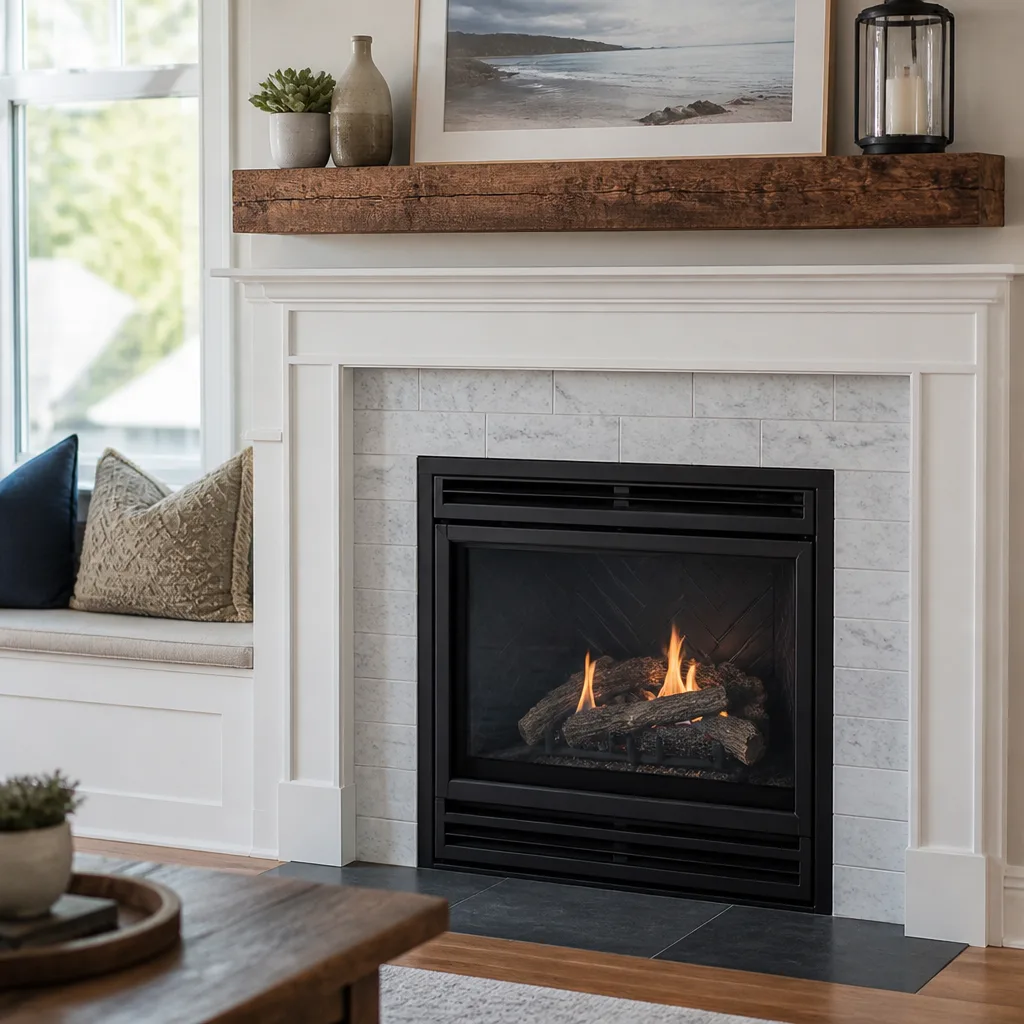 Gas fireplace service
Level 1 sweep and inspection to the NFPA 211 annual standard - flue, crown, cap, and flashing checked and photographed
Chimney sweep logs do not sweep chimneys. They loosen some creosote - which then falls where a brush and vacuum still have to collect it.
DIY vs Professional Chimney Cleaning: The Pleasant Grove Homeowner’s Decision Guide
Chimney brush kits are widely available and they work exactly as advertised. They remove loose soot from flue walls. That’s the whole job they were built for. What a brush on a rod can’t do is assess liner integrity, evaluate smoke chamber erosion, test a damper seal, or identify glazed stage-3 creosote that has to be chemically treated before any brush will touch it. That’s not a sales argument against DIY. It’s a scope definition. Most Pleasant Grove homeowners are perfectly capable of running a brush through a flue. The honest question is whether brushing the flue is the service that actually keeps a chimney safe, and the answer is that it’s the smallest part of what a trained professional does. This guide lays out what DIY genuinely accomplishes, what it can’t, and how to figure out where your own fireplace sits on that spectrum.
Quick Answer
DIY chimney brushing removes loose stage-1 creosote and soot from the accessible sections of the flue, and that’s a real, useful task. It cannot inspect the liner with a camera, treat glazed creosote, verify damper seal, or catch the cracked tile or eroded smoke chamber that leads to most chimney-related house fires. If your liner was recently confirmed intact and you burn dry hardwood occasionally, DIY brushing keeps soot down between professional inspections. If you burn often, burn unseasoned wood, or don’t know your liner’s condition, a professional sweep and inspection is the service that actually protects the house.
Styles & brands we work with
- Sweep & inspection
- Caps & crowns
- Flue relining
- Masonry repair
- Gas fireplace service
Table of Contents
- What DIY Chimney Brushing Actually Accomplishes
- The Liner Inspection Gap Nobody Talks About
- Tasks That Are Genuinely Appropriate for Capable DIYers
- What Professional-Grade Tools Do That Brush Kits Can’t
- Understanding Creosote Stages and Why They Matter in Pleasant Grove
- Locating Yourself on the Risk Spectrum
- What a Professional Sweep Actually Involves, Start to Finish
- DIY vs Professional: An Honest Comparison
- Common Mistakes to Avoid
- When to Call a Professional
- Frequently Asked Questions
What DIY Chimney Brushing Actually Accomplishes
A consumer chimney brush is a simple tool with a narrow job. It scrapes loose, flaky stage-1 creosote and soot off the flue walls it can physically reach. On a straight flue with light buildup, that’s meaningful. Soot reduces draft and coats the liner, and knocking it down does improve how the chimney draws. If you’ve burned a cord of dry hardwood over a season and the flue looks dusty inside, a brush pass gets you back to roughly where you started.
Here’s what the brush pass leaves untouched:
- Liner condition. The brush can’t tell you whether the tile behind the soot is cracked, spalled, or missing mortar joints.
- Smoke chamber erosion. The sloped shelf above the damper is where turbulence and acidic deposits do their worst work, and it’s rarely visible from below.
- Damper seal. A damper that doesn’t close tightly bleeds heated air up the flue year-round. You can’t test the seal by eye.
- Glazed stage-3 creosote. This is the tar-like, hardened fuel that ignites during a chimney fire. A brush skates over it. It has to be chemically softened first.
- Cap and crown condition. The top of the system takes weather directly, and it’s the entry point for water that quietly ruins masonry.
- Containment. Consumer kits don’t capture fine soot the way a HEPA-rated vacuum does. Some of what you brush loose ends up in the room.
None of that is a knock on the tool. It’s the difference between cleaning a surface and evaluating a system. A brush cleans a surface. A professional service evaluates the system and then cleans what the evaluation shows needs cleaning. When we run a Chimney Sweep Pleasant Grove visit, the sweep is the visible part; the documented inspection is what tells you whether the sweep was enough.
The Liner Inspection Gap Nobody Talks About
Liner failure is the mechanism behind most chimney-related house fires, and here’s the uncomfortable part: you cannot confirm liner condition from the firebox looking up. Neither can a sweep who only works with a flashlight and a mirror. Cracks hide behind soot. Offset flues have sections no straight sightline reaches. A tile can look intact at the bottom and be fractured two feet up.
That’s why camera scanning matters more than brushing. A camera run down the flue documents what’s actually there: the tile joints, the mortar, the transition into the smoke chamber, any gaps where heat can reach framing. In our experience, the findings that change a homeowner’s plan are almost never about soot volume. They’re about a hairline crack, a shifted tile, or a mortar joint that has washed out.
This is also why “we had it swept last year” and “the liner is fine” are two different statements. A sweep without a camera inspection is a cleaning with an assumption attached. If nobody looked at the liner with a camera, nobody confirmed it. In Pleasant Grove, where a lot of homes have wood-burning fireplaces that see steady seasonal use, that assumption is the one worth spending a little more to remove.
Once liner condition is documented, the fix options get concrete. A sound tile liner needs nothing. A deteriorated flue might be resurfaced with HeatShield, which restores the interior without the cost of a full liner replacement. A flue that’s too far gone for resurfacing may call for a DuraFlex flexible liner system. The point is you can only choose between those options after the camera shows you which one you’re facing.
Tasks That Are Genuinely Appropriate for Capable DIYers
Plenty of chimney care is safe and sensible for a careful homeowner, and it’s worth saying so plainly. These are visual checks and function tests, not repairs. They don’t require climbing anything, opening anything, or getting on a roof.
- Cap visual check from the ground. Look up at the cap with binoculars. Is it straight and attached, or has a storm bent it? Is the screening intact, or are there gaps? A damaged cap lets water and animals in, and that’s a call-a-professional signal, not a fix-it-yourself one.
- Damper function test. Open and close the damper by hand. It should move smoothly and seat flush. If it sticks, won’t close completely, or feels loose on its pivot, note it for the technician.
- Firebox interior visual. With no fire burning and the firebox cold, shine a light inside. Look for fallen debris, loose brick, crumbling mortar joints, or cracks in the firebox panels. Any of those is a stop-and-call finding.
- Exterior crown visual from ground level. The crown is the concrete cap on top of the masonry. From the ground, look for obvious cracks or missing chunks. You’re not fixing it from there; you’re deciding whether it needs a professional look.
- Seasonal smoke test. Light a small, clean fire and watch how the smoke behaves. If it rolls into the room before the flue warms, draft is compromised and it’s worth an inspection.
Notice what these have in common: observation, not intervention. A homeowner doing these checks is doing real preventive work. The line is at anything that involves the flue interior, the liner, the crown repair itself, or the smoke chamber. Those move from “check” to “trained professional” territory, and for good reason.
What Professional-Grade Tools Do That Brush Kits Can’t
Professional chimney cleaning isn’t a fancier version of a consumer kit. It’s a different toolkit aimed at different buildup types and a different level of containment. The gap shows up in three places.
Rotary cleaning systems. A rotary whip or chain on a flexible rod spins inside the flue and scrubs the walls rather than just scraping them. It reaches offset sections and rougher surfaces that a straight brush skips, and it removes stage-2 creosote that a consumer brush only polishes.
Chemical treatments for glazed creosote. Stage-3 creosote is hard, shiny, and bonded to the liner. No brush removes it. It has to be treated with a chemical agent that softens the deposit over time so it can be removed safely, without the friction that risks igniting it during cleaning. This is a process, not a pass, and it’s the single biggest thing DIY can’t replicate.
HEPA-rated vacuum containment. This is the part homeowners notice. Professional sweeps run vacuum pressure at the firebox so the whole flue stays under negative pressure while it’s being cleaned. Soot goes into a HEPA filter instead of the living room. Consumer kits don’t do this, and the fine dust they release is the reason DIY cleaning often ends with a drop cloth, an open window, and a lot of regret.
There’s a materials layer too. The professionals who do this work every day source from trade-grade manufacturers rather than hardware-store substitutes: Gelco for caps, Olympia Chimney and Copperfield for liner components, Famco for related fittings, and DuraFlex for flexible liner systems. That matters less on a cleaning day and more on the day a repair is needed and the part has to last.
Understanding Creosote Stages and Why They Matter in Pleasant Grove
Creosote is the residue left behind when wood smoke cools against the flue walls. It forms in three stages, and the stage matters far more than the volume. This is the piece most homeowners never get explained to them.
- Stage 1: soot and flaky deposit. Light, powdery, easily brushed off. This is what a DIY brush handles.
- Stage 2: crunchy, hardened deposit. Bonds to the liner and forms a shell. A hand brush mostly skates across it. A rotary system removes it.
- Stage 3: glazed, tar-like deposit. Fuel. If ignited, it burns hot enough to damage the liner and reach the framing. Requires chemical treatment to soften before removal is possible.
Pleasant Grove’s climate plays directly into this. Mild winters mean fireplaces often get used in short, intermittent burns rather than long steady ones. Short burns produce cool smoke, and cool smoke deposits creosote faster than a hot, well-drafted fire does. Add in a cooler overnight smolder with damped-down airflow, and the flue becomes a creosote factory. This seasonal pattern is also why the best time to book a sweep in Pleasant Grove is before the first cold snap, when the schedule is open and the findings have time to be addressed before you want the fireplace.
The other variable is fuel. Seasoned hardwood, split and dried properly, burns hot and leaves less residue. Green wood, softer wood burned hot and slow, or any of the cordwood sold as “fireplace ready” without real seasoning leaves far more. If you don’t know how dry your wood is, that uncertainty alone argues for an inspection over a brush pass.
Our technicians have up to 10 years of experience, and the one point that comes up every season is that creosote stage determines the whole service plan. A flue full of stage-1 soot is a cleaning. A flue with glazed deposits is a treatment followed by a cleaning followed by a re-check. Two identical-looking chimneys can need completely different work, and only an inspection tells you which.
Locating Yourself on the Risk Spectrum
DIY chimney cleaning isn’t equally appropriate for every household. The honest framework is a spectrum, and most homeowners can place themselves on it in about a minute. Ask these questions in order.
- Do I know my liner’s condition? If a camera inspection confirmed an intact liner recently, you’re starting from a known position. If nobody has ever scanned it, you don’t actually know, and “it drafts fine” isn’t evidence.
- How often do I burn? A few fires a month in a properly drafted fireplace leaves less buildup than daily burning or damped overnight burns.
- What do I burn? Seasoned hardwood only is the low-risk end. Wet wood, coal, construction scraps, or unseasoned firewood sit firmly on the high end.
- Is there a stage-3 concern? Any glazed deposit, any chimney fire event (even a small one you heard but didn’t report), or any obvious tar formation pushes you straight to professional-only.
- Are my DIY tasks limited to observation? If your plan is ground-level checks, damper testing, and a seasonal smoke test, that’s genuinely fine. If it involves a ladder, a brush, or the flue interior, you’re past the DIY line.
The low-stakes end: occasional burns on seasoned hardwood, liner recently confirmed, no cap or crown issues. Here, DIY brushing between professional inspections is defensible and we’ll say so. The high-stakes end: heavy burns, wet wood, unknown liner, or any sign of glazed creosote. Here, brushing is not the service you need, and it may be actively risky.
One more Pleasant Grove consideration: many neighborhoods here have homes built decades apart, and the construction era matters. Older masonry chimneys without a modern liner are a different risk class from newer ones. The camera inspection is what tells you which class you’re in, and that’s a professional task by definition.
What a Professional Sweep Actually Involves, Start to Finish
Here’s what a full-service call actually looks like, so you can compare it honestly against a DIY pass at home.
- Arrival and setup. Drop cloths down, HEPA vacuum positioned at the firebox, negative pressure established before anything moves inside the flue.
- Camera inspection. A camera runs the flue from top to bottom, documenting liner joints, cracking, and deposit stage. This is the step the whole plan depends on.
- Rotary cleaning. A rotary system scrubs the flue walls, adjusted to what the inspection found. Stage-3 deposits would already have been chemically treated beforehand in some cases, or scheduled for a follow-up.
- Smoke chamber and firebox cleaning. The area above the damper gets cleaned as thoroughly as the flue, since it’s where turbulence deposits form.
- Cap, crown, and exterior check. The top of the system gets inspected and photographed. Water intrusion starts here more often than anywhere else.
- Documented findings. Photographs and notes tied to each finding, with a recommendation for each one. No recommendation without evidence you can see for yourself.
Compare that sequence to a DIY brush pass, which is steps 1 and 3 together, without the containment, inspection, or documentation. The brush pass cleans. The full sequence answers the question you actually care about, which is whether this chimney is safe to use this season.
On our side, the work covers the whole system. A chimney cap & crown issue found during the exterior check gets handled by the same team that did the sweep, not bounced to a second contractor. The same goes for a fireplace repair recommendation in the firebox, or a liner resurfacing job tied to the inspection findings. That’s the practical difference between a sweep-only service and a full-system one: you get one documented plan instead of three separate opinions.
DIY vs Professional: An Honest Comparison
Cost isn’t the whole picture, but it’s part of it, and it’s fair to lay both options out side by side. A professional chimney sweep in Pleasant Grove typically runs on a per-job estimate, and the written estimate sets the final price. A consumer brush kit costs less up front, and the comparison only makes sense when you account for what the kit doesn’t include.
- Tools and setup: a DIY kit is a one-time purchase, but it doesn’t include rotary capability, chemical treatments, or HEPA containment. A professional visit includes all of that as part of the service.
- Inspection: a DIY pass includes no camera inspection. A professional sweep includes documented findings tied to specific repair recommendations, with photographs you can review.
- Buildup type handled: DIY handles stage-1 soot. Professional service handles stage-1 through stage-3, including the chemical treatment glazed deposits require.
- Mess: DIY kits release fine soot into the room. Professional sweeps run vacuum pressure at the firebox throughout.
- Risk: a DIY pass on a compromised liner, or a brush run against glazed creosote, carries fire risk. A professional sweep docs the liner first and adapts the cleaning to what it finds.
The fair conclusion is that DIY is cheaper for exactly the small slice of work it can handle, and more expensive in practice when a liner problem goes undetected for another season. The written estimate from a professional sweep gives you a flat price agreed before booking, so the comparison is at least accurate. If a recommendation comes out of the inspection, we’ll tell you plainly whether it can wait until next season. Some can. Some can’t, and the inspection is how you know which is which.
Common Mistakes to Avoid
- Treating a swept flue as a confirmed-safe flue. Brushing removes soot but doesn’t check the liner. A cleaning without a camera inspection leaves the biggest question unanswered.
- Brushing glazed creosote. Friction on stage-3 deposits can ignite them during cleaning. If the flue looks glossy or tar-like, stop and call a professional.
- Skipping the cap and crown check. Water intrusion at the top damages masonry quietly. It’s the most common source of long-term damage and the easiest thing to overlook.
- Burning wet or unseasoned wood to “get the season started.” Cool, damp burns deposit creosote faster than anything else. Dry hardwood matters more than any brush pass.
- Assuming a small chimney fire was harmless. Even a quiet fire event can crack a liner or damage tile joints in ways you can’t see. It’s the number-one reason to call for an inspection rather than a cleaning.
- Climbing the roof for a closer look. Roof and height work is dangerous and not a DIY task. Ground-level visual checks and a camera inspection get you the same information without the fall risk.
- Waiting until the first cold snap to book. Pleasant Grove’s mild winters mean the pre-season window is short. Booking the sweep before the season starts gives you time to address anything found.
When to Call a Professional
Some situations are a straight call, not a judgment call. Anything involving glazed creosote, a suspected chimney fire, a cracked or missing liner, a stuck damper, loose or missing firebox brick, visible crown damage, or a cap that’s detached or bent. Any of those move from “DIY check” to “professional service” the moment you notice them, and sitting on it doesn’t improve the outcome.
Beyond the obvious: if you’ve never had the liner camera-inspected, or if it’s been more than a season since the last documented inspection, that’s the service to book. Our technicians have up to 10 years of experience, and the inspection-first approach applies on every job: we document what we find and tie each recommendation directly to the evidence. Chimney Sweep Pleasant Grove offers free estimates in Pleasant Grove. Call (855) 337-2098. We answer 24/7. Fast dispatch from 7am to 7pm, Sunday through Friday.
Frequently Asked Questions
You can clean stage-1 soot from the flue with a consumer brush kit, and that’s a real task. What you can’t do is inspect the liner with a camera, assess the smoke chamber, test the damper seal, or treat glazed creosote. DIY brushing is reasonable between professional inspections, but it isn’t a substitute for one. If your liner condition is unknown, the inspection is the service that matters. Call (855) 337-2098 for an exact quote on a sweep and inspection.
A sweep alone doesn’t confirm liner condition; only a camera scan does. Liner failure is the mechanism behind most chimney-related house fires, and cracks are invisible from the firebox looking up. A sweep without an inspection is a cleaning with an assumption attached. If nobody has scanned the flue, nobody has confirmed it’s safe. Call (855) 337-2098 to book an inspection with documented findings.
Most wood-burning fireplaces should be swept and inspected annually, before the heating season starts. Pleasant Grove’s mild winters mean intermittent burns, and intermittent cool fires deposit creosote faster than steady ones. Heavy burners or anyone burning unseasoned wood may need more frequent attention. An annual inspection tells you your actual cadence. Call (855) 337-2098 to get on the schedule before the season starts.
Skipping it means you don’t know your liner’s condition, and a cracked or deteriorated liner can let heat reach framing during use. The risk compounds across seasons: stage-3 creosote builds, cap and crown damage lets water in, and none of it shows up from the outside. None of that happens on a schedule you can predict, which is why the annual inspection is the safeguard. Call (855) 337-2098 for a free estimate.
Glazed creosote looks hard, shiny, and tar-like on the flue walls. You won’t be able to see it well from below, and a camera inspection is the reliable way to confirm. If you can see glossy deposits with a light, treat that as professional-only. Brushing it can ignite it. Call (855) 337-2098 to have the flue evaluated before you use it again.
Yes, when the liner was recently confirmed intact, you burn seasoned hardwood occasionally, and you’re limited to ground-level visual checks and function tests. In that situation, DIY brushing between professional inspections is defensible. Once you’re in the flue or on the roof, it isn’t. If you’re unsure where you fall, call (855) 337-2098 and we’ll tell you honestly whether a sweep can wait.
The Bottom Line
DIY chimney brushing is a real task with a narrow scope: it removes stage-1 soot from the reachable flue. What it can’t do is inspect the liner, evaluate the smoke chamber, test the damper, treat glazed creosote, or document anything you can act on. The professional service isn’t a fancier brush; it’s an inspection-first process that answers the question you actually care about, which is whether this chimney is safe. Cap and crown visual checks, damper tests, and firebox walkarounds are genuinely appropriate for careful homeowners. Anything involving the flue interior, glazed deposits, or a damaged liner goes to a trained professional. Our technicians have up to 10 years of experience, and we document what we find, tie each recommendation to the evidence, and tell you plainly when work can wait.
Chimney Sweep Pleasant Grove offers free estimates in Pleasant Grove. Call (855) 337-2098 for a free estimate. We answer 24/7. Fast dispatch from 7am to 7pm, Sunday through Friday.
Written by the team at Chimney Sweep Pleasant Grove.
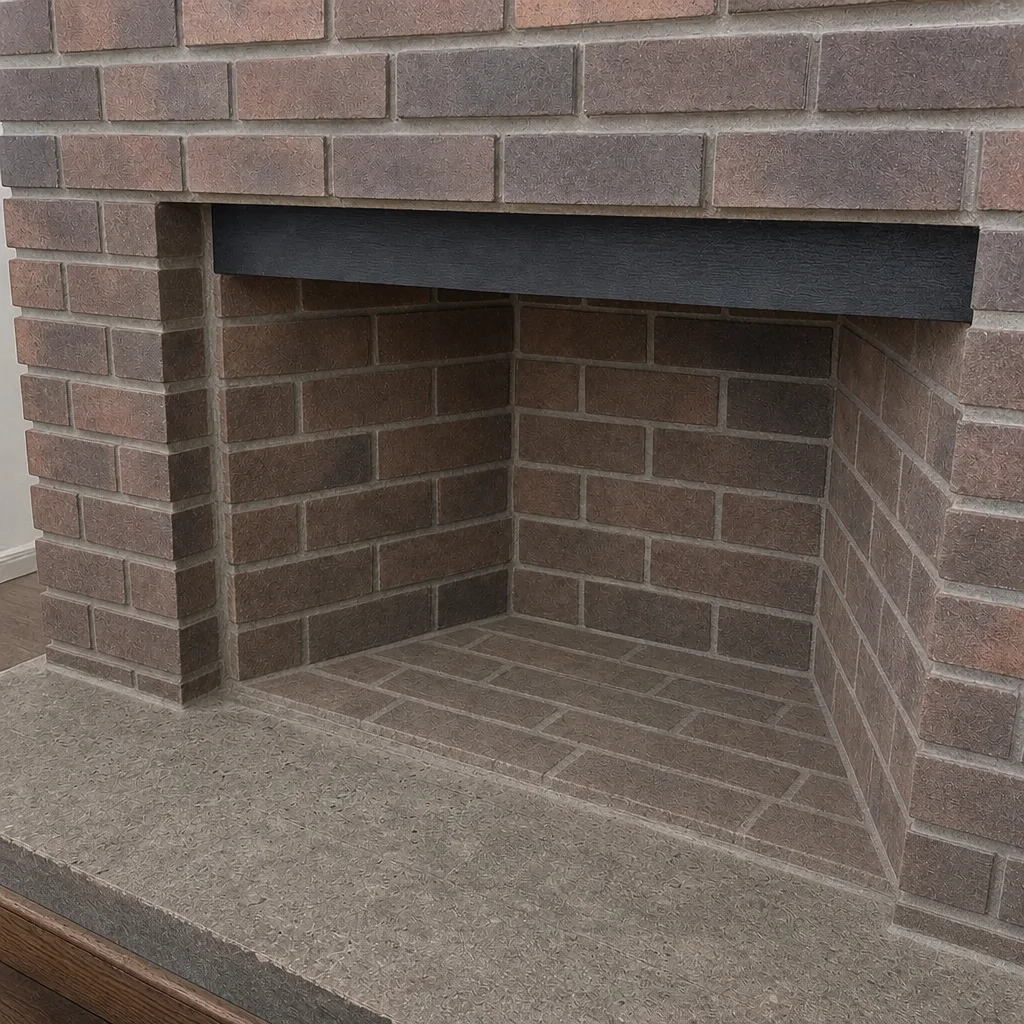
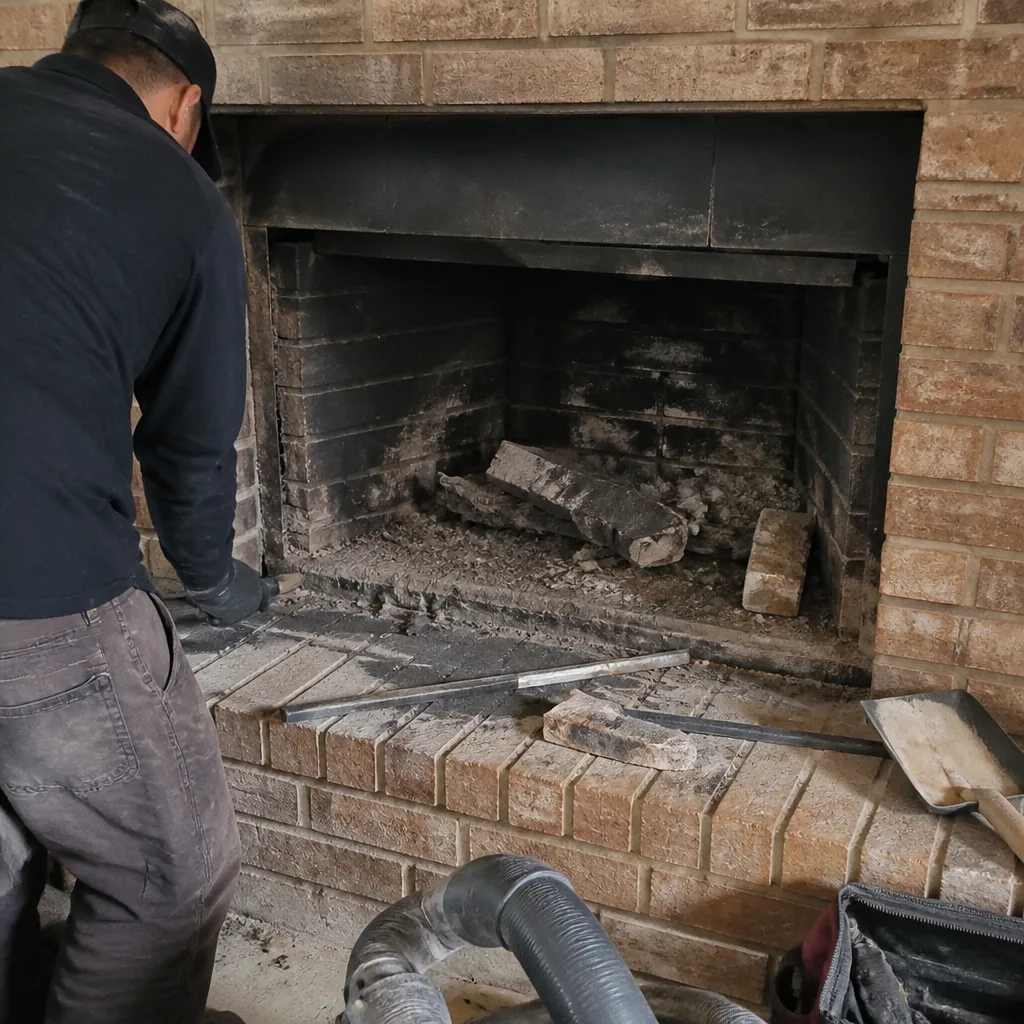
See the difference
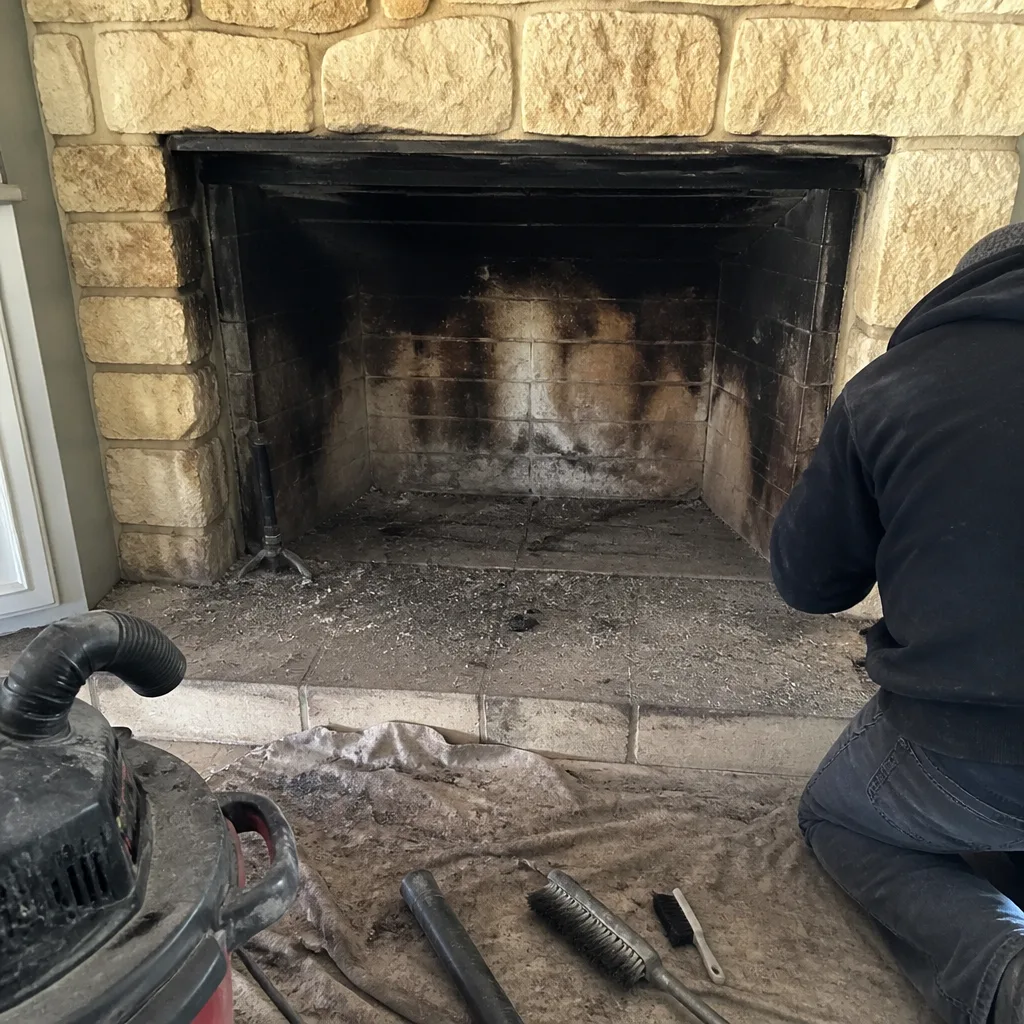 Before
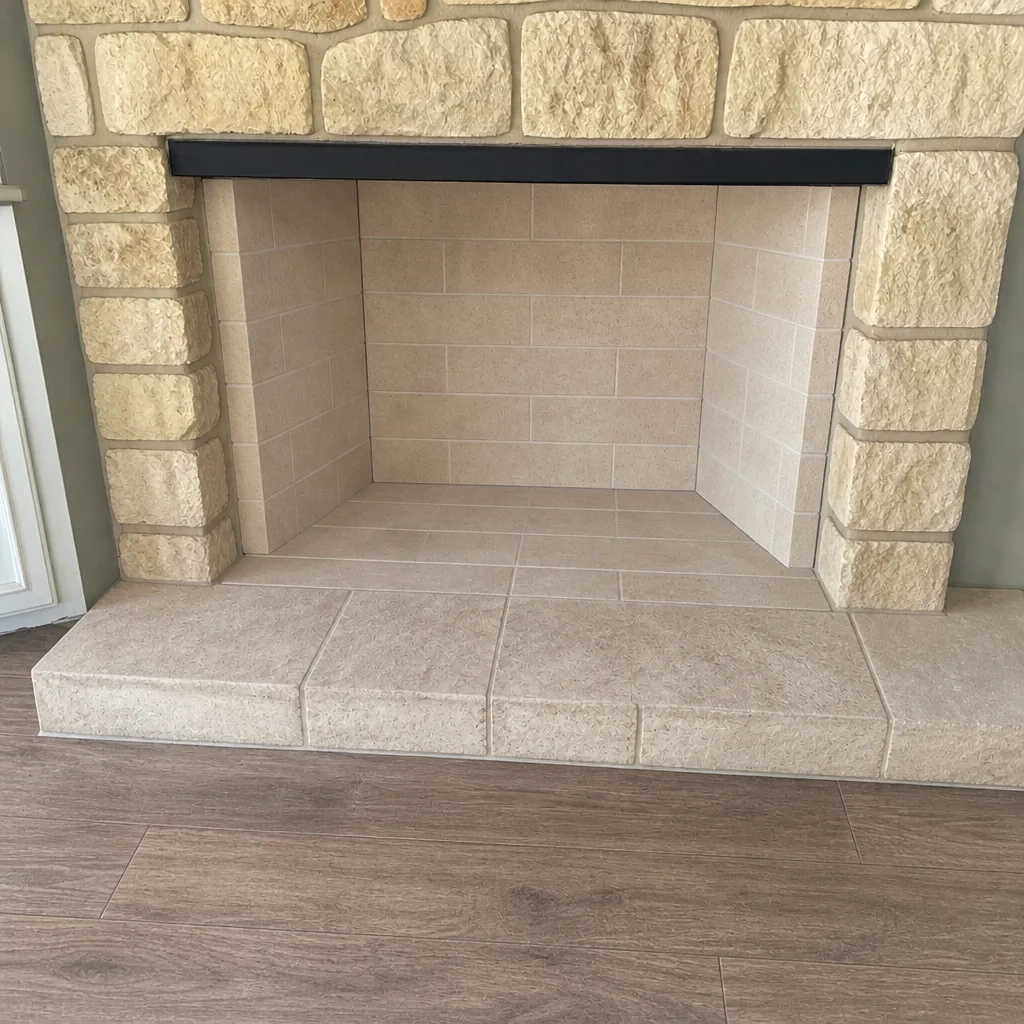 After
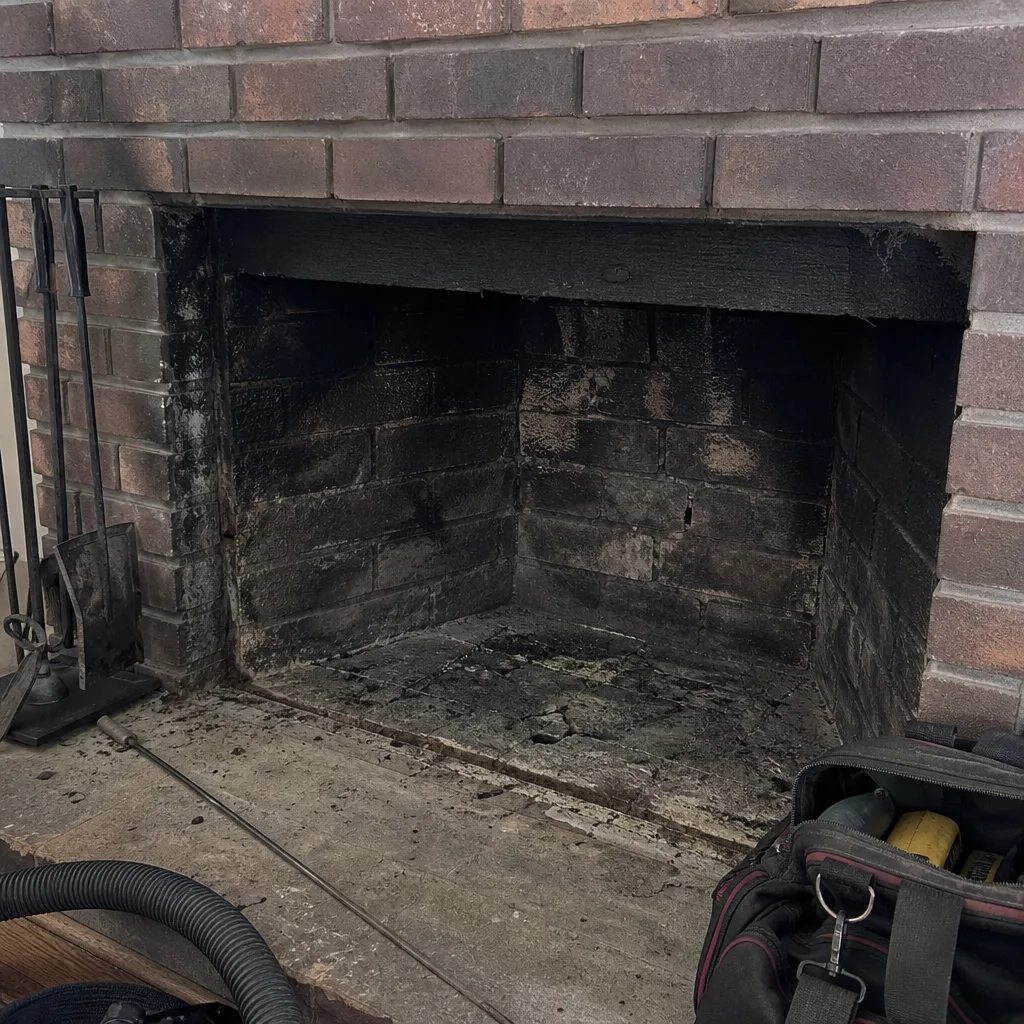 Before
 After
 Before
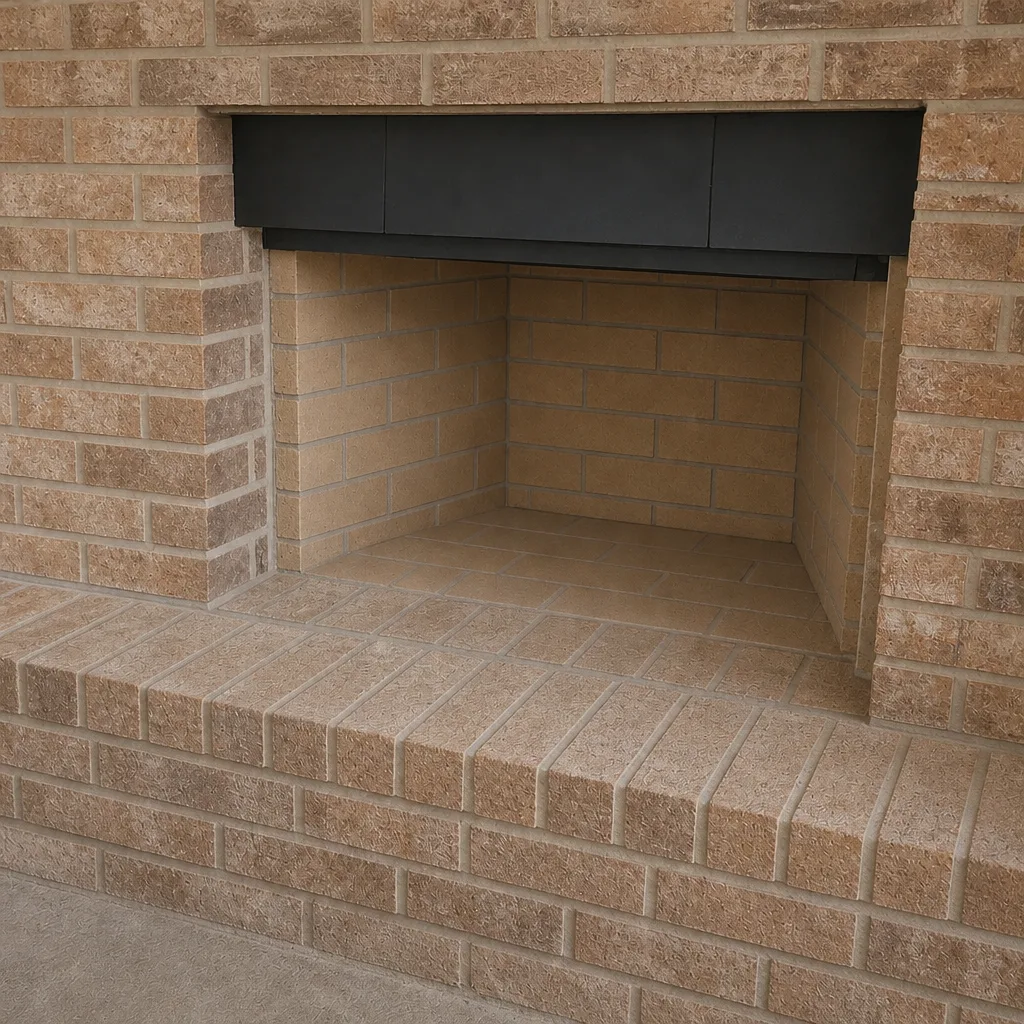 After