
Last updated November 25, 2026
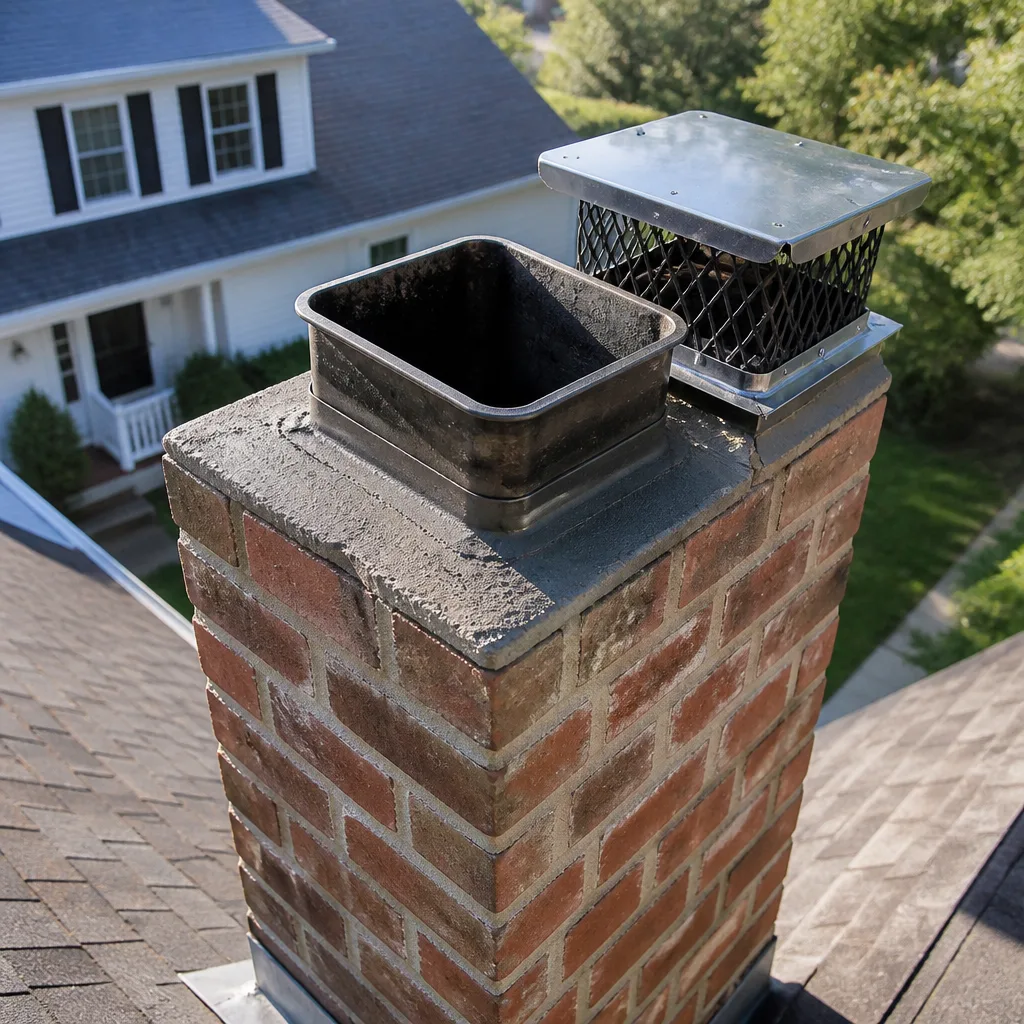 Sweep & inspection
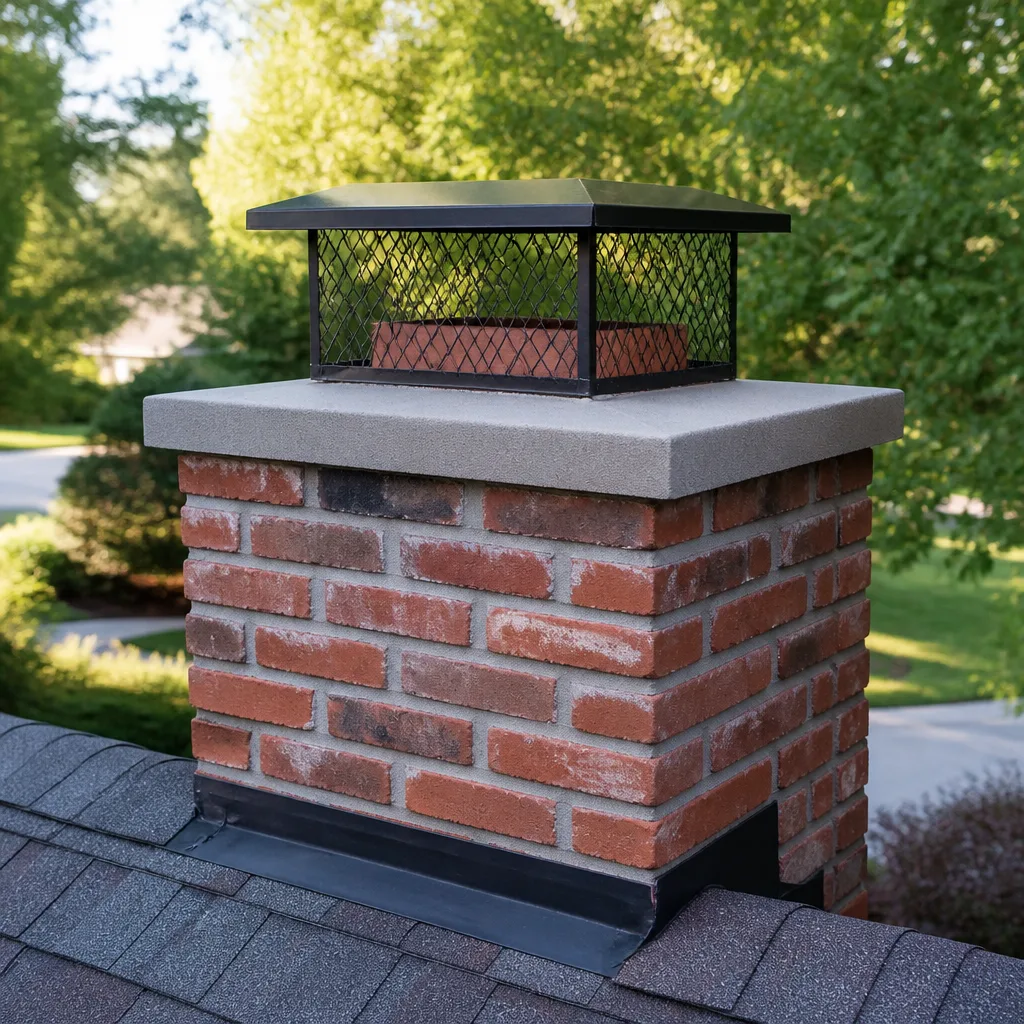 Caps & crowns
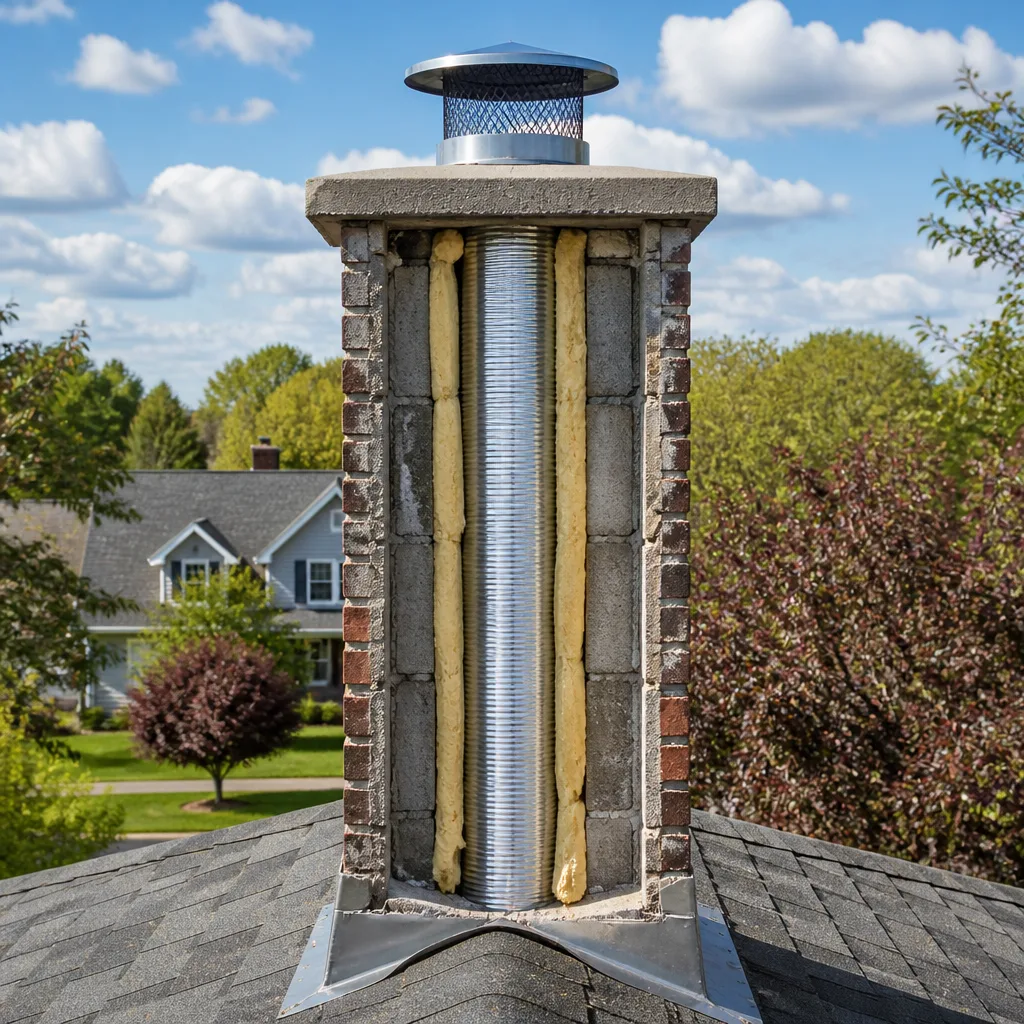 Flue relining
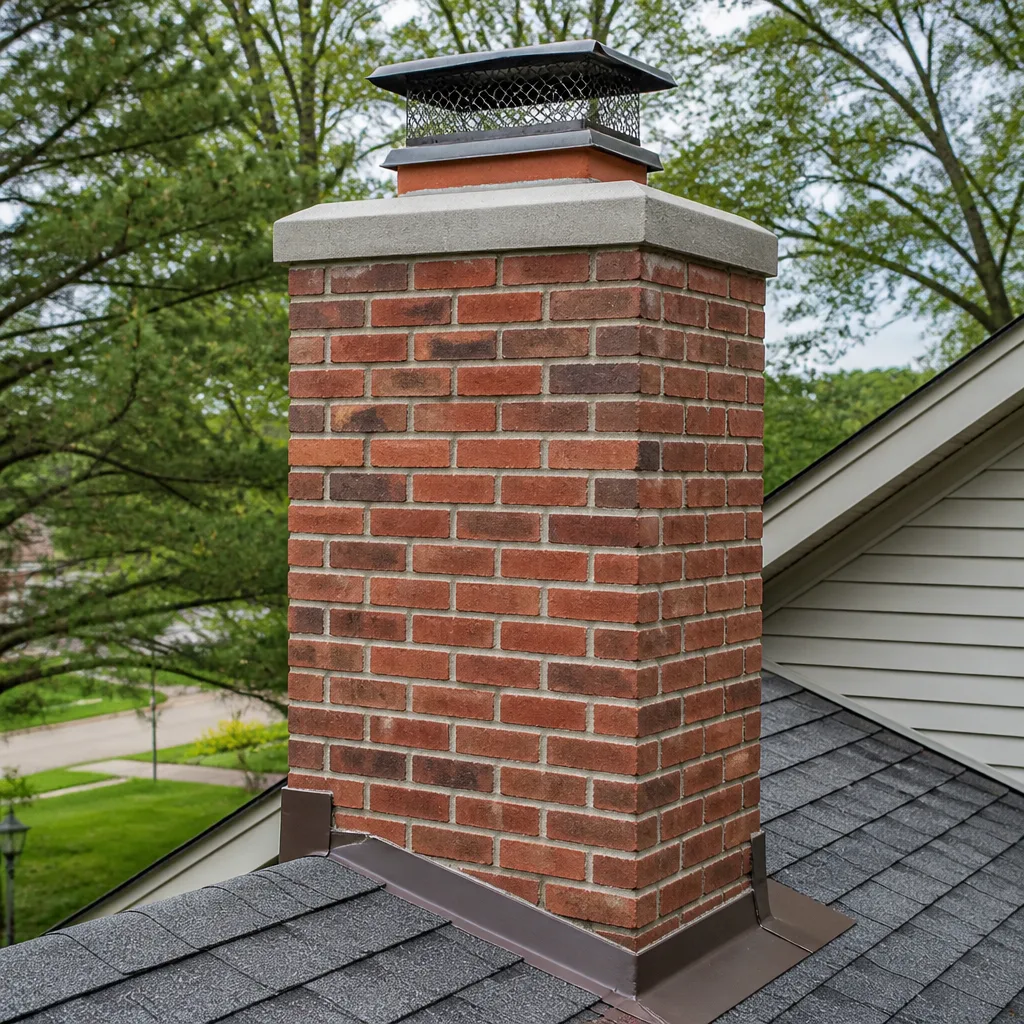 Masonry repair
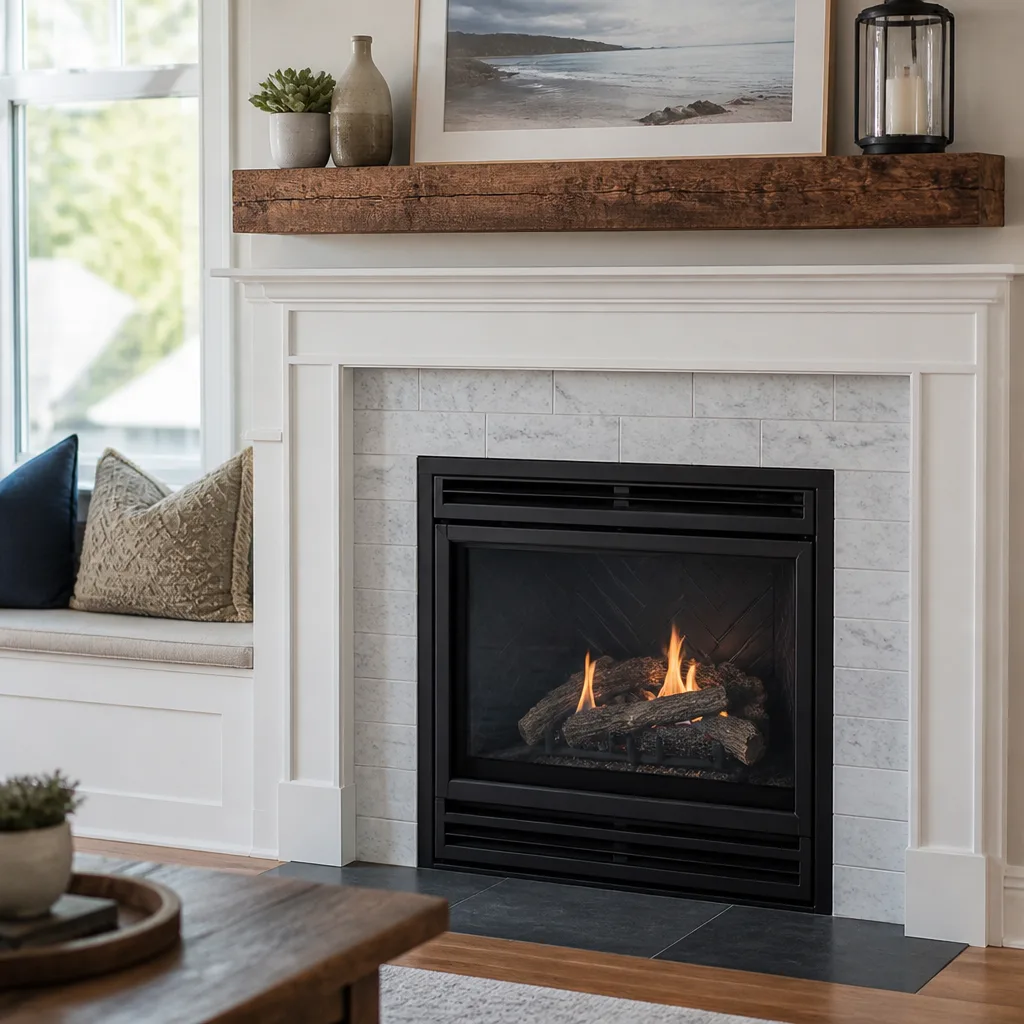 Gas fireplace service
Level 1 sweep and inspection to the NFPA 211 annual standard - flue, crown, cap, and flashing checked and photographed
Chimney sweep logs do not sweep chimneys. They loosen some creosote - which then falls where a brush and vacuum still have to collect it.
Choosing the Right Chimney Cleaning Brand: A Buyer’s Guide for Pleasant Grove
Two liners can look identical on the outside and behave nothing alike in a flue. The stainless grade, the wall thickness, the corrugation, the joint system, the cap gauge, the crown mix: those are what decide whether a chimney system lasts through years of wood smoke and North Texas weather swings. Most homeowners never see this side of the trade. They hear a recommendation, nod, and hope the contractor’s choice was made for their fireplace instead of for the contractor’s inventory. This guide gives you the framework to tell the difference. You’ll learn the product categories you might be offered in Pleasant Grove, the professional-grade brands behind them, and the exact questions to ask before you approve a single repair.
Quick Answer
The best chimney products for a Pleasant Grove home are professional-grade components matched to your appliance and flue, not retail substitutes. That means a flexible or rigid stainless liner system rated for your fuel type, a resurfacing compound engineered for smoke chambers, a properly gauged cap, and a crown mix that holds against rain and sun. Brands like DuraFlex, Olympia Chimney, HeatShield, and Copperfield show up repeatedly because certified professionals use them, not because a warehouse had a pallet left over. A written inspection first, then a brand-matched repair.
Styles & brands we work with
- Sweep & inspection
- Caps & crowns
- Flue relining
- Masonry repair
- Gas fireplace service
Table of Contents
- What product categories will a contractor actually recommend?
- Flexible liner systems: DuraFlex and what to know about stainless grades
- Rigid liner systems: when Olympia Chimney makes more sense
- HeatShield: resurfacing instead of full replacement
- Caps, dampers, and flashing: what trade-grade really means
- The questions to ask any chimney contractor
- Why this matters in Pleasant Grove specifically
- How Chimney Sweep Pleasant Grove handles product selection
What product categories will a contractor actually recommend?
Before anyone names a brand, understand the part. Chimney work is a small set of categories, and each one solves a different problem. When a technician recommends a product, they’re usually naming a fix for one of these layers of your system. If you can’t place the recommendation in a category, ask which one it belongs to.
- Flexible liner systems – corrugated stainless steel tubes that reline a flue from top to bottom. Used when tile liners are cracked, pitted, or undersized for the appliance. This is the most common major repair in a wood-burning chimney.
- Rigid liner systems – stainless steel pipe sections, often insulated, used for gas and oil appliances or straight flues where a rigid run is a better fit. Good for appliance efficiency and clearance to combustibles.
- Smoke chamber resurfacing compounds – trowel-applied materials that rebuild a smooth, heat-resistant surface over the chamber above the damper. They close the gaps that masonry brushes and hardware-store mortar leave behind.
- Crown sealants and crown mixes – the material that caps the top of the masonry chimney and sheds water away from the flue opening.
- Chimney caps and dampers – the stainless or copper hood at the top and the damper below it. A cap keeps out rain, birds, and debris; a top-sealing damper shuts the flue tightly when the fireplace is cold.
- Firebox materials – firebrick, refractory mortar, and firebox panels for the chamber where the fire actually sits.
Each of these has a trade-grade version and a retail version. The trade-grade version is specified by the manufacturer for installation by a trained technician with the right tools and clearance requirements. The retail version is what you find on a hardware shelf. They share a name more often than they share a specification. Our Chimney Sweep Pleasant Grove service begins with a documented inspection so the category is identified before any brand is discussed.
Flexible liner systems: DuraFlex and what to know about stainless grades
A flexible stainless liner is the most common way to restore a failing chimney flue. DuraFlex is one of the professional-grade names you’ll hear from a certified technician because the manufacturer builds it specifically for relining, with systems for wood-burning fireplaces, inserts, and gas appliances. What matters to you is less the brand and more the stainless grade of the product inside your flue. This is where retail substitutes and trade-grade liners part ways.
Two stainless grades dominate the market. Here’s the practical difference:
- 304 stainless – a general-purpose grade. Used for wood-burning appliances and for gas or oil appliances where the flue environment isn’t corrosive. A good choice when the fuel type allows it.
- 316 stainless – a higher alloy with molybdenum added for corrosion resistance. Preferred for gas appliances, oil appliances, and any flue that sees more moisture or acidic condensation in the exhaust. Higher cost, longer service life in the right situation.
Fuel type is what decides the grade, not the price tag. A wood-burning fireplace in Pleasant Grove usually lands on 304 because its exhaust is dry and hot. A gas appliance often needs 316 because gas exhaust carries moisture that will eat through a lower grade in a few short years. A technician who recommends 316 on a wood-burning insert without a reason, or 304 on a condensing gas appliance without a reason, is worth questioning. The chimney sweep inspection tells you which grade your appliance actually calls for.
What to check before you approve a flexible liner
- Ask what temperature rating the liner is designed for and whether that rating matches your appliance’s maximum flue temperature.
- Confirm the stainless grade: 304 or 316. Ask why that grade fits your fuel.
- Ask whether the liner will be insulated and how the installer will handle the clearances to combustibles around your chase.
- Ask who backs the warranty: the manufacturer, the installer, or both. A manufacturer warranty that survives a change of contractor is worth more than a verbal promise.
- Ask for the manufacturer documentation for the specific product being installed, not just a generic brochure.
Rigid liner systems: when Olympia Chimney makes more sense
Rigid liner systems are stainless sections joined into a straight run rather than a continuous flexible tube. Olympia Chimney is a name you’ll encounter in this category because the manufacturer builds rigid systems for gas, oil, and solid-fuel appliances. Rigid liners aren’t a default choice. They’re a fit for specific situations, and knowing when one is called for keeps you from over-paying for a flexible system you didn’t need or getting stuck with a rigid run that didn’t match your flue.
Rigid liners usually make sense when:
- The flue is straight from appliance to cap with no offsets or bends to negotiate.
- The appliance is gas or oil, and the manufacturer specifies a rigid connector and termination for that appliance.
- You want an insulated run inside a masonry chimney with predictable clearance to the surrounding materials.
- You’re replacing an undersized flue with a properly sized one and prefer a straight section-lined run.
Flexible liners win when the flue has a bend, an offset, or a tight path around an insert. The technician should measure and inspect the flue before recommending one over the other. A fifteen-minute visual check isn’t enough. The recommendation should come from an inspection that documents the flue shape and condition, which is exactly what our chimney sweep and inspection service produces.
HeatShield: resurfacing instead of full replacement
HeatShield is the professional standard for resurfacing damaged clay flue tiles and smoke chambers. It’s a ceramic-based material applied as a paste that adheres to the existing flue lining, hardens, and becomes structurally sound. This is a real alternative to a full liner replacement, and it’s the option many sweep-only competitors simply don’t offer because they don’t carry the product or the certification to apply it. In practical terms, it often saves the homeowner thousands of dollars when the damage is moderate rather than total.
What HeatShield does:
- Bonds to existing clay tile – it fills cracks, spalls, and open joints, restoring a smooth flue surface without adding a stainless liner inside the existing one.
- Rebuilds the smoke chamber – the sloped chamber above the damper gets a troweled-on surface, closing the gaps that harbored creosote and let heat reach the framing.
- Improves draft and reduces fire risk – a smoother flue with fewer edges means less creosote accumulation and easier sweeping.
- Keeps the existing footprint – no cutting, no fitting a new termination, no reworking the cap.
HeatShield isn’t a substitute for a liner when the tiles are gone, the flue is the wrong size, or there have been physical breaks. A structural failure means the flue needs a new liner. But when the tiles are there and degrading, resurfacing is a legitimate, long-life repair. It’s not the same as a tub of fireplace mortar from a big-box aisle, no matter what a salesperson says. If the recommendation is HeatShield, ask the technician what they’re trying to solve with it: flue joint sealing, smoke chamber rebuild, or both. Our fireplace repair work includes resurfacing decisions like this.
Caps, dampers, and flashing: what trade-grade really means
A chimney cap costs less than a liner and does more long-term work for most homeowners. It keeps out rain, birds, and squirrel nests, and it keeps embers off your roof. The difference between a trade-grade cap and a hardware-store version is the gauge of the stainless, the finish, the method of fastening, and the warranty behind it. Copperfield is a professional-grade supplier in this category, and the caps it produces compare to retail substitutes the way a stainless liner compares to a galvanized one.
Trade-grade components in this layer of the system:
- Caps – heavier gauge stainless or copper, welded or riveted with the correct fasteners, sized to your flue opening and matched to the crown footprint.
- Top-sealing dampers – a stainless plate at the top that opens and shuts from inside the firebox. Shuts the flue tight when the fireplace is cold.
- Flashing – the sheet metal or lead collar that seals the chimney to the roof. A trade-grade flashing is compliant with the local roofing practice and won’t split after a few North Texas seasons.
- Crown material – a proper crown mix, not hardware-store mortar. The crown is the first line of defense against water working into the masonry.
The cap and crown are the top of your chimney system and the most common source of slow water damage to the masonry below them. Famco and Copperfield both supply professional-grade components in this layer, and the technician should be able to tell you which one they’re installing and why. Our chimney cap & crown service exists because sweep-only companies routinely skip this layer.
The questions to ask any chimney contractor
These are the questions that separate a job you’ll live with comfortably for years from a job you’ll be redoing in five. Ask them before you sign, and don’t accept a vague answer. A technician who knows the products will answer them plainly. A technician who is guessing will change the subject.
- What liner system are you installing, and what’s its temperature rating for my appliance? The answer should name a specific product and a specific rating, not “it’s the standard one.”
- Is that a 304 or 316 stainless product? If they don’t know offhand, they shouldn’t be recommending a liner. Ask why the grade matches your fuel type.
- What’s the warranty, and who backs it? A manufacturer warranty that transfers with the home is worth more than a verbal promise from the installer. Ask to see the manufacturer’s literature.
- Will I get a written inspection report with photos? The recommendation should be tied to something you can see. A verbal “you need a liner” is not an inspection.
- Are you certified to apply the product you’re recommending? HeatShield and professional liner brands come with installation standards. A technician who isn’t trained on the product is guessing.
- What was the last job like this you did? Not for proof-of-number reasons, but because a technician who has done this specific repair before can describe the process and what goes wrong when it’s done badly. A generalist can’t.
“We document what we find” is the standard to hold any contractor to. If the recommendation isn’t tied to a written finding and a photo you can review, ask for both before scheduling the work.
Why this matters in Pleasant Grove specifically
Pleasant Grove sits in North Texas, which means the chimney in your home deals with a specific set of stresses across the year. Winters are mild, so fireplaces run hard for a few cold weeks and then sit unused for months. That pattern favors creosote that dries and hardens between burns, and it favors moisture working into masonry during long humid stretches when there’s no fire heat to dry it out. A cap and crown that don’t shed water well in Pleasant Grove will cost you more than a bad liner in a colder climate. The weather is easy on pipes. It’s steady on masonry.
The other Pleasant Grove-specific factor is the housing stock. The city has a mix of older homes with original clay-tile flues and newer builds with manufactured fireplaces and factory-built chimneys. Older flues are the ones where HeatShield resurfacing options matter. Newer flues are the ones where a proper stainless liner matched to the appliance matters. A brand recommendation that ignores which kind of home you’re in is a brand recommendation worth questioning.
When you call Chimney Sweep Pleasant Grove, we come out with the inspection equipment and document what we find. Then the recommendation follows. No product names before the inspection, and no repairs you can’t see the reasoning behind. If the finding can wait, we say so. That’s the whole point of the inspection-first approach.
How Chimney Sweep Pleasant Grove handles product selection
We stock and train on six professional-grade chimney brands: DuraFlex, HeatShield, Gelco, Olympia Chimney, Famco, and Copperfield. That roster isn’t a marketing list. It’s the set of brands whose products let us address every layer of your chimney system from the firebox to the crown without sending you to another contractor for the cap. Certified chimney professionals use the same materials. Our technicians have up to 10 years of experience with them.
What that means in practice:
- HeatShield application is part of our service, so resurfacing a degrading flue is an option we can offer when it’s the right call. That’s a repair many sweep-only competitors can’t do.
- DuraFlex flexible liners are available for relines where the flue needs a new lining rather than a resurface.
- Olympia Chimney rigid systems serve the straight-flue and gas-appliance jobs.
- Famco and Copperfield caps, dampers, and flashing cover the top of the chimney properly for long-term protection.
- Gelco crown materials let us rebuild the crown with a proper mix rather than patching mortar.
Five service categories cover the whole system: chimney sweep, chimney cap & crown, fireplace repair, chimney inspection, and chimney repair. When one service finds a problem in another layer, we can address it in the same visit rather than handing you off. That’s the top-to-bottom system approach, and it’s why the brand roster matters.
Common Mistakes to Avoid
- Accepting a brand name without a product specification. “We use the standard durable liner” tells you nothing. Ask for the manufacturer, the model, and the stainless grade. A name without a spec is a sales placeholder.
- Letting a retail liner in a big-box box pass for a trade-grade system. The stainless grade, the wall thickness, and the joint design are different. If the technician pulls a liner out of a shelf carton, ask what the manufacturer’s installation standard requires.
- Skipping the inspection and letting the repair come first. A recommendation without a documented inspection is a guess. Ask for the findings in writing and ask to see the photo of the problem.
- Confusing HeatShield with fireplace mortar. They aren’t the same product and they don’t do the same job. If a contractor proposes patching the smoke chamber with mortar from the hardware aisle, ask for a HeatShield alternative before you approve the work.
- Ignoring the cap and crown because the liner is the expensive line item. A missing or undersized cap in Pleasant Grove means water is working into the masonry every time it rains. The liner is fine. The water damage below the cap is what costs money.
- Taking “lifetime warranty” at face value. Ask who backs it, what it covers, and whether it survives the next owner. A warranty that only lives as long as the contractor’s phone number is worth very little.
- Assuming the technician can size a liner without measuring the appliance. A liner that’s undersized for your appliance is dangerous, and an oversized one wastes efficiency. Sizing is a measurement, not a guess.
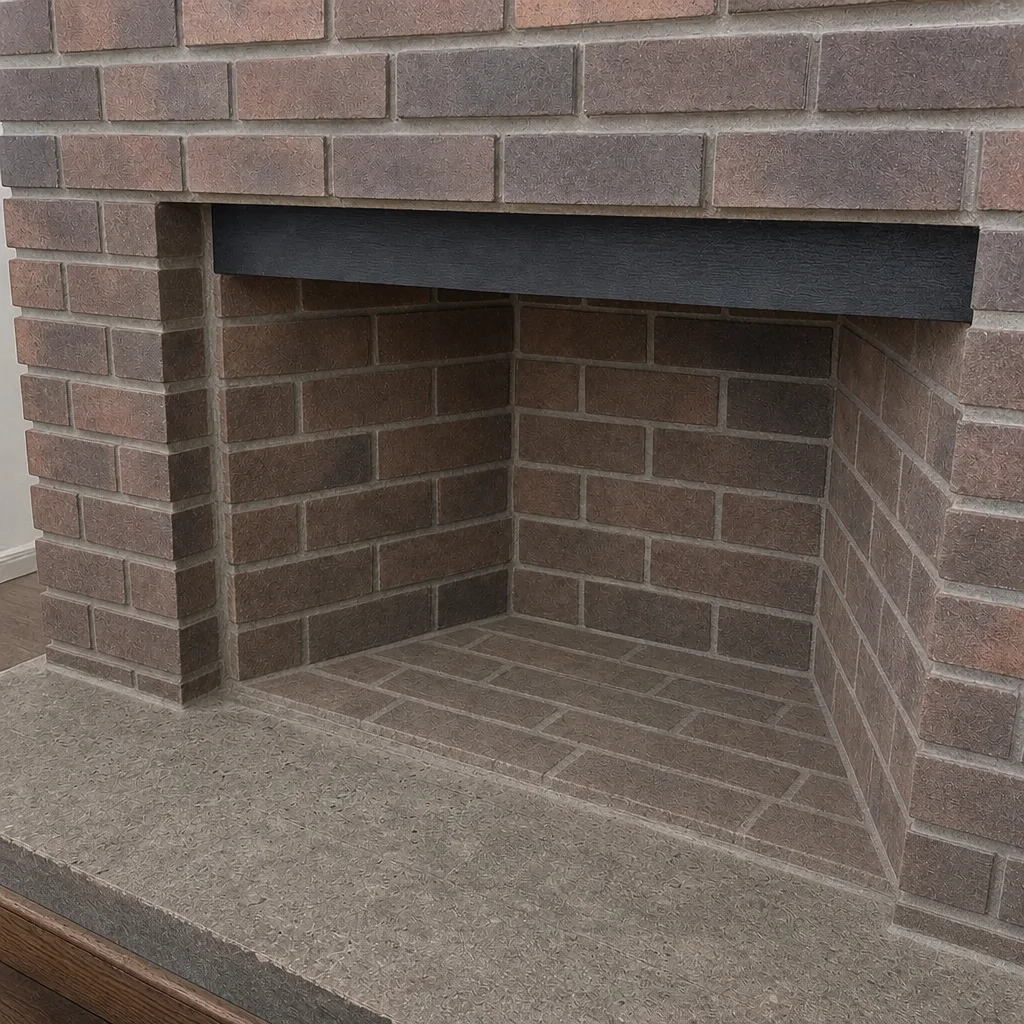
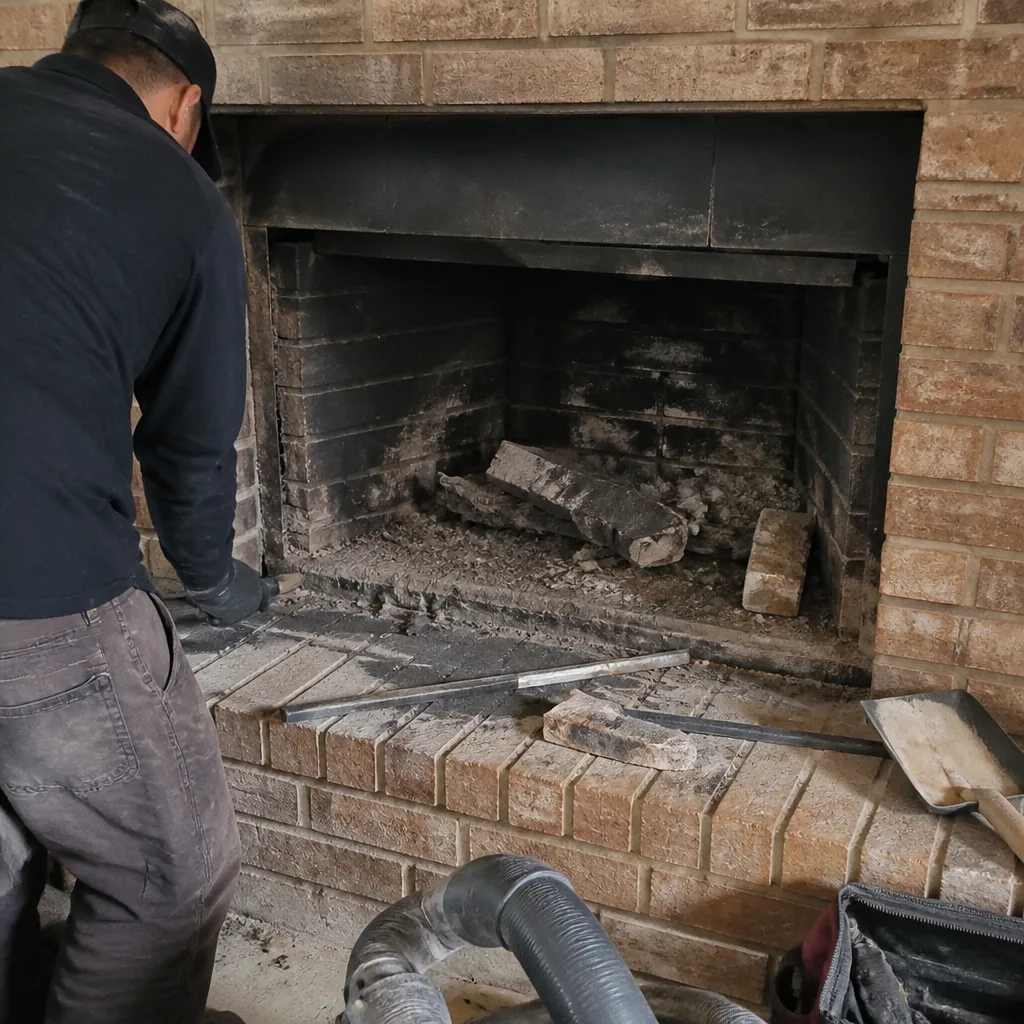
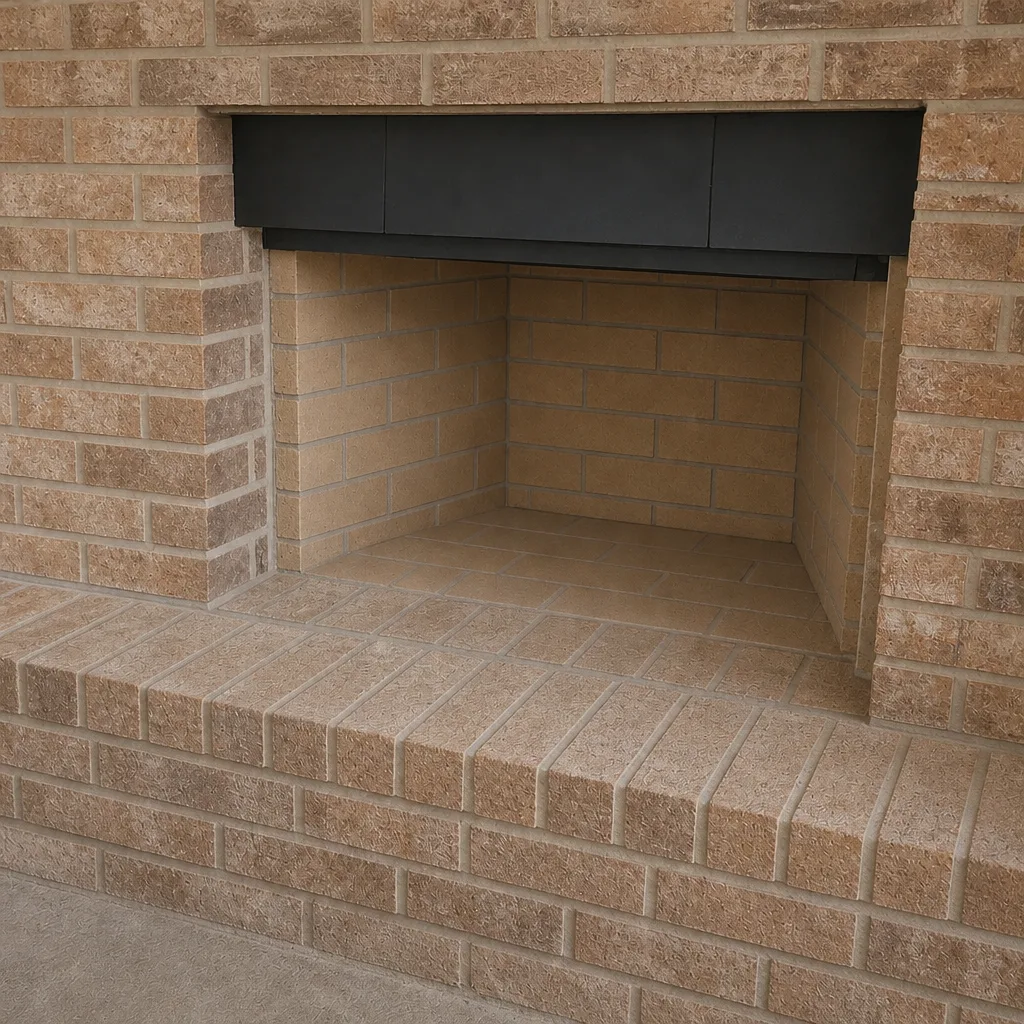
See the difference
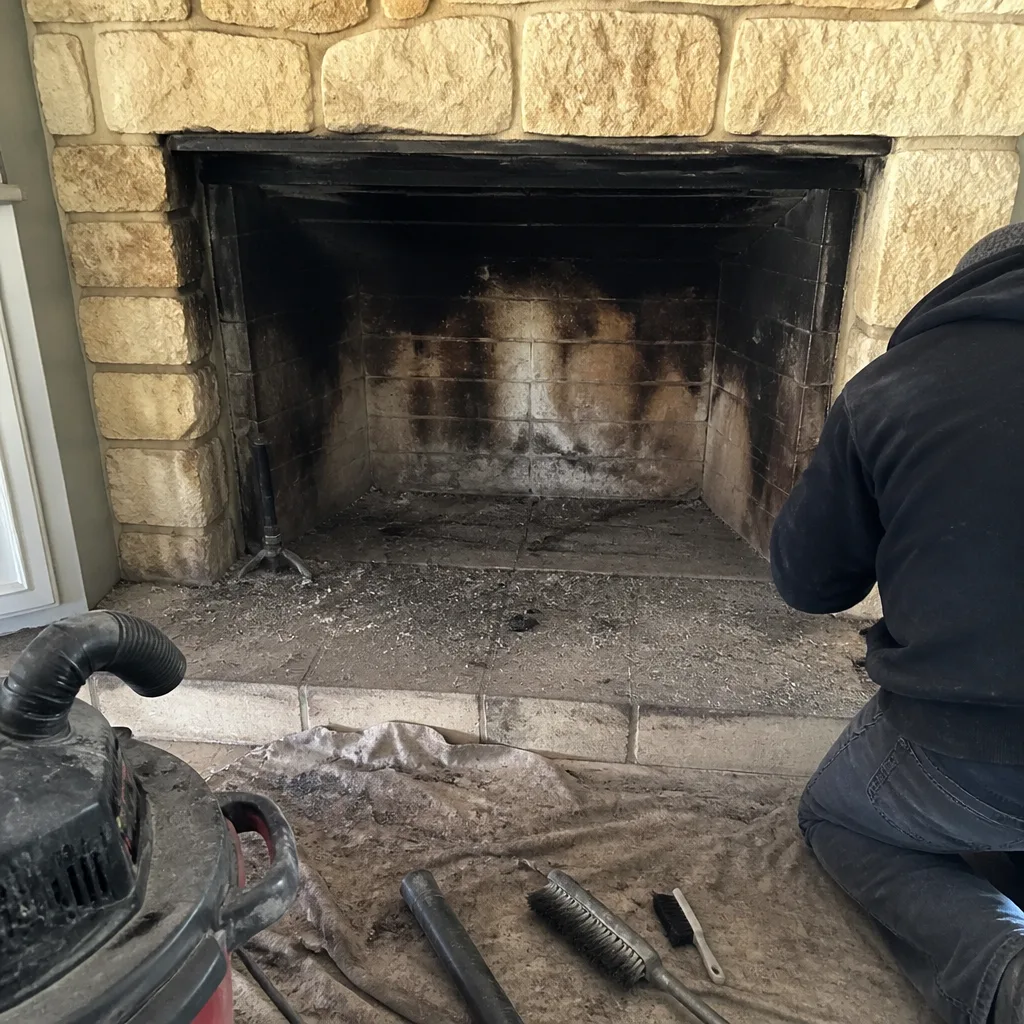 Before
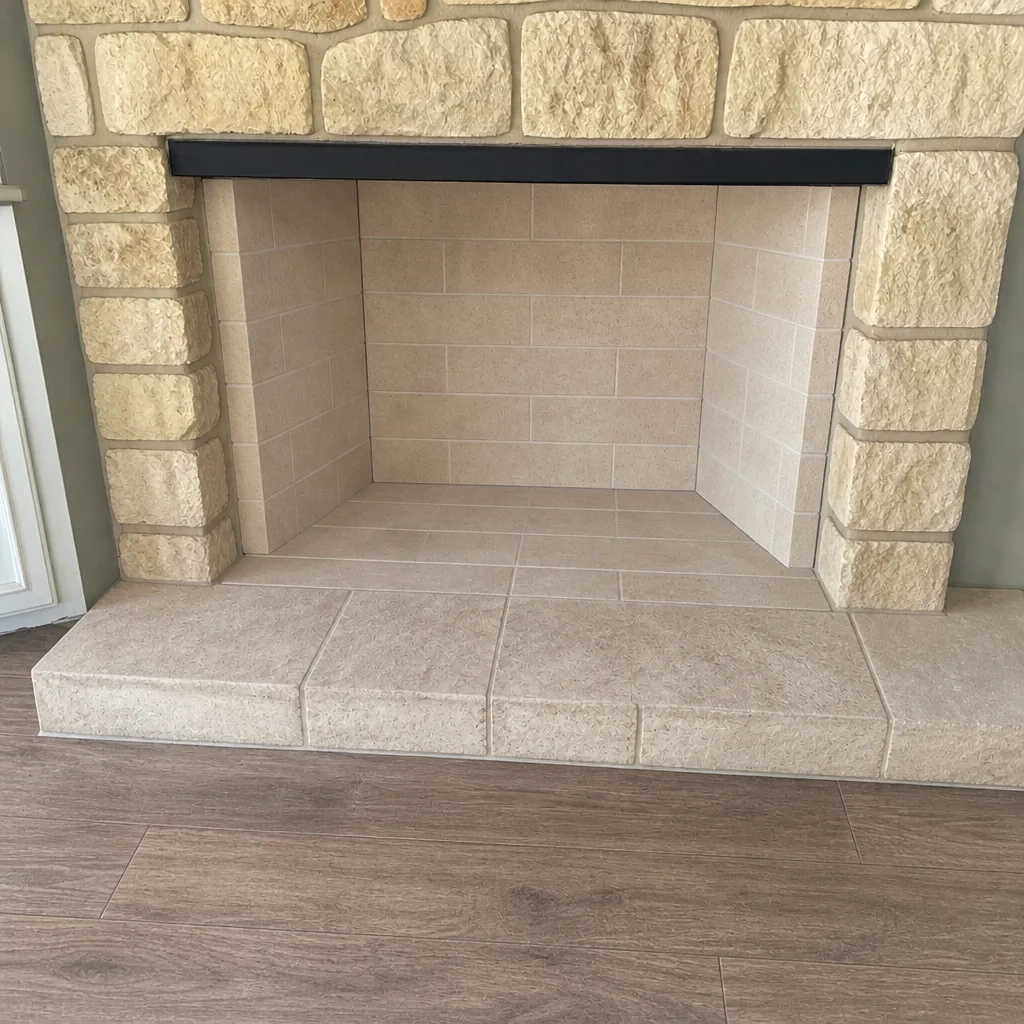 After
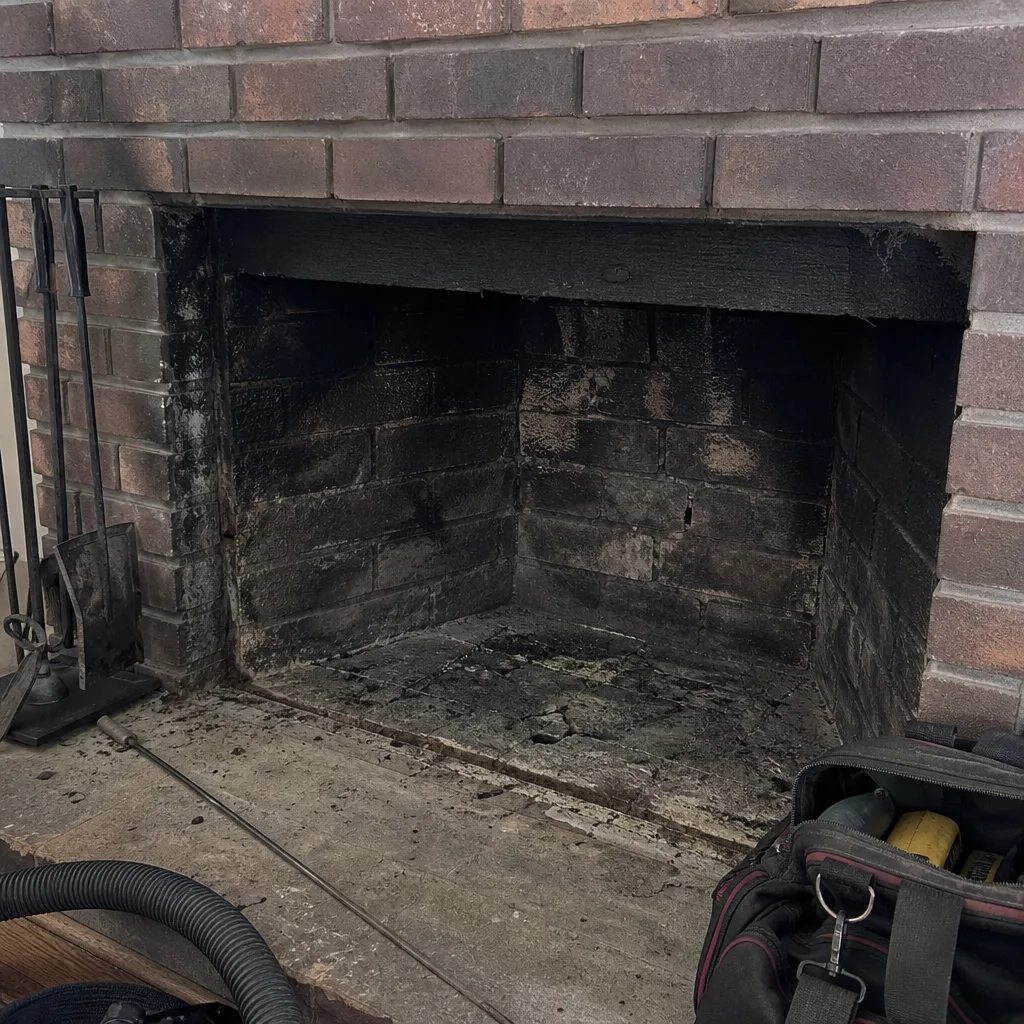 Before
 After
 Before
 After
When to Call a Professional
Call a professional if you smell smoke in the room when the fireplace is lit, if you see cracking or gaps in the firebox bricks, if creosote has built up past a thin glaze, if the chimney cap is missing or dented, if water is coming into the firebox, or if the flue has never been inspected on your watch. If you’re buying a Pleasant Grove home with an older fireplace, a full inspection before closing is worth more than a verbal assurance from the seller. If you’re already hearing the “you need a full reline” line and you’re not sure the recommendation is real, call for a second look with photos. Chimney Sweep Pleasant Grove offers free estimates in Pleasant Grove – call (855) 337-2098. We answer 24/7. Fast dispatch from 7am to 7pm, Sunday through Friday.
Frequently Asked Questions
There isn’t a single best brand; there’s a best product for your appliance and flue condition. Professional-grade names like DuraFlex, Olympia Chimney, HeatShield, Famco, and Copperfield show up in Pleasant Grove for specific reasons: DuraFlex for flexible relining, Olympia for rigid systems, HeatShield for flue and smoke chamber resurfacing, Copperfield for caps and flashing. The brand is downstream of the correct product category and the documented inspection. Call (855) 337-2098 for a free estimate and a specific recommendation tied to your system.
A standard chimney sweep in Pleasant Grove typically runs in the $180 to $320 range, and pricing varies with the number of flues, the height of the chimney, and whether a camera inspection is included. Ask whether the price includes the inspection report before you schedule. Anything below the low end usually means one layer of the system gets skipped. Call (855) 337-2098 for an exact quote for your house – estimates are free.
No. Retail liners and trade-grade liners share the same category name but differ in stainless grade, wall thickness, joint design, and installation standards. A professional-grade flexible liner like DuraFlex is built to be installed by a trained technician to a specific manufacturer standard. Call (855) 337-2098 before you buy a liner off a shelf; a documented inspection will tell you whether you need one at all.
HeatShield is a ceramic-based resurfacing material engineered to bond to existing flue tile and hold up as a structural liner surface; fireplace mortar is a joint compound not designed for that application. In practical terms, HeatShield can restore a degrading flue and save you a full liner replacement when the tiles are still there. Mortar patching won’t. Ask the technician what they’re proposing and why before you approve. Call (855) 337-2098 for a free estimate if you’ve been told you need a liner and want to know if resurfacing is an alternative.
It depends on your appliance and fuel type, not on where you live. 304 stainless is the standard for wood-burning appliances. 316 stainless is preferred for gas and oil appliances and for flues that run wet. A technician should recommend the grade based on fuel, not price. Call (855) 337-2098 to have a technician check which grade your appliance calls for.
An annual sweep and inspection is the standard for a wood-burning fireplace, and a gas appliance should also get an annual inspection even though it produces less creosote. In North Texas, which runs the fireplace in bursts through a mild winter, the dried creosote between burns is the risk to watch. Call (855) 337-2098 to schedule an inspection; if the flue is clean, we say so and skip the sweep.
Creosote builds up and dries into a hard, flammable layer, and the flue tile cracks underneath without any visible sign inside the house. The risk is a chimney fire in the flue and carbon monoxide leaking through cracks into the living space. Neither is worth skipping a sweep for. Call (855) 337-2098 for a free estimate; a clean inspection is cheap insurance against a much more expensive repair.
The Bottom Line
Chimney products are not interchangeable. The brand matters, but the stainless grade, the wall thickness, the temperature rating, and the installation standard behind the brand matter more. Ask the four questions: what product, what grade, what warranty, and who backs it. Insist on a documented inspection before any product is recommended, and hold out for a written report that ties the repair to a finding you can see. That’s how you avoid paying for a brand the contractor happened to have and get a product your Pleasant Grove chimney will actually live with. If the inspection says the repair can wait, wait.
Chimney Sweep Pleasant Grove offers free estimates in Pleasant Grove. Call us at (855) 337-2098. We answer 24/7. Fast dispatch from 7am to 7pm, Sunday through Friday. We’ll document what we find and tell you plainly whether the fix is a resurface, a liner, a cap, or nothing at all.
Written by the team at Chimney Sweep Pleasant Grove.