
Last updated November 25, 2026
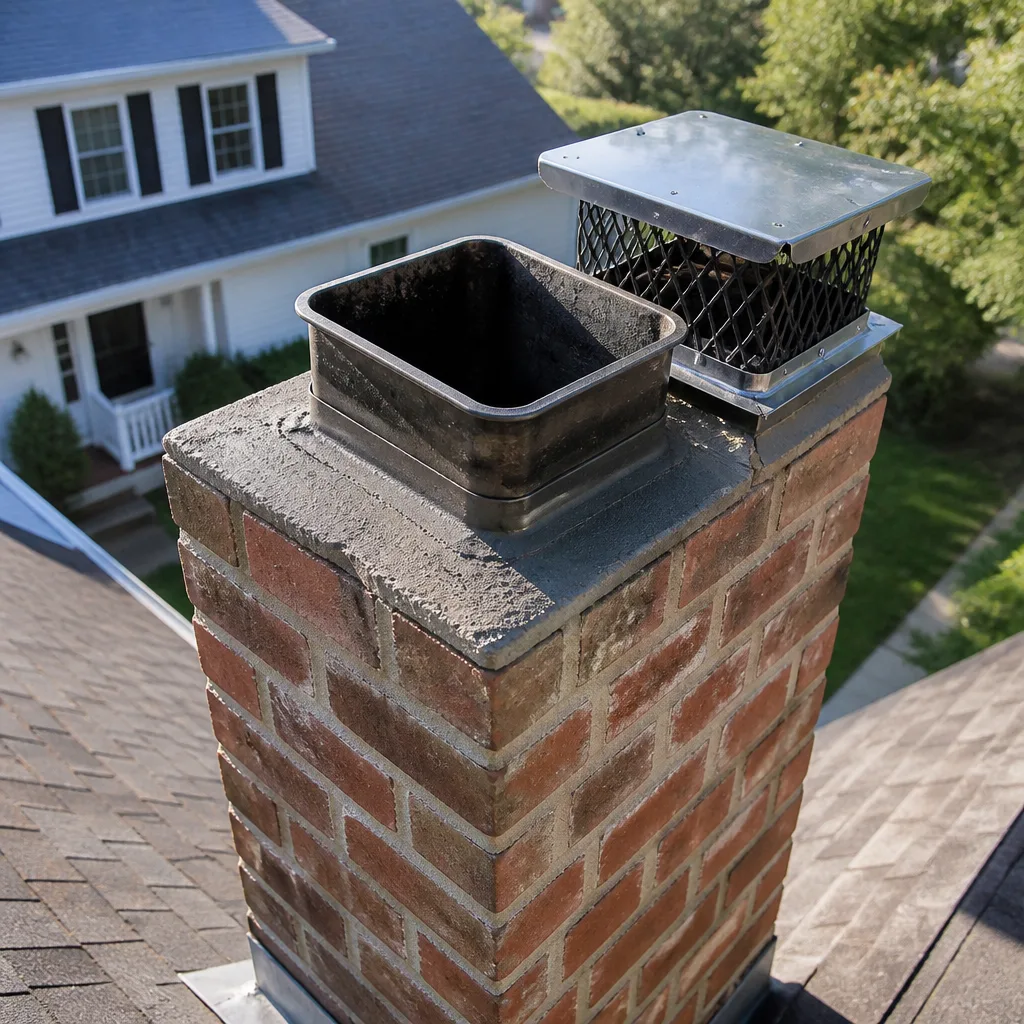 Sweep & inspection
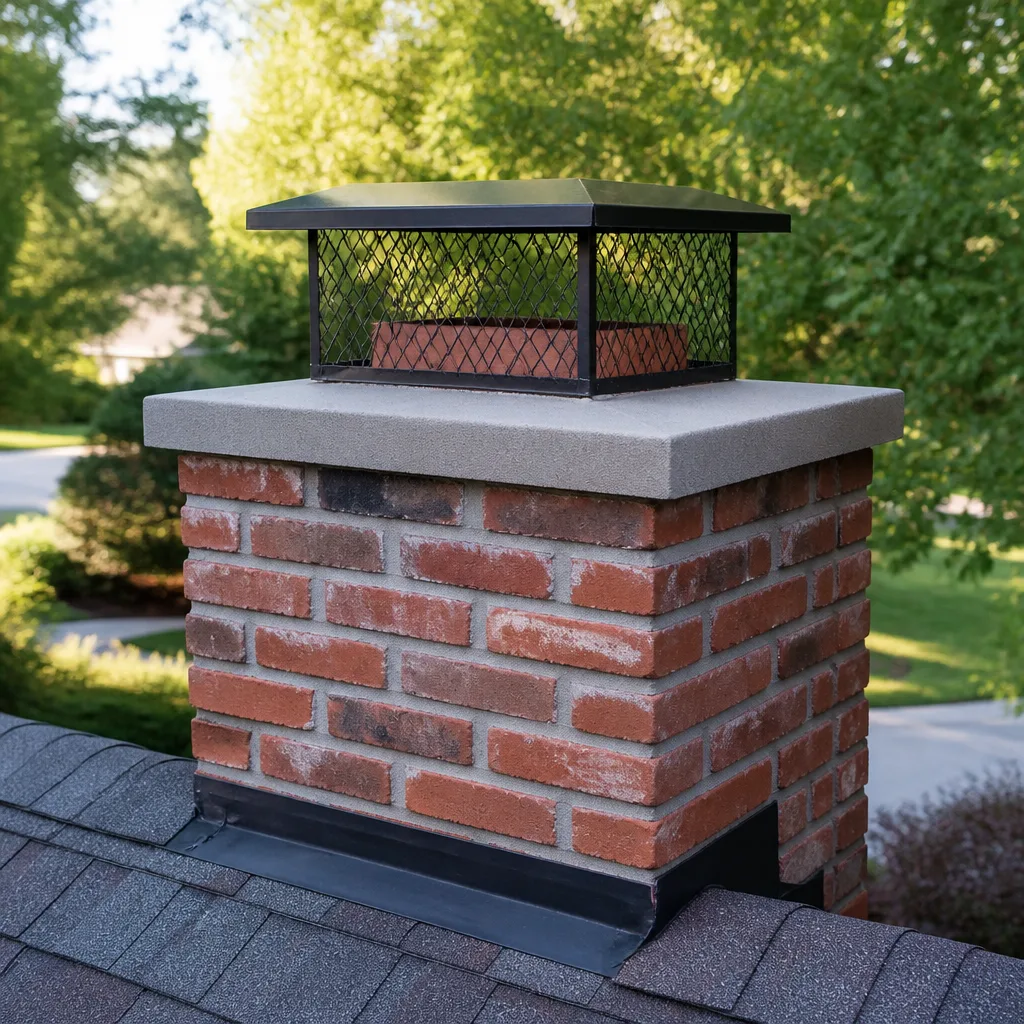 Caps & crowns
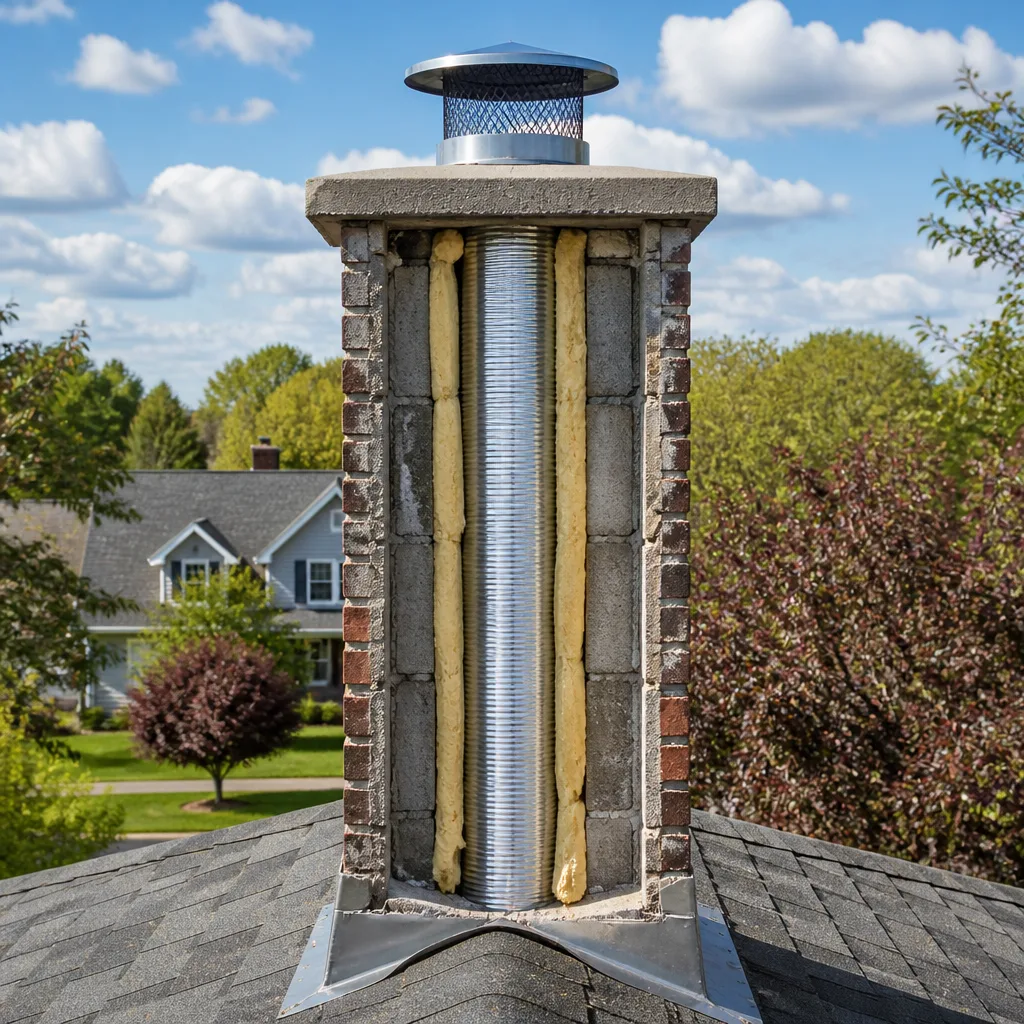 Flue relining
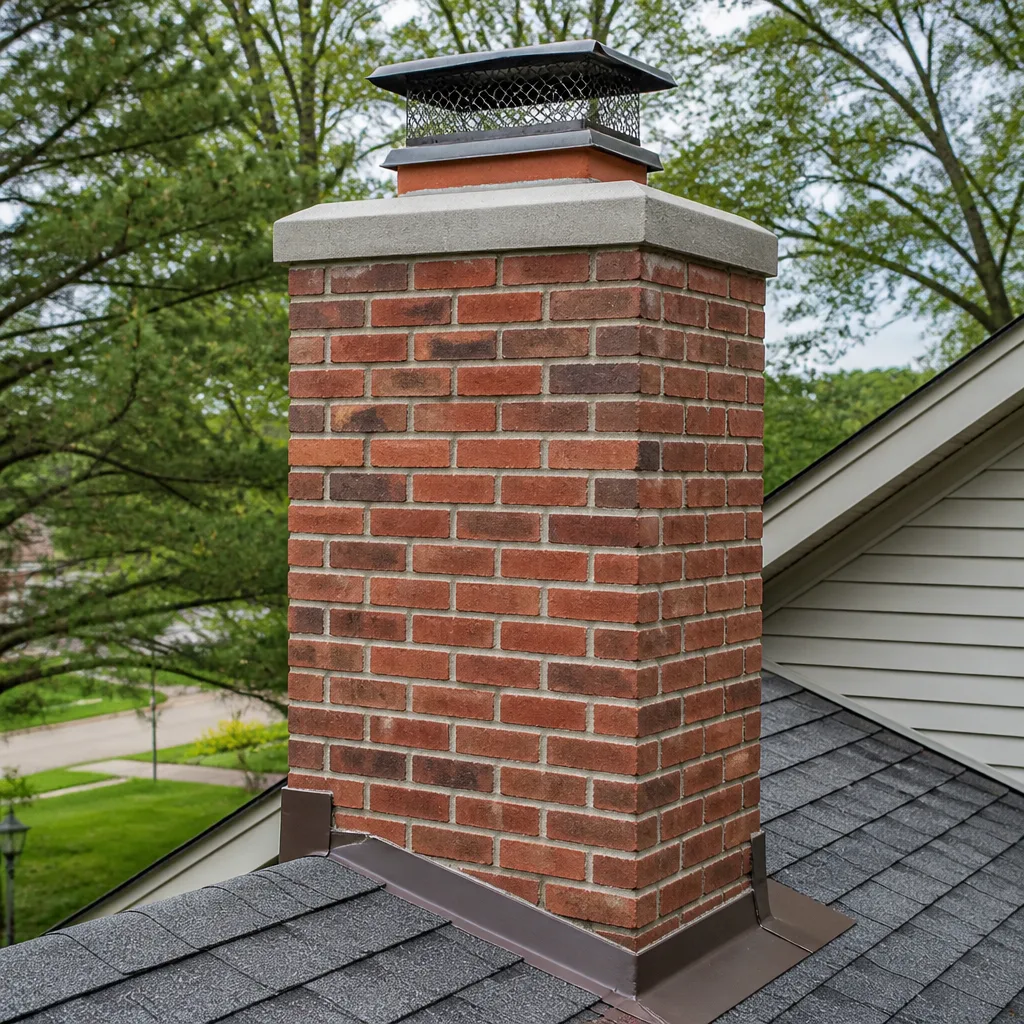 Masonry repair
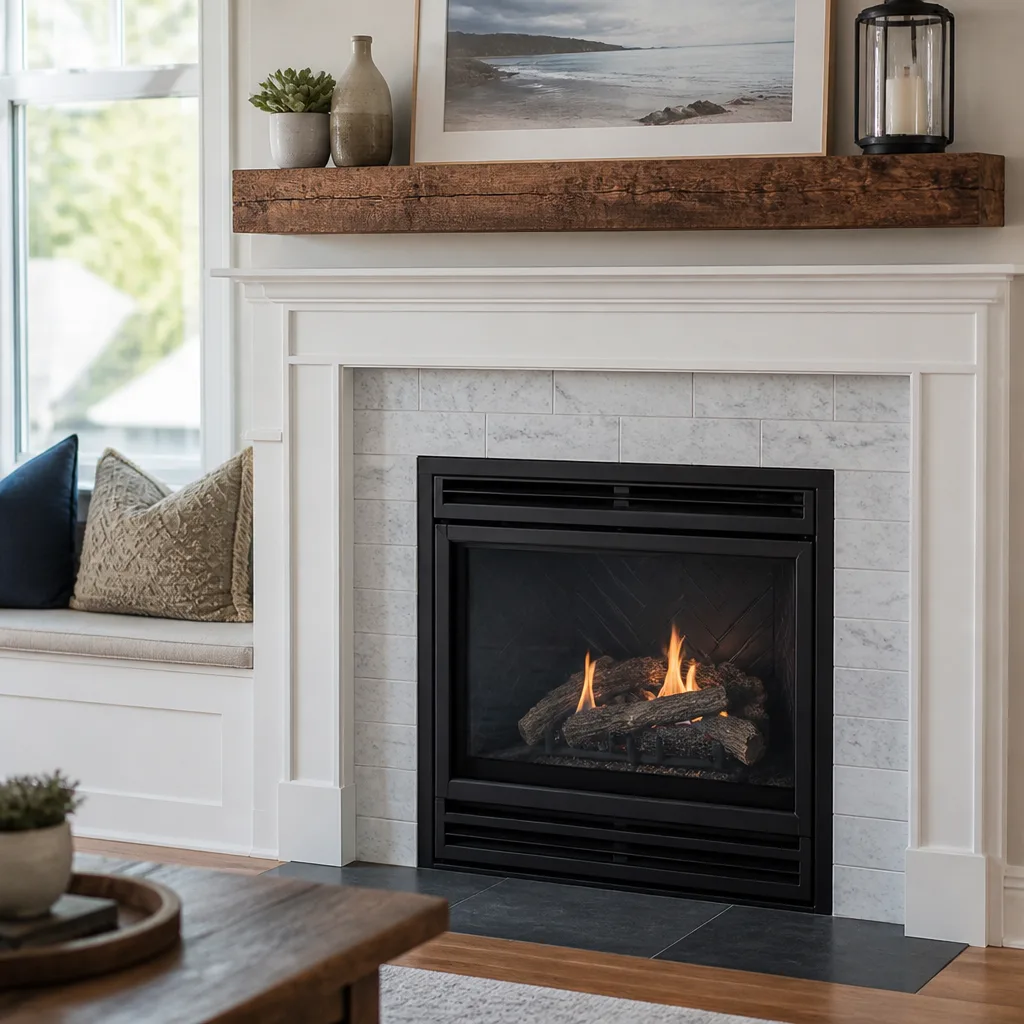 Gas fireplace service
Level 1 sweep and inspection to the NFPA 211 annual standard - flue, crown, cap, and flashing checked and photographed
Chimney sweep logs do not sweep chimneys. They loosen some creosote - which then falls where a brush and vacuum still have to collect it.
Chimney Cleaning Warning Signs: A Pleasant Grove Homeowner’s Reference Guide
Most chimney problems don’t announce themselves with flames or a collapse. They show up as a fireplace that smokes a little into the room now and then, a chimney that smells musty by the time summer arrives, or a damper that takes a shove to close. In an old Pleasant Grove house, these get written off as quirks of age. They aren’t. Each one is a diagnostic signal with a specific mechanical cause, and most of those causes get worse in a predictable direction if you leave them alone. This guide decodes the warning signs we look for, separates the cosmetic from the hazardous, and tells you what to do about each one. You’ll learn what to watch from inside, what only shows up outside, and how to judge when a fireplace is safe to use and when it isn’t.
Quick Answer
The main chimney cleaning warning signs are smoke rolling back into the room, a strong acrid or oily smell from the fireplace, soot falling onto the hearth, a damper that sticks, and visible exterior problems like white staining, a cracked crown, or a loose cap. Any of these can point to creosote buildup, a blockage, water getting into the masonry, or a damaged flue liner. Signs like smoke rollout, soot fall, or unusual smell mean stop using the fireplace and get it inspected before your next fire.
Styles & brands we work with
- Sweep & inspection
- Caps & crowns
- Flue relining
- Masonry repair
- Gas fireplace service
Table of Contents
- Warning Signs You Can Spot From Inside the Home
- Warning Signs That Require an Exterior Inspection
- A Severity Tier System: Schedule Soon vs. Stop Using vs. Call Now
- The Carbon Monoxide Risk Pathway: What a Cracked Liner Actually Does
- Warning Signs That Follow North Texas Storm Seasons
- Mapping Each Sign to Its Root Cause
- Why Your Fireplace Is Only as Safe as Its Weakest Component
- Common Mistakes to Avoid
Warning Signs You Can Spot From Inside the Home
Start with the room where you actually burn wood. The signs you can see from the hearth are the earliest indicators most homeowners get, and they’re easy to read once you know what each one means. We document what we find on every inspection, and the majority of serious issues we uncover started as something a homeowner noticed from the couch and shrugged off.
- Smoke rolling back into the room. A well-drafted chimney pulls smoke up and out. When smoke spills into the room instead, the cause is usually one of two things: a blockage in the flue (creosote, a bird nest, a fallen cap) reducing the available passage, or a downdraft where outside air pushes back down the chimney. Both mean the chimney isn’t venting as designed.
- An oily, acrid smell. If your fireplace smells sharp and chemical rather than like old ash, that’s creosote off-gassing. Stage 2 and stage 3 creosote are denser, tar-like deposits, and they release fumes, especially in warmer weather. When the smell is strong enough to notice from another room, the deposits are substantial.
- A musty smell in summer. Musty means damp. In summer, that damp often comes from water that got into the chimney during spring rains and never dried out, which points to a cap, crown, or flashing problem at the top.
- Soot falling onto the hearth. Falling soot or black flakes usually signals loose, deteriorated deposits breaking free inside the flue, or a liner that’s failing and shedding material.
- A damper that sticks or won’t seal. The damper is part of the fireplace structure, and when it warps, rusts, or jams, you lose control of the draft. That’s a fireplace repair issue more than a cleaning one, but it’s worth flagging in the same visit.
If more than one of these shows up at once, treat it as a pattern rather than a coincidence. A smoking fireplace that also smells acrid is telling you the flue is both obstructed and heavily coated.
Warning Signs That Require an Exterior Inspection
Half the story lives above the roofline, and that’s the half most homeowners never see. From the ground or a ladder, or during a proper inspection, look for these exterior signals. They tend to be the ones that get missed for years because nobody’s looking up.
- White staining on the exterior masonry. That chalky white residue is efflorescence, and it’s the footprint of water moving through the brick and evaporating out. Efflorescence means active water infiltration, not a stain to scrub off. Find the source or it keeps coming back.
- Cracks in the crown. The crown is the concrete cap at the very top that sheds water away from the chimney. Hairline cracks let water in, and water in the crown is water in the masonry below it.
- A missing or loose cap. The cap keeps rain, birds, and debris out of the flue. When it’s gone or rattling, everything the sky sends down goes straight into your chimney.
- Damaged flashing. The metal where the chimney meets the roof is a common leak point. Lifted, rusted, or separated flashing lets water run down into the attic and wall cavities.
- Crumbling mortar joints, especially near the roofline. Soft, recessed, or falling-out mortar points to prolonged moisture exposure. It’s often most visible where the chimney passes the roof edge.
This is exactly the layer our chimney cap & crown work addresses. Water is the slowest and most expensive chimney problem there is, and the cap and crown are where you stop it. Our technicians have up to 10 years of experience reading these exterior signs and tying each one to the specific component that fixes it.
A Severity Tier System: Schedule Soon vs. Stop Using vs. Call Now
Not every warning sign is an emergency, and treating them all the same leads to either panic or complacency. Here’s how we sort them, and how you can sort them yourself before anyone comes out. The goal is to match your response to the actual risk.
Tier 1: Schedule a cleaning soon
These signs mean the chimney needs attention but the house isn’t in immediate danger:
- Light, occasional smoke smell when you first light a fire
- Minor soot discoloration around the firebox
- A musty smell you notice mainly in warm weather
- Efflorescence that’s just starting to appear
A blocked or heavily loaded flue doesn’t get better on its own. Book a cleaning and inspection, and don’t put it off past the season.
Tier 2: Stop using the fireplace until it’s inspected
These are signs the chimney may not be safe to operate right now:
- Smoke consistently rolling into the room
- Notable soot or creosote flakes falling onto the hearth
- A strong acrid smell from the fireplace even when it’s cold
- A damper that won’t open fully or seal shut
- Visible white staining combined with a musty interior smell
Stop burning wood until a professional has looked at it. A fire in a compromised flue is how chimney fires start.
Tier 3: Call now
These call for immediate action and no fire until someone qualified has inspected:
- Your carbon monoxide detector sounding or showing a reading
- Soot or debris actually falling in a steady trickle
- Visible damage to the liner or a broken flue tile
- A chimney that’s shifted, leaning, or has large masonry cracks
- A smell of smoke in rooms with no fireplace, suggesting gases are migrating
For anything in this tier, call (855) 337-2098. We answer 24/7. A call outside dispatch hours is booked into the next opening, Sunday through Friday, 7am to 7pm.
The Carbon Monoxide Risk Pathway: What a Cracked Liner Actually Does
Carbon monoxide is the hazard with no visible warning sign. A cracked or deteriorated flue liner lets combustion gases, including CO, escape the flue and migrate into the space around the chimney, which can be a wall cavity, an attic, or directly into a living space. You won’t smell it or see it. The only reliable notice you get is a working CO detector.
Here’s the pathway in plain terms. Combustion produces gases that are supposed to travel up the flue and out the top. The liner is the barrier that keeps those gases inside the flue passage. When the liner develops cracks, gaps, or missing sections, gases take the path of least resistance, and sometimes that’s sideways into the structure. The same thing happens when a flue is blocked and pressure pushes gases back into the room. In a Pleasant Grove home with an older masonry chimney, the liner is often original clay tile, and clay tile cracks. It’s one of the most common findings in our inspections.
Two practical takeaways:
- Keep a working carbon monoxide detector on every level of your home and near the sleeping areas. It’s your only real-time warning.
- Never treat a cracked liner as a cosmetic issue. It’s a safety issue, and it’s the reason we recommend a camera inspection that shows you the condition of the liner yourself. You shouldn’t have to take our word for it.
Where a liner is damaged, the fix is often a professional-grade flexible liner system. We install DuraFlex flexible liner systems for relined chimneys, and where the tile is deteriorated but salvageable, HeatShield resurfacing can restore the flue without the cost of full replacement. Resurfacing instead of replacing is a real option for the right job, and it’s one many sweep-only shops can’t offer.
Safety note: liner work and anything involving combustion gas pathways should be done by a trained professional. This isn’t a do-it-yourself repair, and a mistake here can turn a small problem into a serious one.
Warning Signs That Follow North Texas Storm Seasons
Pleasant Grove sits in a part of North Texas where spring and summer storms arrive with real force. High winds and heavy rain leave their mark on chimneys, and the signs show up in a fairly predictable order. Knowing the seasonal pattern helps you look for the right things at the right time.
- After high-wind events. The first thing to check is the cap. A cap that’s loose, cocked, or missing means the flue is open to rain and debris. Look at the flashing where the chimney meets the roof, too; wind can lift or tear it.
- After spring rains. Watch the exterior masonry for new efflorescence. White staining appearing after a wet spring is direct evidence that water is getting in and working through the brick. It often shows up before any interior symptom.
- At the roofline, going into fall. Inspect the mortar joints and the crown before burning season begins. Soft or crumbling mortar and hairline crown cracks are easiest to catch from a distance before they’ve had a season to worsen.
The timing matters because of what it prevents. A cap that’s checked after the storm and replaced before fall stops a season’s worth of water damage. A crown crack sealed while it’s still a crack is far cheaper than masonry that’s been soaking for a year. This is preventive work, not reactive repair, and it’s the reason we treat cap and crown as its own service rather than something to get to when there’s time.
Mapping Each Sign to Its Root Cause
The value in a warning sign is knowing what’s behind it. Here’s a quick mapping of the signs we’ve covered to their likely root cause and the level of concern each deserves.
- Smoke rollout → downdraft or flue blockage. Risk level: moderate to high. A blocked flue can push gases back into the room, so this isn’t just an inconvenience.
- Oily or acrid smell in summer → stage 2 to 3 creosote off-gassing, often through liner cracks. Risk level: high. Dense creosote is the fuel a chimney fire burns.
- Musty smell in summer → moisture in the chimney from a cap, crown, or flashing problem. Risk level: moderate. Water damage compounds over time.
- White staining on exterior → active water infiltration. Risk level: moderate. Find the entry point or it returns.
- Soot fall onto the hearth → loose or failing deposits, or a failing liner. Risk level: high. Get it looked at before you burn again.
- Damper difficulty → structural issue in the fireplace itself. Risk level: moderate. Fixes cleanly with the right repair.
- CO detector activation → combustion gases escaping the flue. Risk level: emergency. Ventilate, get everyone out, and call for help.
One sign is a data point. Two or more together is a diagnosis. A smoking fireplace that also smells acrid, or white staining paired with a musty interior, tells a more complete story than any single clue. This is why our chimney sweep visits start with a documented inspection rather than a quick brush and go.
Why Your Fireplace Is Only as Safe as Its Weakest Component
A chimney isn’t a single object. It’s a stack of connected parts: the firebox and damper at the bottom, the flue and liner in the middle, and the crown and cap at the top. Each depends on the others to do its job. The whole system moves smoke and gases up and out while keeping water and weather out. When one piece fails, the failure travels.
A missing cap lets rain in, and that water works its way down through the masonry. A cracked crown lets water into the brick below it. A failed liner lets gases escape sideways. A sticking damper removes your control over the draft. You can’t look at a chimney one layer at a time and get a clear picture, which is why our work covers the whole stack, top to bottom. It’s also why we work with trade-grade components rather than hardware-store substitutes. The cap, the liner, and the fireplace components all have to hold up together, and the materials matter to how long that holds.
We’re stocked and trained on professional-grade brands including DuraFlex, HeatShield, Gelco, Olympia Chimney, Famco, and Copperfield. These are the same brands certified chimney professionals rely on, and using them means a repair at one layer doesn’t create a weak spot at another. If you’ve had a sweep-only company tell you the chimney was fine and then a leak appeared, it’s often because only one layer was ever checked. A chimney sweep in Pleasant Grove that also handles cap and crown, fireplace repair, inspection, and chimney repair can see the whole system in one visit.
Common Mistakes to Avoid
- Treating a smoky fireplace as normal. A little smoke into the room isn’t a quirk of an old house; it’s a drafting or blockage problem. If it happens more than once, get it inspected.
- Ignoring the musty smell until fall. That summer smell is damp masonry, and it won’t fix itself over the winter. Check the cap and crown before the first burn, not after.
- Assuming a clean flue means a safe chimney. Cleaning removes deposits; it doesn’t repair a cracked liner or a failed crown. A sweep without an inspection misses half the picture.
- Skipping the exterior because the interior looks fine. Efflorescence, crown cracks, and mortar problems are invisible from inside. Somebody has to look up.
- Replacing a liner when resurfacing would do. If the flue tile is deteriorated but salvageable, HeatShield application can restore it without full replacement. Ask about it before committing to the bigger job.
- Letting a damaged cap sit through storm season. A loose or missing cap is the most common way water gets into a chimney. Check it after every high-wind event.
- Using a fireplace after a CO detector has gone off. Don’t burn anything until a professional has found and fixed the cause. This is the one sign that’s genuinely urgent.
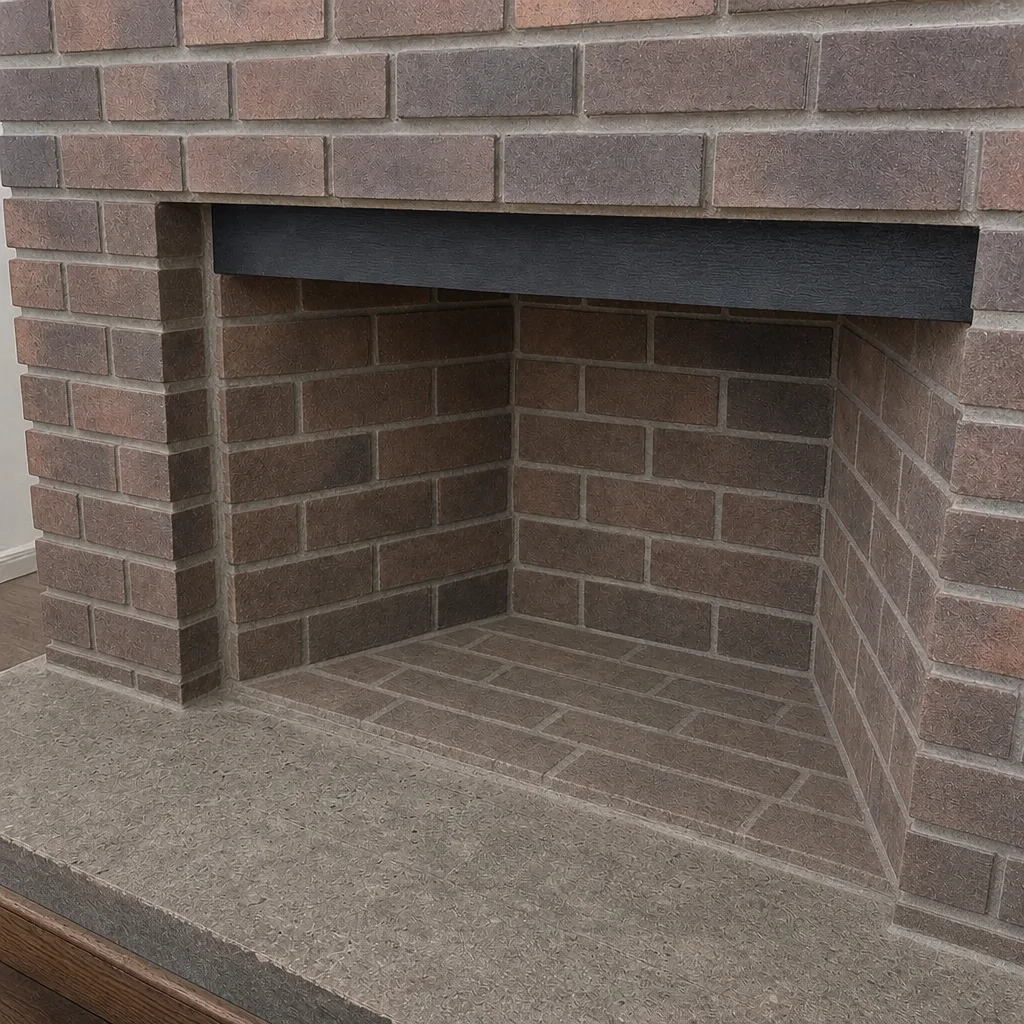
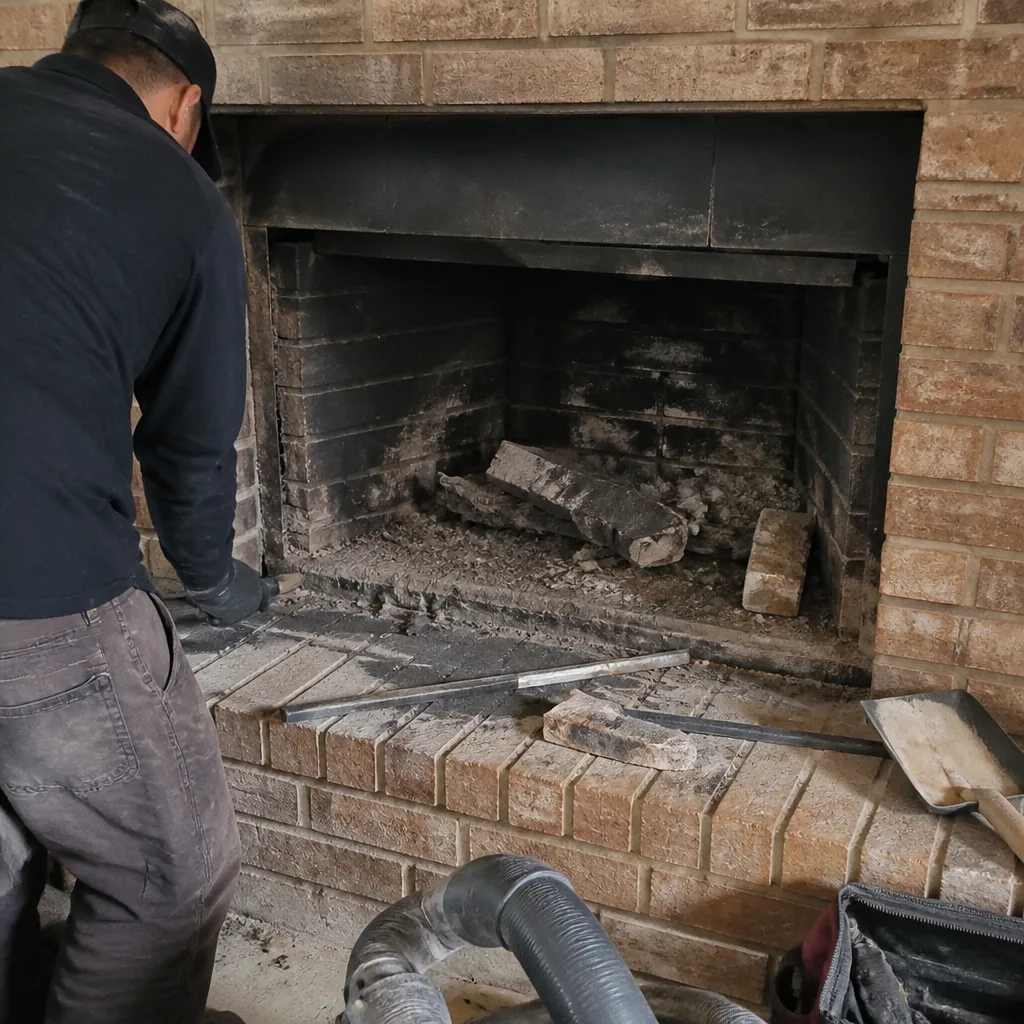
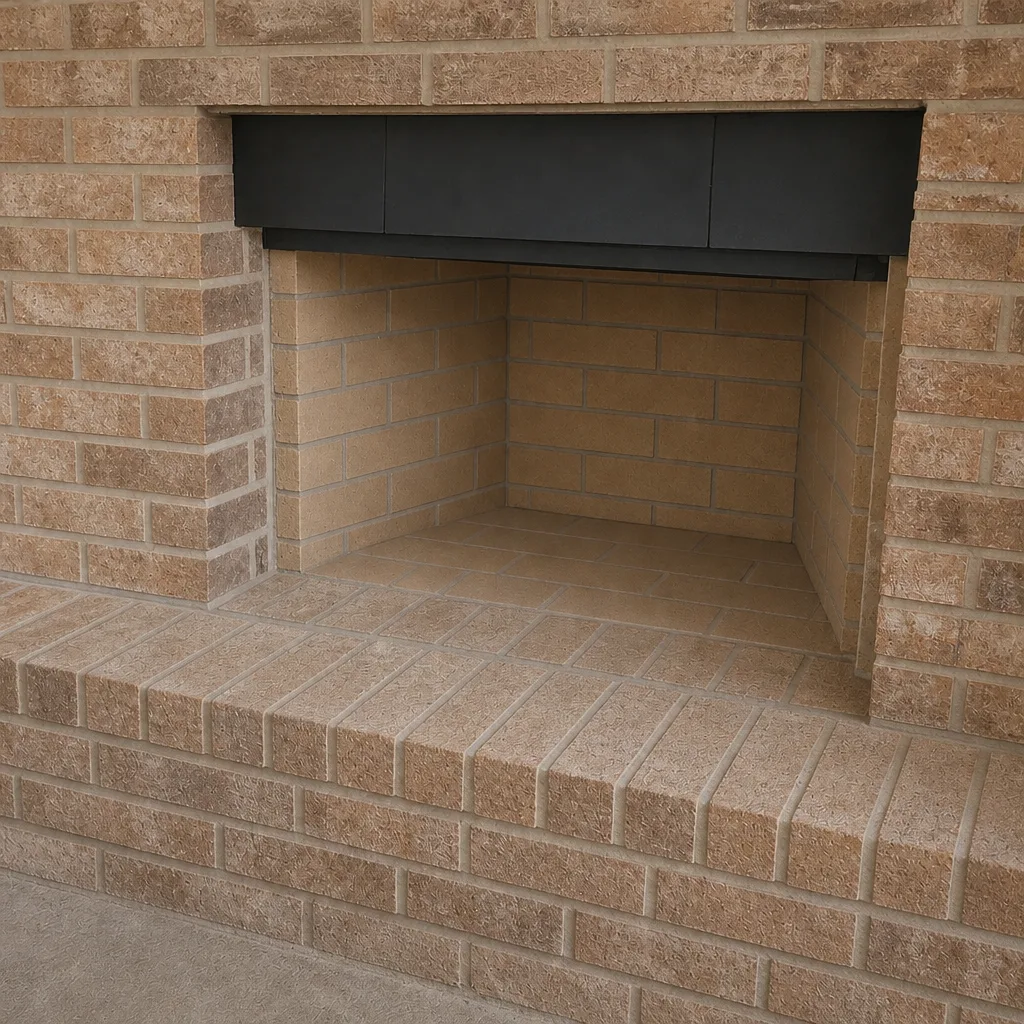
See the difference
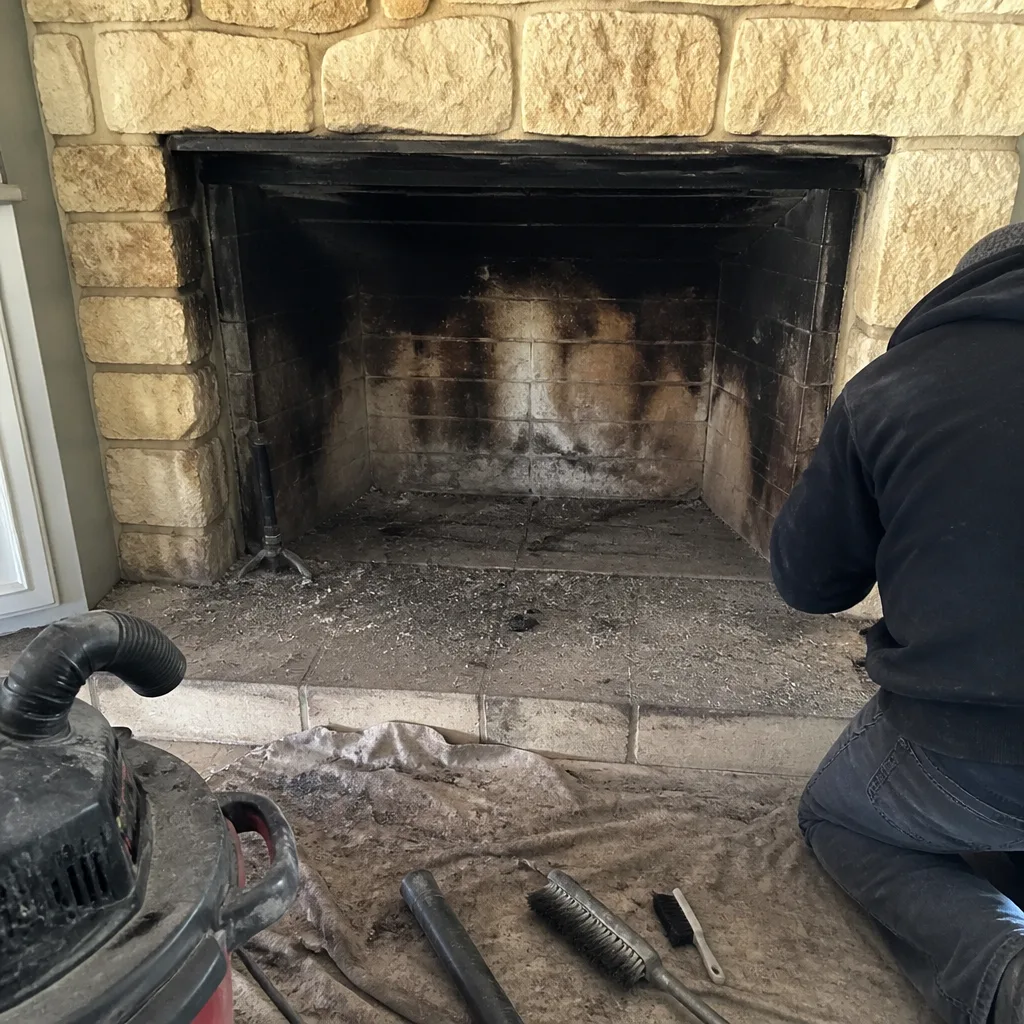 Before
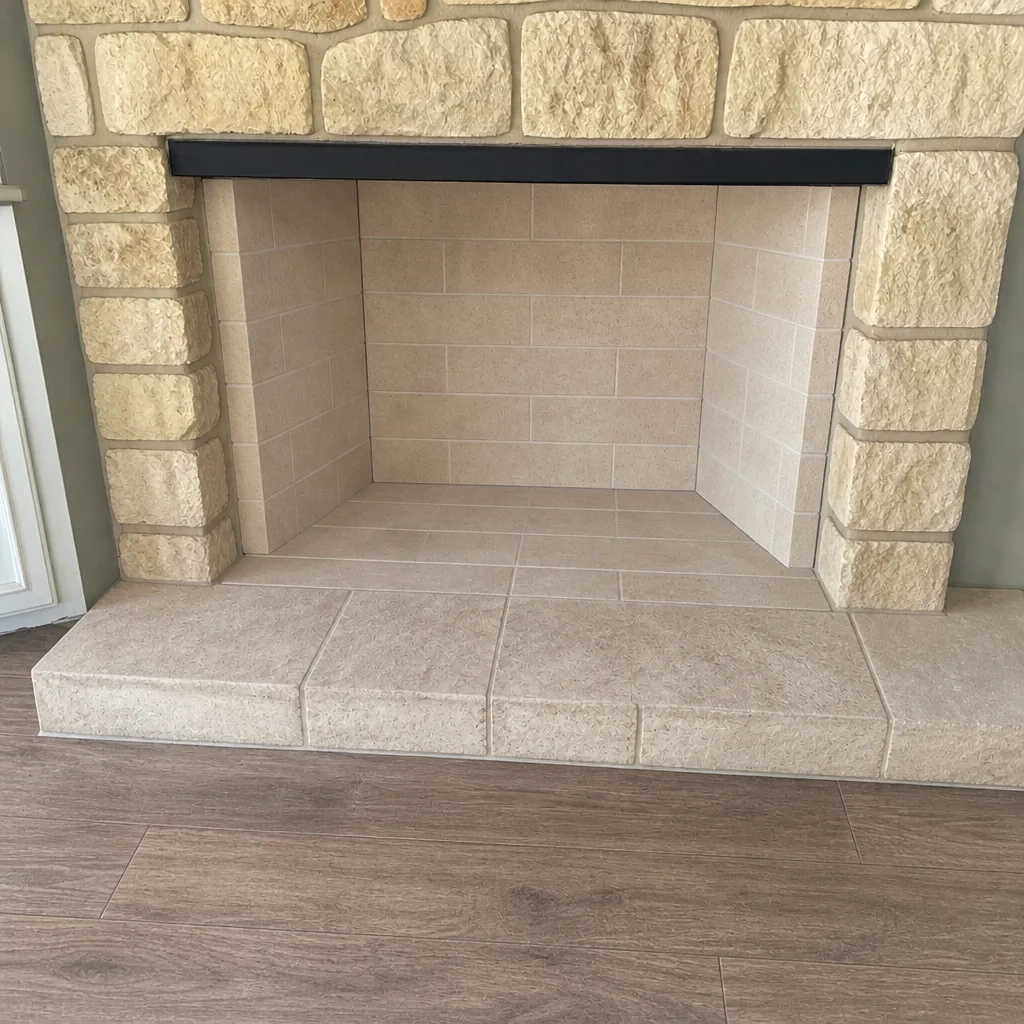 After
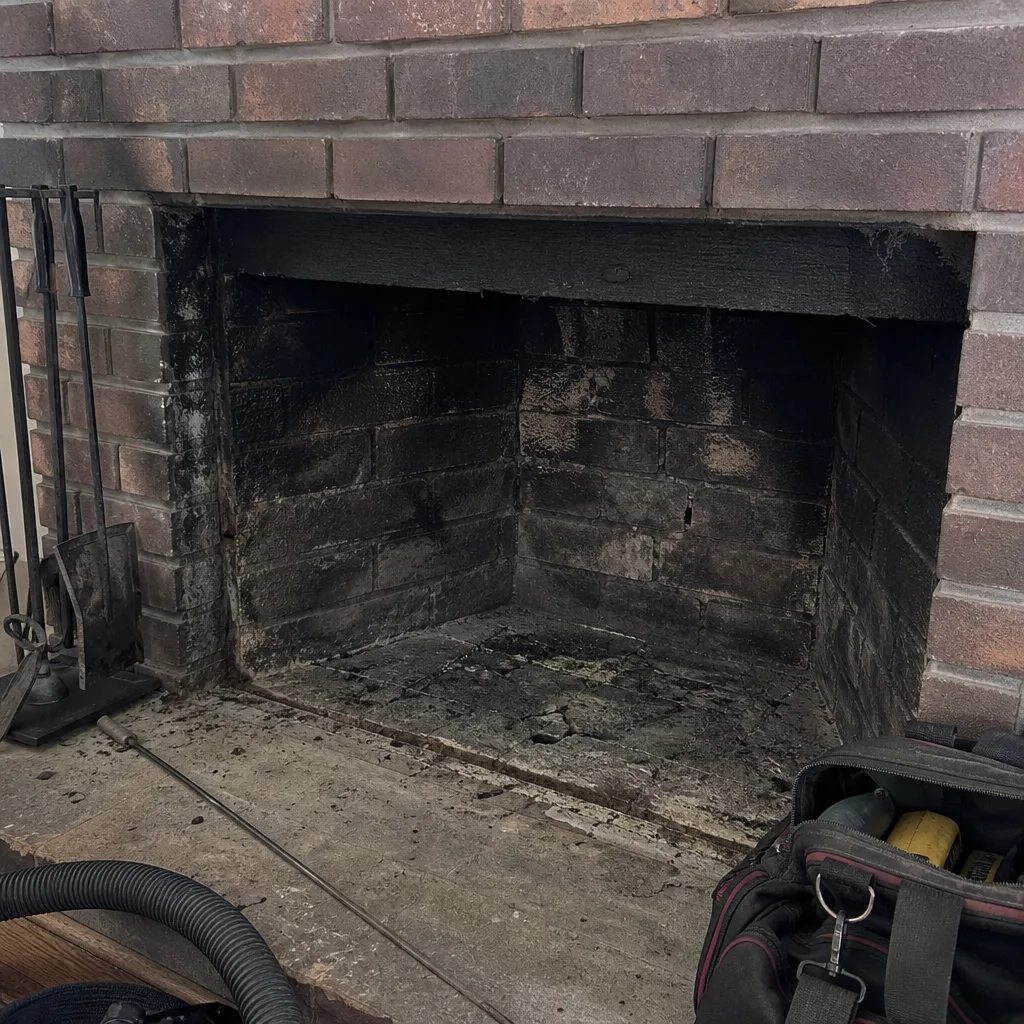 Before
 After
 Before
 After
When to Call a Professional
Call when you notice smoke consistently rolling into the room, when soot is falling onto the hearth, when the fireplace smells acrid even when it’s cold, or when your carbon monoxide detector reads anything at all. Call if you see white staining that’s new, a crown that’s visibly cracking, or a cap that’s loose or missing. Call before burning season if you can’t remember the last time the chimney was inspected. And call if a sweep-only company told you the flue was fine but left you with a leak you can’t explain. Chimney Sweep Pleasant Grove offers free estimates in Pleasant Grove. Call (855) 337-2098 for an exact quote; the written estimate sets the final price and nothing is recommended without camera evidence you can see for yourself. We answer 24/7. Fast dispatch from 7am to 7pm, Sunday through Friday.
Frequently Asked Questions
The earliest signs are usually a faint smoke smell when you light a fire, minor soot around the firebox, and a musty odor in warm weather. As deposits build, you’ll see smoke rolling into the room, soot falling onto the hearth, and a sharper, acrid smell. Any of these means it’s time to book an inspection before your next fire. Call (855) 337-2098 for an exact quote; estimates are free.
Yes. A musty smell in summer almost always means moisture is trapped in the chimney, often from a failed cap, a cracked crown, or damaged flashing. It’s the smell of damp masonry, and it points to an active water problem rather than old ash. Left alone, water keeps working into the brick and mortar.
A cracked liner is a real carbon monoxide risk because it lets combustion gases escape the flue and migrate into wall cavities or living spaces. You won’t see or smell the gas, so a working CO detector is your only warning. Never keep burning if a detector has activated. Anything involving the liner should be handled by a trained professional.
Stop burning if smoke consistently rolls into the room, if soot or creosote is falling onto the hearth, if the fireplace smells strongly acrid even when cold, or if your CO detector activates. A CO alert is an emergency, so ventilate the house and get everyone out before calling for help. The others mean no fire until a professional inspects.
They do. High winds dislodge caps and lift flashing, and heavy spring rains drive water into the masonry, which often shows up as new white staining on the exterior. After a stormy season, check the cap and the exterior for efflorescence. Catching it early is the point.
Once a year is the standard for a chimney you use regularly, plus any time you notice the warning signs in this guide. Some homes, especially those burning frequently or using green wood, need it more often. The exact interval depends on what an inspection finds. Call (855) 337-2098 for an exact quote; estimates are free.
The Bottom Line
Chimney problems rarely announce themselves loudly. They speak in smells, soot, a little smoke, and white stains on the outside of the house. Learn to read those signals and you can tell a cosmetic issue from a hazard before it becomes an expensive repair. Watch from inside for smoke, odor, and soot; look up for stains, cracks, and missing caps; and treat carbon monoxide symptoms as the one sign that’s never negotiable. Our technicians have up to 10 years of experience reading the whole chimney system, from the firebox to the crown. If any sign in this guide matches what you’re seeing, call (855) 337-2098 for a free estimate. We document what we find, and nothing is recommended without evidence you can see.
Written by the team at Chimney Sweep Pleasant Grove.