
Last updated November 25, 2026
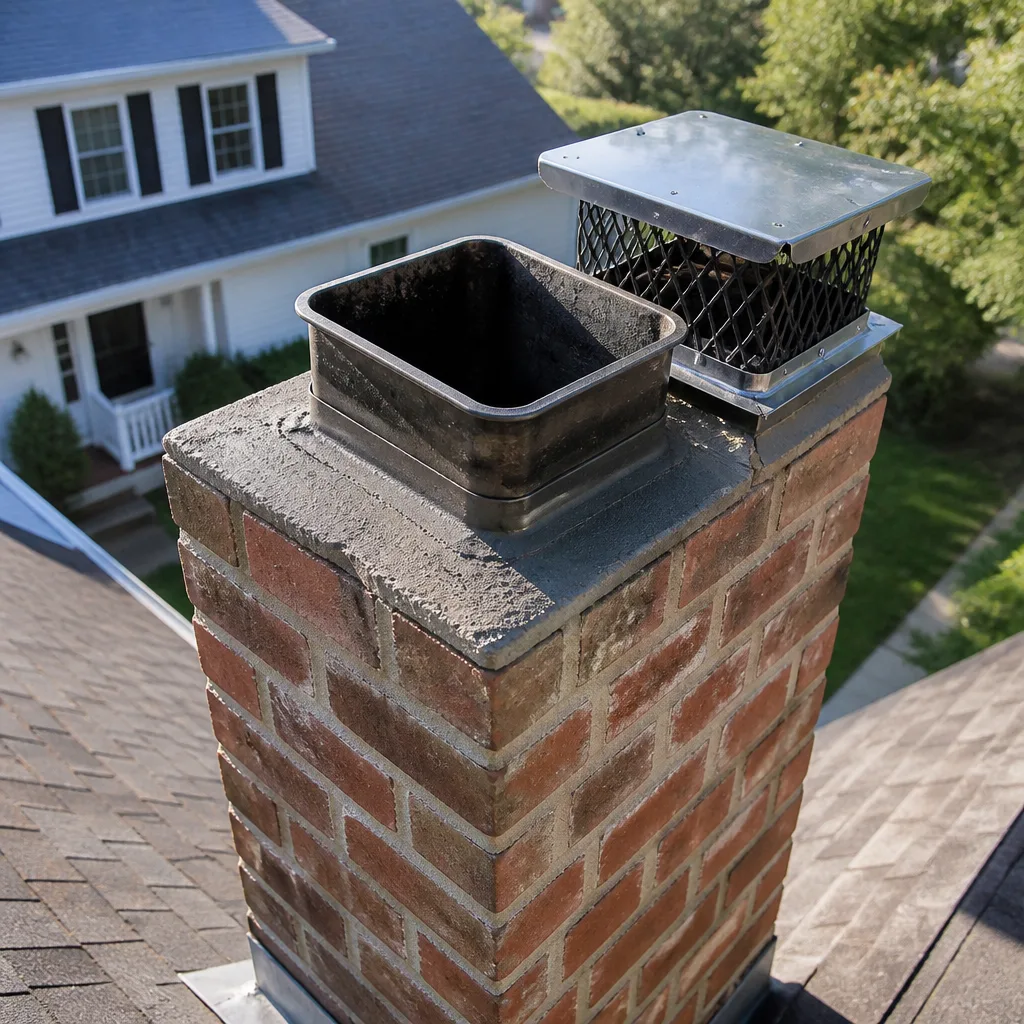 Sweep & inspection
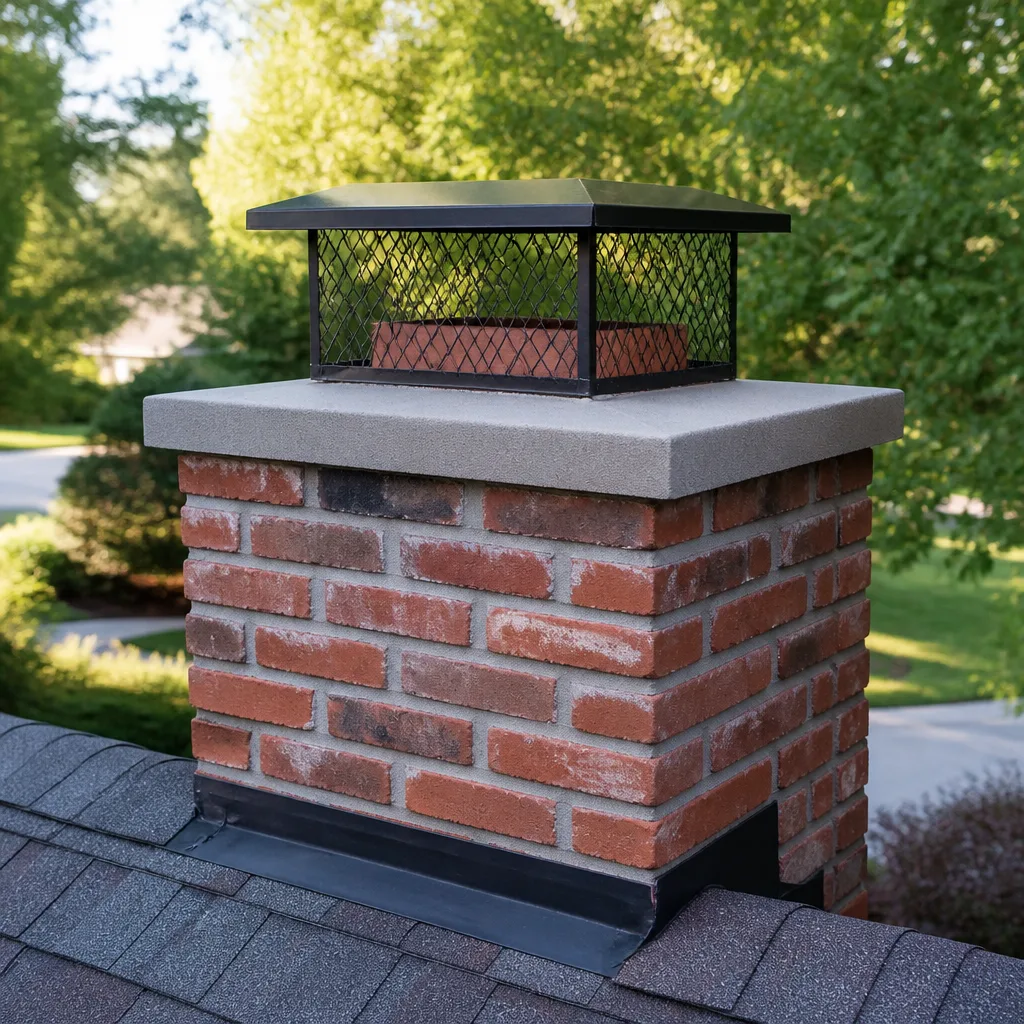 Caps & crowns
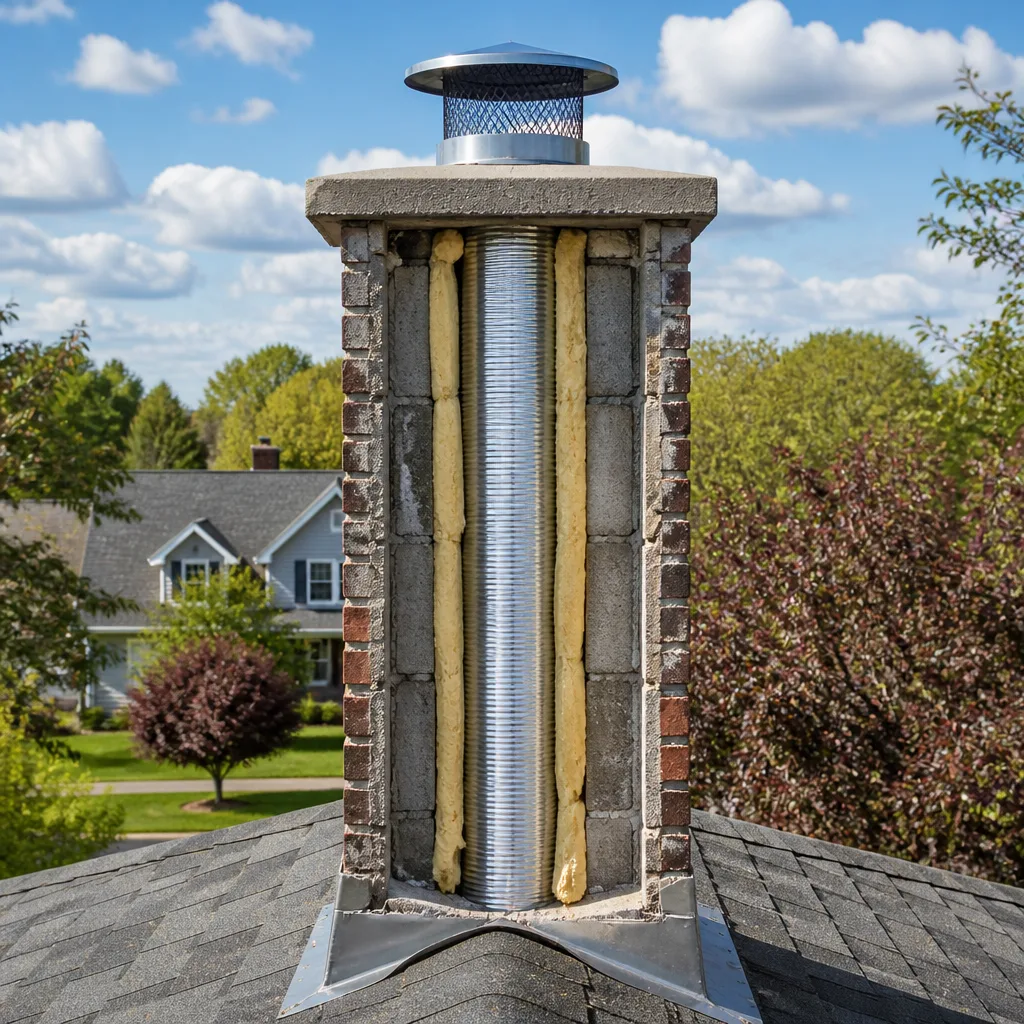 Flue relining
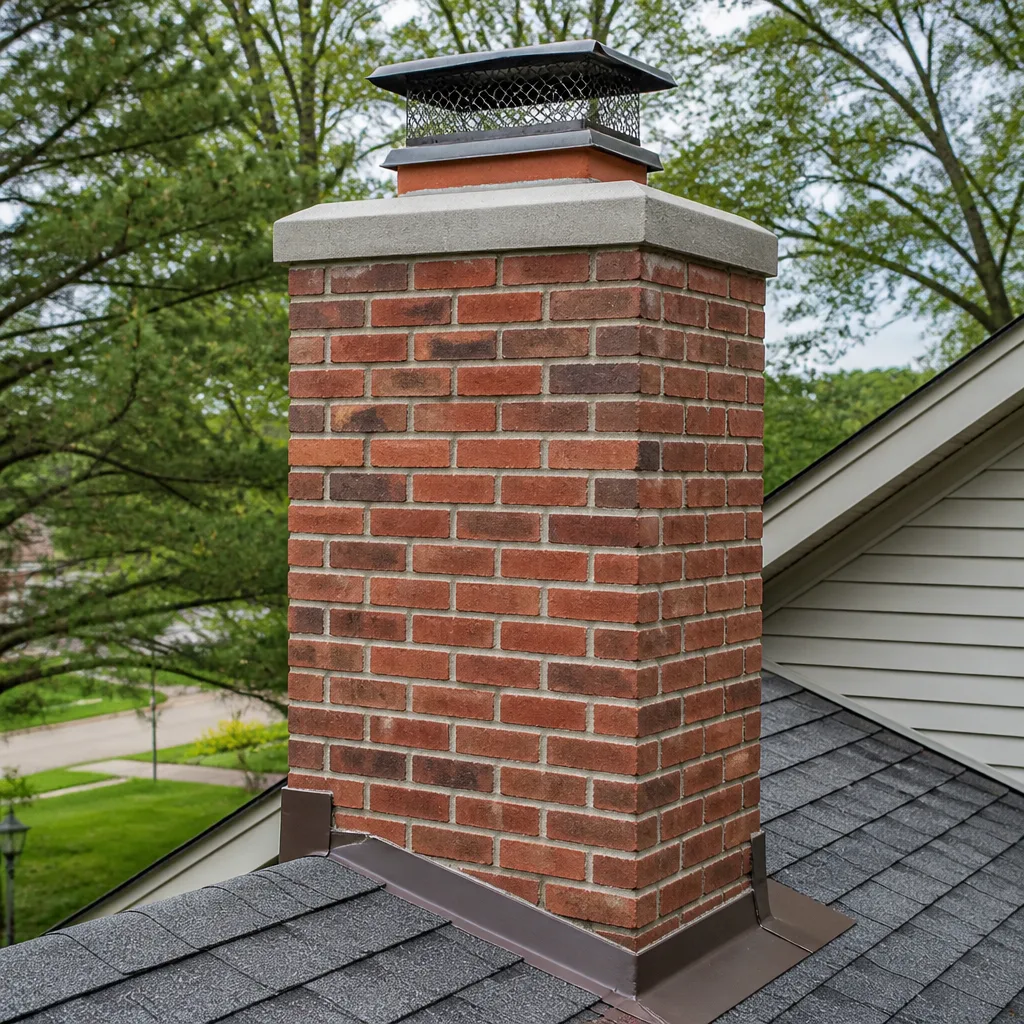 Masonry repair
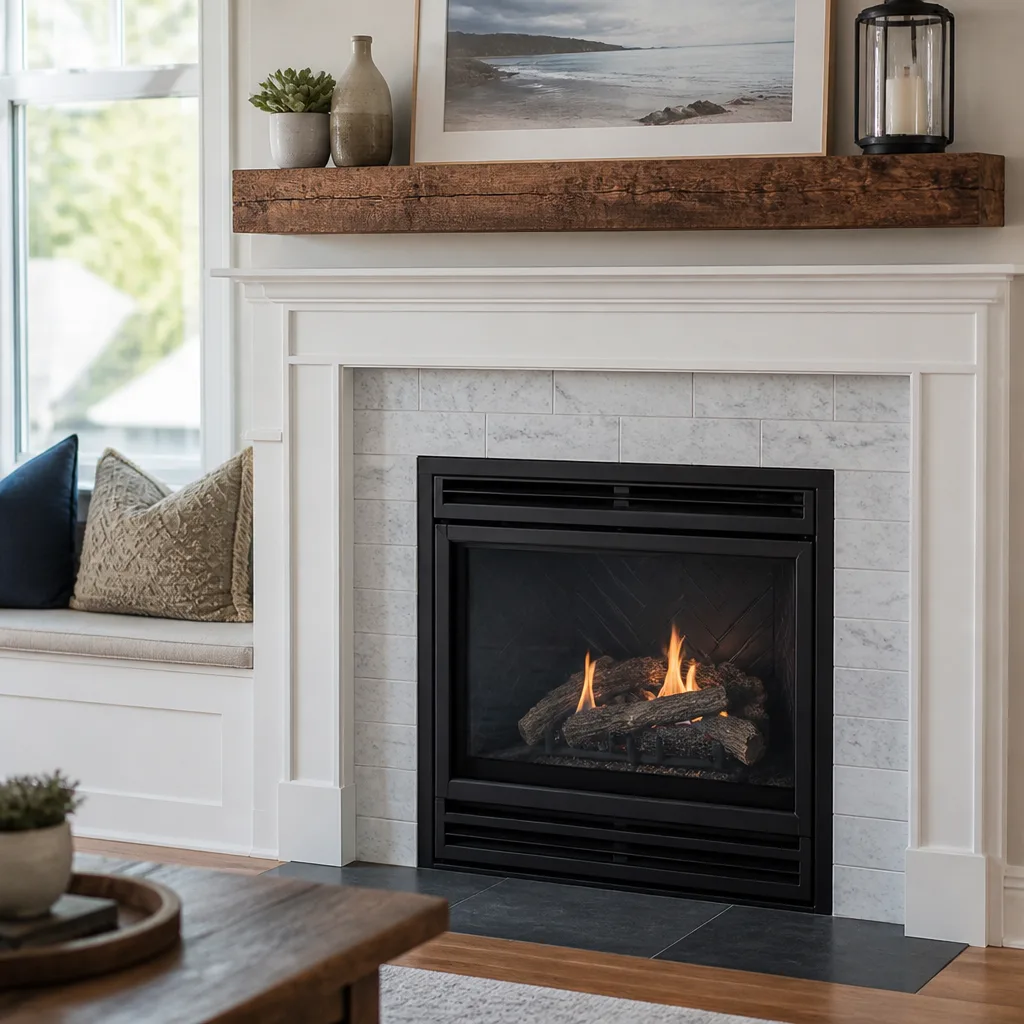 Gas fireplace service
Level 1 sweep and inspection to the NFPA 211 annual standard - flue, crown, cap, and flashing checked and photographed
Chimney sweep logs do not sweep chimneys. They loosen some creosote - which then falls where a brush and vacuum still have to collect it.
Chimney Cleaning Permits, Codes & Inspections in Pleasant Grove, TX: What You Need to Know
Most homeowners assume chimney work never touches the permit office. That’s true for a routine sweep and false for almost everything else. If your sweep installs a new liner, rebuilds a smoke chamber, or replaces a cap and flashing, that work is construction. In Texas, unpermitted construction on a heat-producing appliance can complicate a homeowner’s insurance claim and create liability when you sell the house. Pleasant Grove sits inside Dallas County, where city and county code enforcement share the field, and where a buyer’s inspector will look closely at anything that vents a fire. This guide maps when chimney work crosses the permit threshold, what the International Residential Code actually requires, and how NFPA 211 fits in as the professional benchmark.
Quick Answer
Routine chimney cleaning in Pleasant Grove, TX does not require a permit. Liner installation, firebox or smoke chamber repair, and structural cap or crown replacement usually do, depending on the scope of work and how your local jurisdiction classifies it. The International Residential Code sets the construction requirements, NFPA 211 sets the professional standard of care, and permitted work is what protects you at resale and in an insurance claim.
Styles & brands we work with
- Sweep & inspection
- Caps & crowns
- Flue relining
- Masonry repair
- Gas fireplace service
Table of Contents
- Cleaning vs. Repair: Where the Permit Line Sits
- How Pleasant Grove Fits Into Dallas County Jurisdiction
- What the International Residential Code Requires for Chimneys
- NFPA 211: The Standard Inspectors Actually Reference
- What a Code-Compliant Liner Installation Looks Like
- What a Proper Chimney Inspection Covers
- How Permitted Work Protects You at Resale
- The Permit Process, Step by Step
Cleaning vs. Repair: Where the Permit Line Sits
Cleaning is maintenance. Repair is construction. That single distinction decides whether a permit is in play, and it’s the line an unlicensed sweep usually glosses over.
A chimney sweep removes creosote, soot, and obstructions from an existing flue. No building component changes, no new materials are installed, and no structural element is altered. There’s nothing for a code official to inspect because nothing was built. That’s why routine cleaning has never required a permit, in Pleasant Grove or anywhere else.
Now consider what else gets called “chimney work”:
- Liner installation or relining – a new flue component installed inside the chase. Construction.
- Firebox or smoke chamber repair – masonry or refractory material replaced or resurfaced. Construction.
- Cap and crown replacement – a structural masonry element at the top of the chimney. Construction in most jurisdictions.
- Flashing replacement – a weatherproofing junction between chimney and roof. Construction.
- Chase cover or top-sealing damper installation – new components added to the system. Construction.
Each of those items alters the chimney system, and each is the kind of work a code official may want to see before it’s closed up. Whether a specific Pleasant Grove job needs a permit depends on scope and on how the local authority having jurisdiction classifies it. That’s not a dodge. It’s the honest answer, because permit thresholds vary by municipality and by the type of alteration. What doesn’t vary is this: if the work is construction, the permit question should be asked before the work starts, not after.
In our experience, the sweep who tells you “you never need a permit for chimney work” is telling you something about their licensing, not about the code. Chimney repair and relining that falls under permitted construction is a different category of job, and it’s the category where professional-grade materials and documented process matter most.
How Pleasant Grove Fits Into Dallas County Jurisdiction
Pleasant Grove is a community in southeast Dallas, and chimney work here runs through the city of Dallas and Dallas County code enforcement rather than a separate suburban permit office. Knowing which office governs your address is the first practical step.
Dallas County doesn’t issue a single countywide chimney permit. Building permits in this part of Texas are handled at the municipal level, and the city of Dallas is the authority having jurisdiction for construction within its limits. For a Pleasant Grove homeowner, that means permit applications, inspections, and code questions route through Dallas’s building department. If your property sits in an area with different municipal boundaries, confirm which office covers your address before you assume anything.
A few local realities shape how this plays out:
- Housing stock matters. Pleasant Grove has a wide mix of older masonry fireplaces and newer inserts. Older chimneys are more likely to need relining, firebox repair, or crown work, which means more jobs that cross into permit territory.
- The climate is mild, not gentle. North Texas summers bake masonry and the occasional hard freeze still finds its way in. A cracked crown or failed flashing doesn’t announce itself. It shows up later as water damage inside the chase.
- Insurance scrutiny is real. Carriers writing policies on older Pleasant Grove homes increasingly ask about the condition of the heating appliance and the venting system.
One practical note: a chimney sweep who works in Pleasant Grove regularly should know which office issues permits for the addresses they serve. If your sweep can’t tell you whether a liner installation needs a permit, that’s a signal about the scope of their work, not a sign the answer doesn’t exist.
What the International Residential Code Requires for Chimneys
The International Residential Code is the model code that Texas jurisdictions adopt and amend, and its chimney and venting chapters set the construction rules a permitted job has to meet. The IRC governs chimneys in three broad areas: materials, clearances, and termination.
Materials. The IRC requires chimney and venting components to be listed and installed per their listing. A field-fabricated liner or a generic hardware-store substitute doesn’t satisfy that. Professional-grade products like DuraFlex flexible liner systems are listed components, which is the whole reason a permitted installation can pass inspection while a workaround cannot. The same principle applies to a chimney cap or crown: the component has to be appropriate to the system, not improvised.
Clearances. The IRC specifies the required distance between the chimney and combustible materials, and it addresses how a flue passes through framing, ceilings, and the roof. Clearance violations are the most common reason a chimney installation fails a code inspection, and they’re also the most common reason a chimney fire spreads into the structure. A homeowner can’t see a clearance defect from the living room, and that’s exactly why the inspection step exists.
Termination. The IRC requires the chimney to terminate a specific distance above the roofline and above any roof surface within a set horizontal distance. Too low, and the chimney drafts poorly, spills smoke, and increases carbon monoxide risk. A permitted installation includes this measurement as part of the inspection.
These are the construction requirements a code official checks when a job is permitted. When a job isn’t permitted, nobody checks them, and the homeowner has no documentation that they were ever met. If your fireplace is only as safe as its weakest component, the permit and inspection process is how you find out which component that is.
NFPA 211: The Standard Inspectors Actually Reference
NFPA 211 is not a legal code. It’s the professional standard of care for chimneys, fireplaces, vents, and solid fuel appliances, and it’s the benchmark a trained inspector, a home inspector, and an insurance underwriter all reference when they evaluate whether a chimney system is adequate. That distinction matters: IRC tells a builder what to construct, and NFPA 211 tells a professional what to look for afterward.
Three parts of NFPA 211 shape how chimney work in Pleasant Grove gets evaluated:
- Inspection levels. NFPA 211 defines the levels of chimney inspection, from a basic visual check of readily accessible components up to a full inspection that requires access to concealed areas. The level performed should match the situation, and a real estate transaction typically calls for more than an annual sweep does.
- Condition of the flue. The standard addresses flue liner integrity, and it treats a missing, cracked, or deteriorated liner as a defect that has to be corrected before continued use. That’s the finding that most often turns a routine visit into a repair conversation.
- Clearance and accessibility. NFPA 211 repeats and extends the clearance principles in the IRC for the purposes of inspection. A professional looking at your chimney is checking the same geometry a code official would, just from a maintenance angle rather than a construction one.
Here’s why this matters to a homeowner in Pleasant Grove: when an inspector flags a chimney issue, they’re not inventing a reason to sell you work. They’re applying a published standard, and you can read it. A professional who documents findings against NFPA 211 and shows you what they found is giving you something the standard itself supports. That’s the difference between a recommendation you can verify and one you have to take on faith. It’s also why we document what we find rather than just handing over a repair number.
What a Code-Compliant Liner Installation Looks Like
A code-compliant liner installation is sized to the appliance, made of listed materials, terminated at the correct height, and installed without hidden clearance violations. Those four requirements separate a permitted job that passes inspection from a liner dropped in and forgotten.
Sizing. The liner has to match the appliance’s venting needs, including its heat output. A liner too large for the appliance drafts poorly and runs cold, which builds creosote. A liner too small won’t vent the appliance under load. The appliance’s input rating is the starting point, and the liner is selected from there.
Material. The liner must be a listed component rated for the fuel and the temperatures involved. DuraFlex flexible liner systems are a professional-grade option for relining older or damaged flues, and they’re the kind of component a code official expects to see for a permitted installation.
Termination. The liner has to extend to the correct height above the roofline, consistent with the IRC termination rules. A liner that stops short of the top doesn’t perform like a chimney, and it won’t pass inspection like one.
Connection and protection. The liner connects properly to the appliance, the top of the chimney is closed off from water and animals with an appropriate cap, and any deterioration in the surrounding flue tile is addressed. This is where HeatShield application comes in. Thermal resurfacing can correct a deteriorating flue tile without a full liner replacement in the right situations, which makes it a middle option between “leave it alone” and “replace the whole flue.” The right choice depends on what the inspection finds, not on which sells better.
A code-compliant installation is verifiable after the fact. That’s the point. The materials are listed, the clearances are documented, and the inspection confirms what was built. Call (855) 337-2098 for a free estimate, and we’ll walk through what your chimney needs before anyone touches it.
What a Proper Chimney Inspection Covers
A proper chimney inspection evaluates the entire system from the firebox to the cap, documents what it finds, and ties each recommendation to a specific finding. A sweep that skips the documentation step has given you a cleaning, not an inspection.
Here’s what a thorough inspection in Pleasant Grove covers, top to bottom:
- Crown and cap. The crown is the masonry cap at the top of the chimney, and it sheds water away from the structure. Cracking in the crown is the most common entry point for water damage in North Texas masonry. A damaged cap or missing spark arrestor is noted here too.
- Flue and liner. The interior of the flue is examined for creosote buildup, glaze, cracked tile, gaps at joints, and any missing liner sections. This is where most safety findings surface.
- Smoke chamber and damper. The smoke chamber above the firebox needs smooth, correctly angled walls to guide smoke up and out. Rough or deteriorated surfaces cause turbulence and draft problems. The damper is checked for operation and seal.
- Firebox. The firebox masonry or refractory panels are checked for cracking, spalling, and deterioration. Firebox damage is both a safety issue and a common source of smoke inside the room.
- Exterior and clearances. The visible portion of the chimney, the flashing where it meets the roof, and the clearance from combustibles are all examined. Flashing problems are a water issue, and clearance problems are a fire issue.
The findings from each step get documented and connected to a specific recommendation. If the crown is cracked, the recommendation is crown repair. If the flue tile is deteriorating but structurally sound, the recommendation may be HeatShield resurfacing rather than a new liner. If the cap is missing, the answer is a proper cap. And if everything checks out, that’s a documented finding too, one that says explicitly that no work is needed. You should never be told you need thousands of dollars of work you can’t verify. You should be shown what the camera saw and what the standard requires, and then you decide.
How Permitted Work Protects You at Resale
Permitted chimney work protects you at resale because it creates a record. An inspection report with a permit number attached is something a buyer’s inspector and a lender can both verify. Unpermitted modifications are something they can also find, and then question.
When a Pleasant Grove house goes on the market, several people look at the chimney:
- The buyer’s home inspector looks at visible components and the firebox. Findings on the inspection report become negotiating items, whether or not they’re accurate.
- The buyer’s insurance underwriter has a say in whether the property gets coverage and on what terms. An older chimney system with no documentation of condition is a question mark.
- A chimney inspector, if the transaction calls for a higher inspection level, evaluates against NFPA 211 and reports what the standard requires.
Permitted work gives you documentation for all three. A liner installation done under permit has an inspection record. A code-compliant installation means the clearances and termination were verified. At resale, that record is worth more than a verbal assurance that the work was done.
Unpermitted work presents the reverse. A buyer’s inspector who notes a new liner with no permit on record raises the question of how it was installed. The answer to that question has to come from somewhere, and if it can’t be documented, the negotiating dynamic shifts. In our experience, most homeowners who end up in this situation didn’t skip the permit on purpose. Their contractor did.
The Permit Process, Step by Step
The permit process for chimney construction work starts before the job and ends after the inspection, and it’s the contractor’s job to walk you through it. Here’s how a permitted chimney job should run in Pleasant Grove.
- Inspection first. Before any permit application, the chimney gets inspected and the findings get documented. The scope of work comes from the findings, not from a sales pitch.
- Confirm the permit requirement. The building department is contacted to confirm whether the specific scope of work needs a permit. Routine cleaning never does. Liner installation, firebox repair, and cap or crown replacement may. The answer depends on the scope and the local jurisdiction.
- Apply for the permit. The permit application is submitted with the scope of work and the proposed materials. This is where professional-grade components matter, because listed products are what the code official expects to review.
- Perform the work to code. The installation is completed against the IRC requirements for materials, clearances, and termination, using the components specified in the permit.
- Schedule the inspection. The code official inspects the work before the job is closed out. Clearances, termination height, and materials are all verified.
- Keep the record. The permit and inspection record stay with the property documentation. That paperwork is what you hand a buyer’s inspector, an insurance underwriter, or a future chimney professional.
Notice what step six does for you. The permit isn’t just a government formality. It’s the paper trail that turns a repair into a documented improvement. For a homeowner in Pleasant Grove planning to stay in the house for years, that record is the difference between “the chimney was worked on at some point” and “here’s what was done and who verified it.”
Common Mistakes to Avoid
- Assuming no permit is ever needed. Cleaning is exempt, but liner installation, firebox repair, and cap replacement are construction. Ask before the job starts, not after.
- Letting a sweep answer permit questions they can’t answer. A sweep who says “permits don’t apply to chimneys” is describing their own licensing limits, not the code. Confirm the permit requirement with the building department.
- Skipping the inspection to save an appointment. The inspection is what produces the documented findings the permit application depends on. Doing the work without the inspection means doing it blind.
- Accepting a generic hardware-store liner. Listed, professional-grade components are what pass code inspection and what perform over time. The substitution is cheaper up front and more expensive later.
- Letting a cap or crown go unrepaired because it looks fine from the ground. North Texas heat and occasional freezes work on masonry from the top down. A cracked crown that isn’t visible from the ground still lets water in.
- Treating an inspection as a sales pitch. A proper inspection documents what it finds, including “no work needed.” If the recommendation arrives without evidence you can see, ask for the evidence.
- Losing the paperwork after the job. A permitted job with no record left behind is only marginally better at resale than an unpermitted one. Keep the permit and inspection documents.
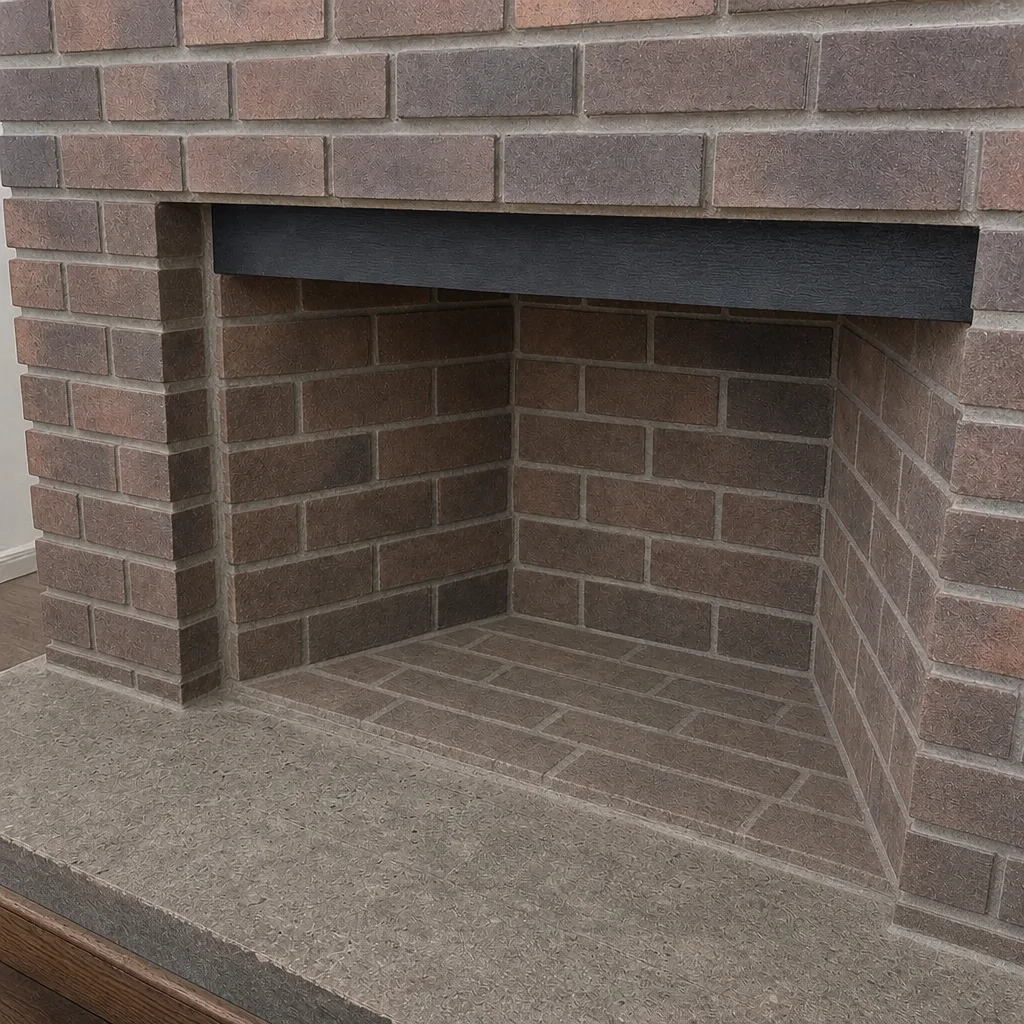
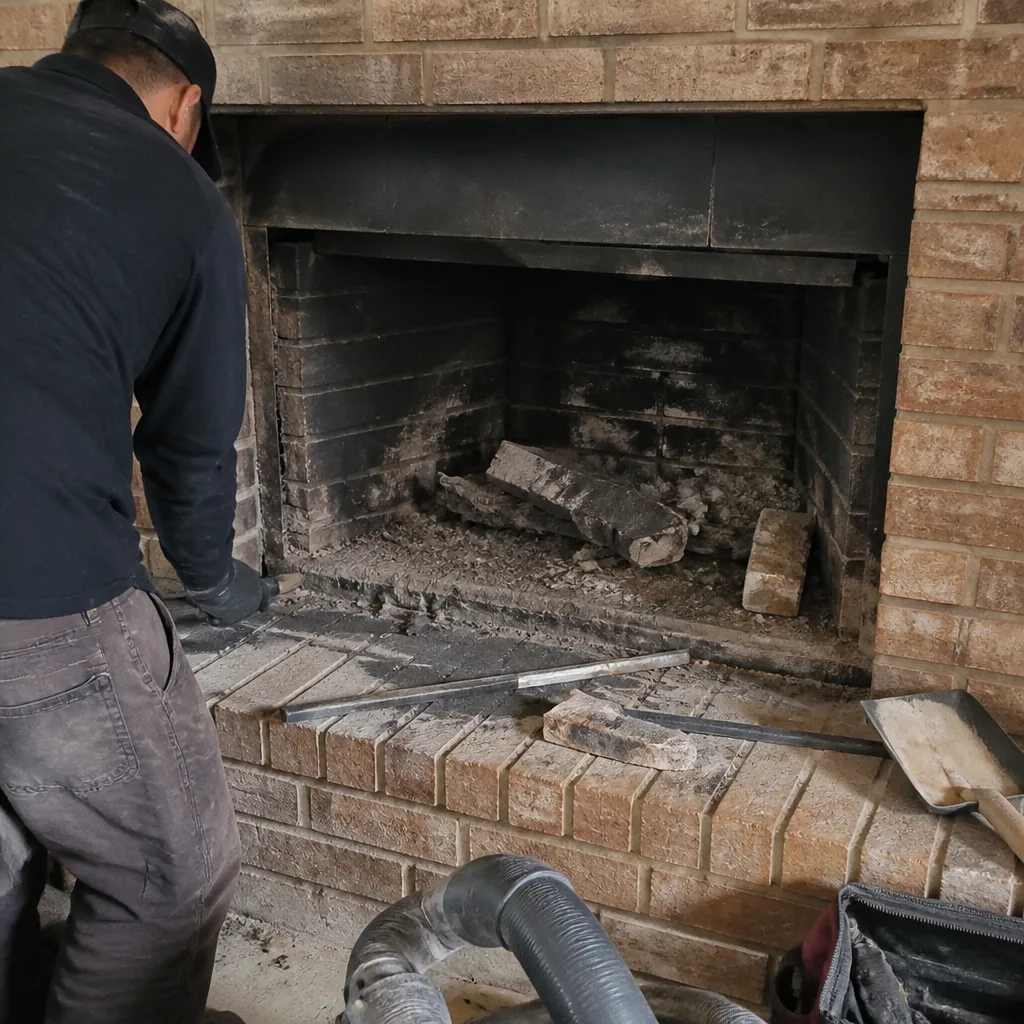
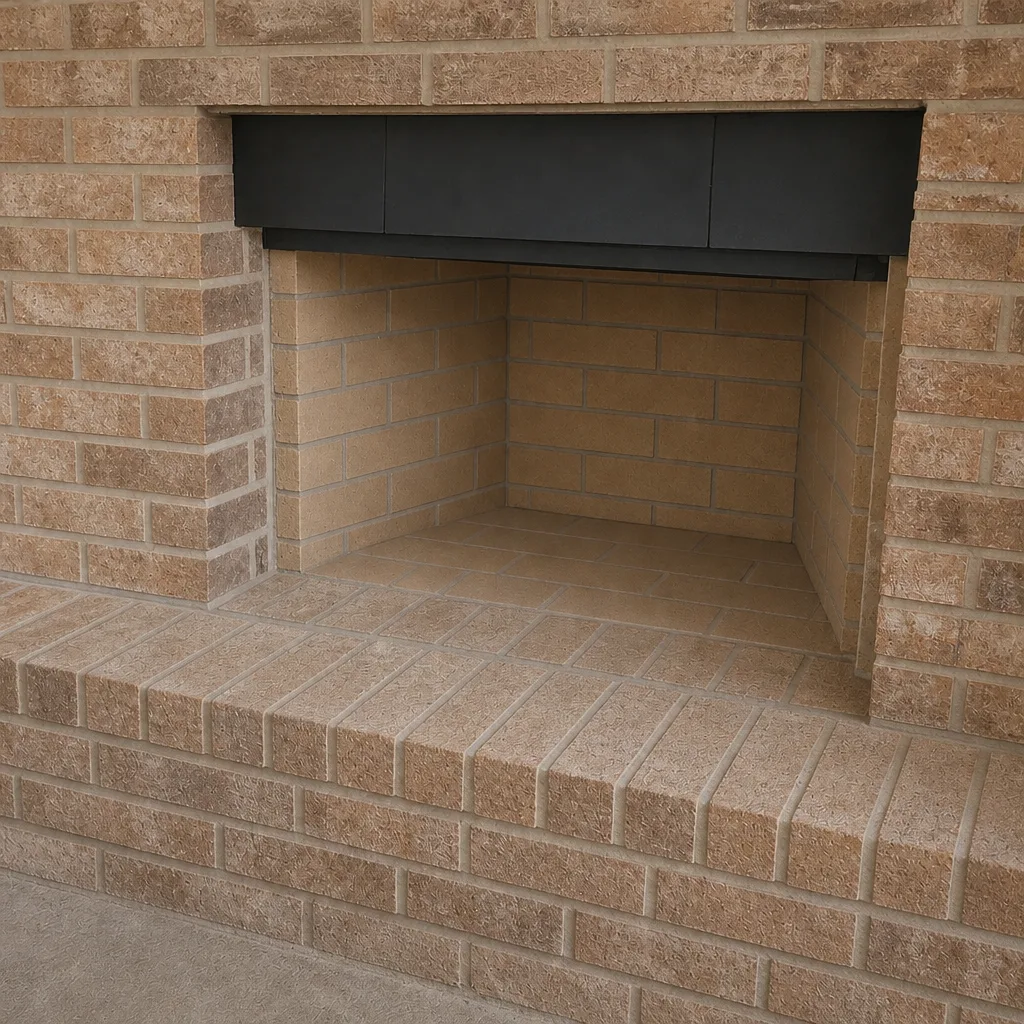
See the difference
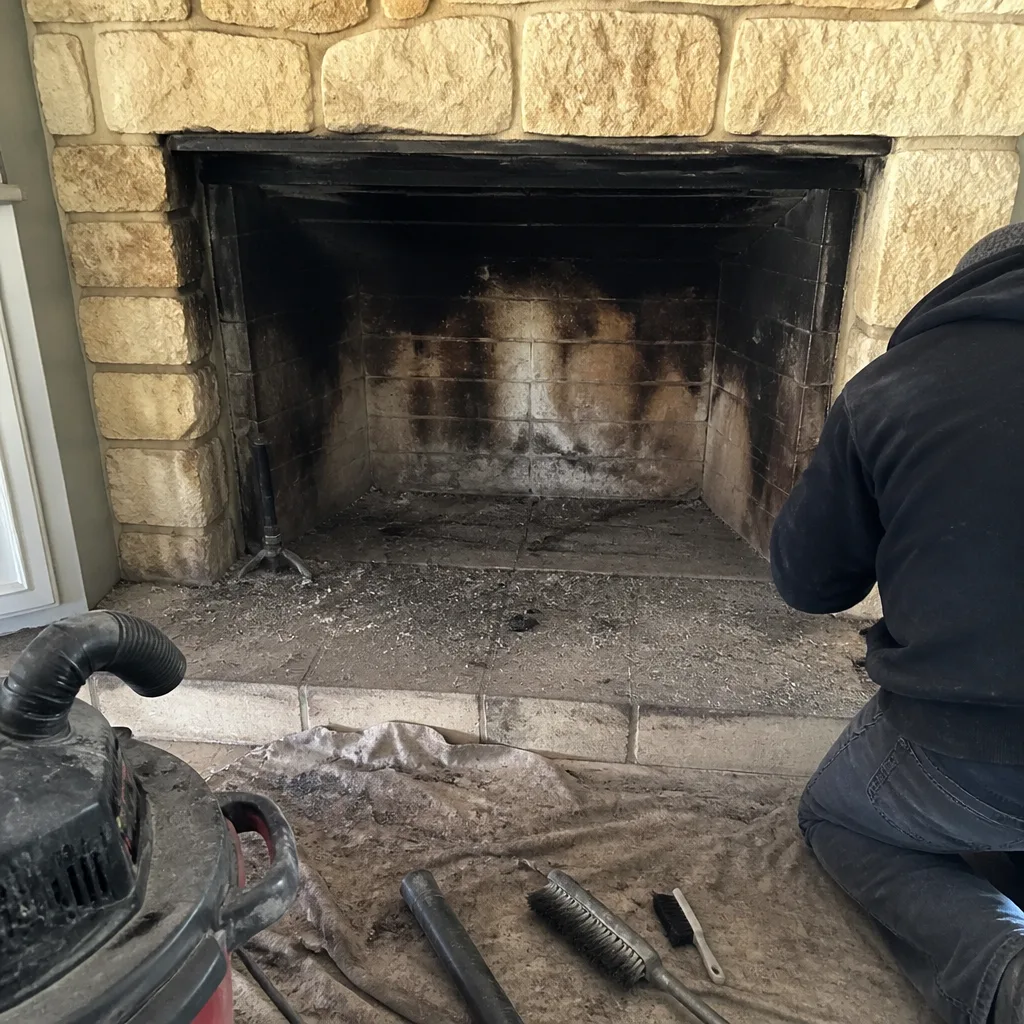 Before
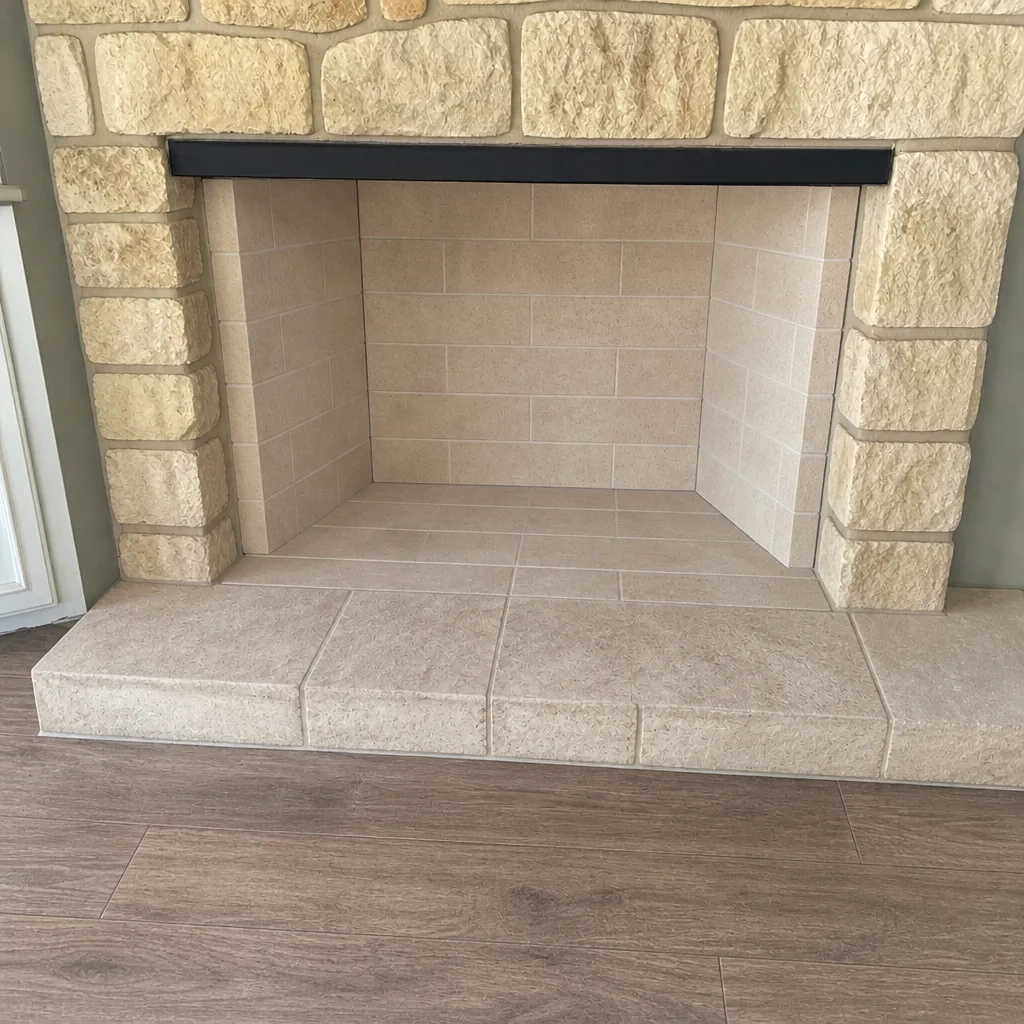 After
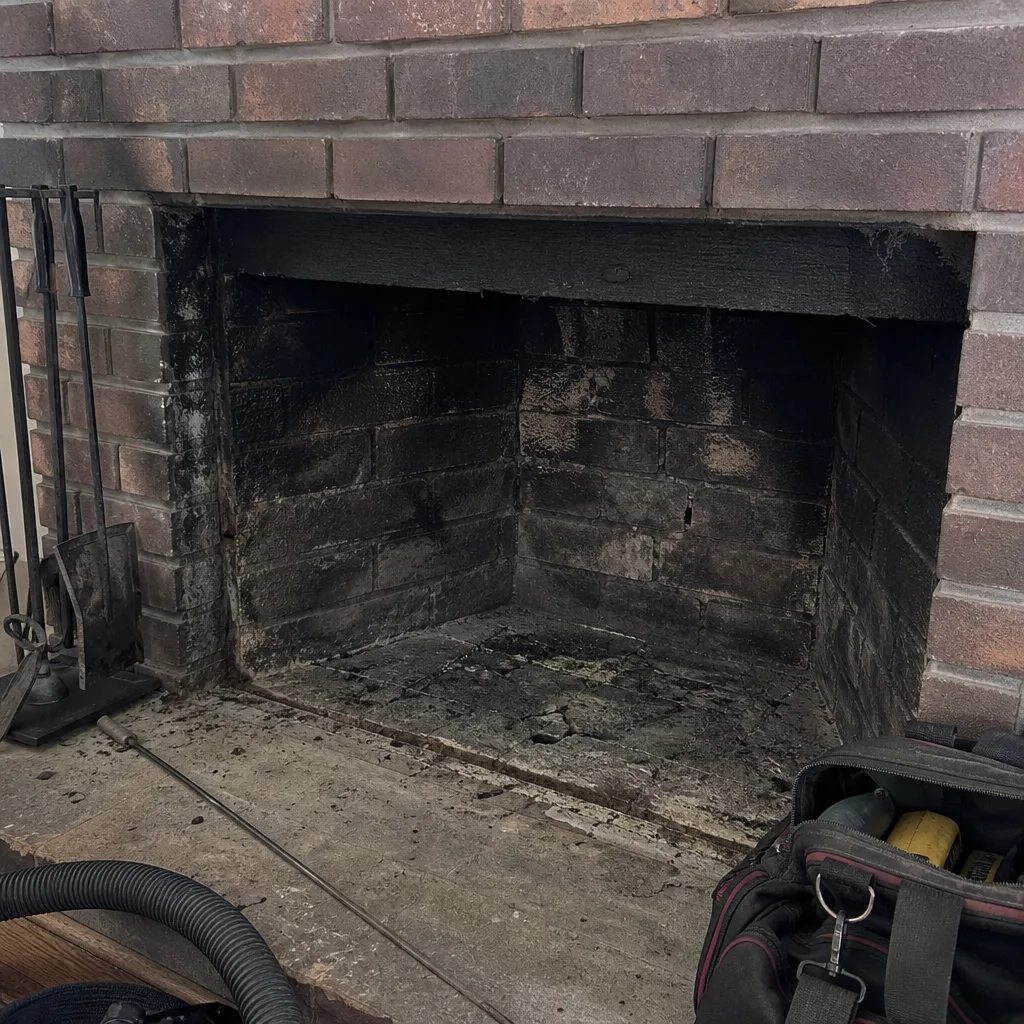 Before
 After
 Before
 After
When to Call a Professional
Call a professional before the next burn season if you haven’t had the chimney inspected, if the fireplace has visible cracks in the firebox or smoke chamber, if there’s a water stain on the ceiling near the chimney, or if the damper doesn’t seal. Call immediately if smoke backs into the room when you light a fire, if you smell gas near a gas appliance, or if you notice any symptom the CDC associates with carbon monoxide exposure: headache, dizziness, or nausea while the fireplace is running. If you’re selling the house, schedule the inspection before the buyer’s inspector does. If a liner, crown, or firebox repair is on the table, get the permit question answered at the same time.
Chimney Sweep Pleasant Grove offers free estimates in Pleasant Grove. Call (855) 337-2098 and we’ll walk through what your chimney needs, what’s routine maintenance, and where a permit applies. Whether the answer is a sweep or a permitted repair, we’ll tell you which and why.
Frequently Asked Questions
No. Routine chimney cleaning is maintenance, not construction, and it doesn’t require a permit in Pleasant Grove or anywhere in Dallas County. Cleaning removes creosote and obstructions from an existing flue without altering any building component. Call (855) 337-2098 for an exact quote on a sweep, and estimates are free.
Liner installation or relining, firebox and smoke chamber repair, structural cap or crown replacement, and flashing replacement usually require a permit, because each alters the chimney system. The exact threshold depends on the scope of work and how Dallas’s building department classifies it, so confirm before the job starts. Call (855) 337-2098 and we’ll tell you what applies to your project. Estimates are free.
The city of Dallas building department is the authority having jurisdiction for construction within Pleasant Grove, since it’s a community inside Dallas city limits. Dallas County doesn’t issue a separate countywide chimney permit. If you’re unsure which office covers your address, confirm with the city before applying. Call (855) 337-2098 if you’d like us to walk through it with you. Estimates are free.
The International Residential Code is the construction code a permitted job must meet, covering materials, clearances, and termination height. NFPA 211 is the professional standard of care that inspectors and insurance underwriters reference when evaluating whether an existing chimney system is adequate. A code-compliant installation satisfies the IRC; a properly maintained chimney also satisfies NFPA 211. Call (855) 337-2098 for a free inspection estimate.
Yes. A buyer’s home inspector or insurance underwriter can flag unpermitted chimney modifications because there’s no inspection record confirming the work met code. That finding becomes a negotiating item, and the burden falls on the seller to explain or re-document the work. Permitted work creates a record that answers the question before it’s asked. Call (855) 337-2098 to schedule an inspection that produces documented findings. Estimates are free.
An annual inspection is the standard, and NFPA 211 calls for a higher inspection level when a real estate transaction or a change to the appliance is involved. If the chimney hasn’t been examined in over a year, or if you’ve noticed creosote buildup, draft problems, or water intrusion, schedule the inspection before you burn next. Call (855) 337-2098. We answer 24/7, with fast dispatch from 7am to 7pm. Estimates are free.
The Bottom Line
Cleaning doesn’t need a permit. Construction does. In Pleasant Grove, that means a routine sweep is a maintenance visit, while liner installation, firebox repair, and cap or crown replacement fall into the category that Dallas’s building department may want to inspect. The IRC sets the construction requirements: listed materials, correct clearances, proper termination. NFPA 211 sets the professional standard a trained inspector applies afterward. A permitted job creates the record that protects you at resale and in an insurance claim, and an inspection that documents its findings is what makes both possible. Know which category your chimney work falls into before the work starts. That’s the whole point.
Call (855) 337-2098 for a free estimate. We answer 24/7. Fast dispatch from 7am to 7pm, Sunday through Friday.
Written by the team at Chimney Sweep Pleasant Grove.