
Last updated November 25, 2026
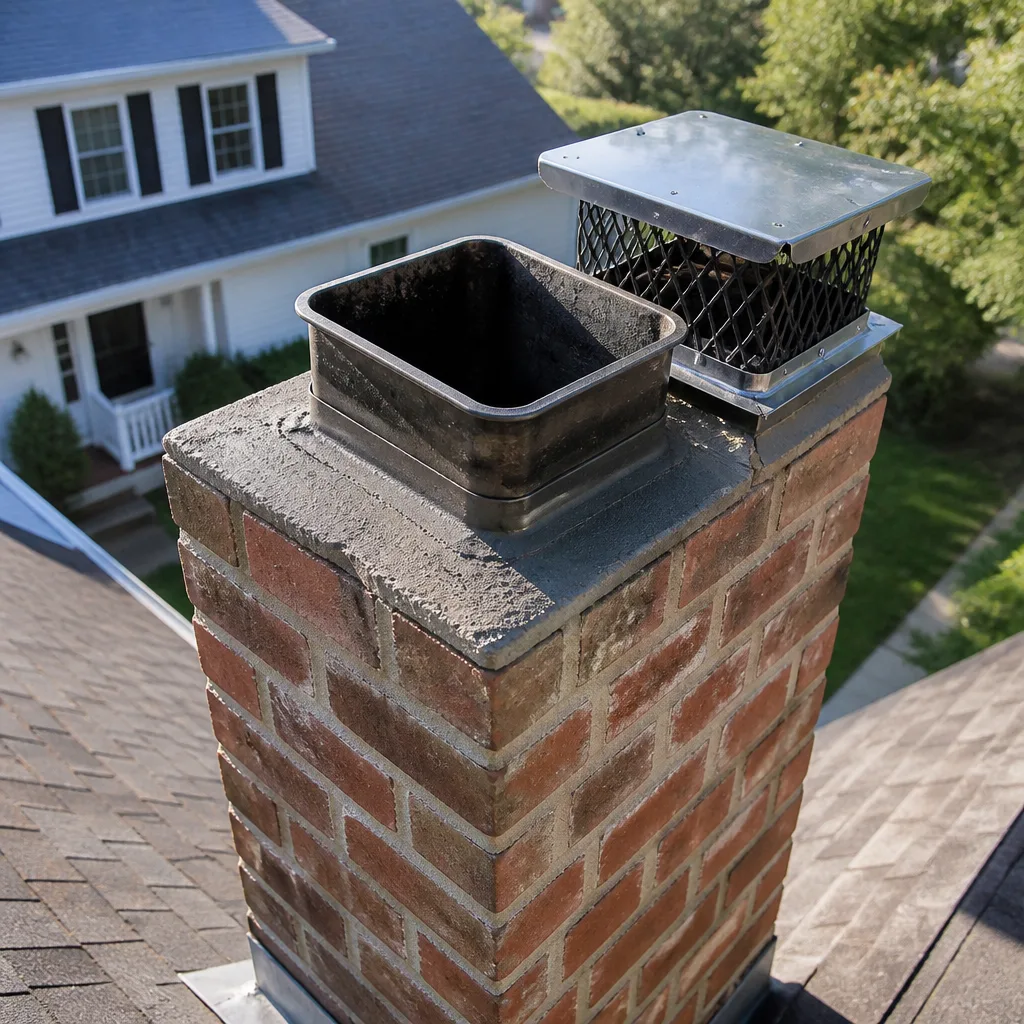 Sweep & inspection
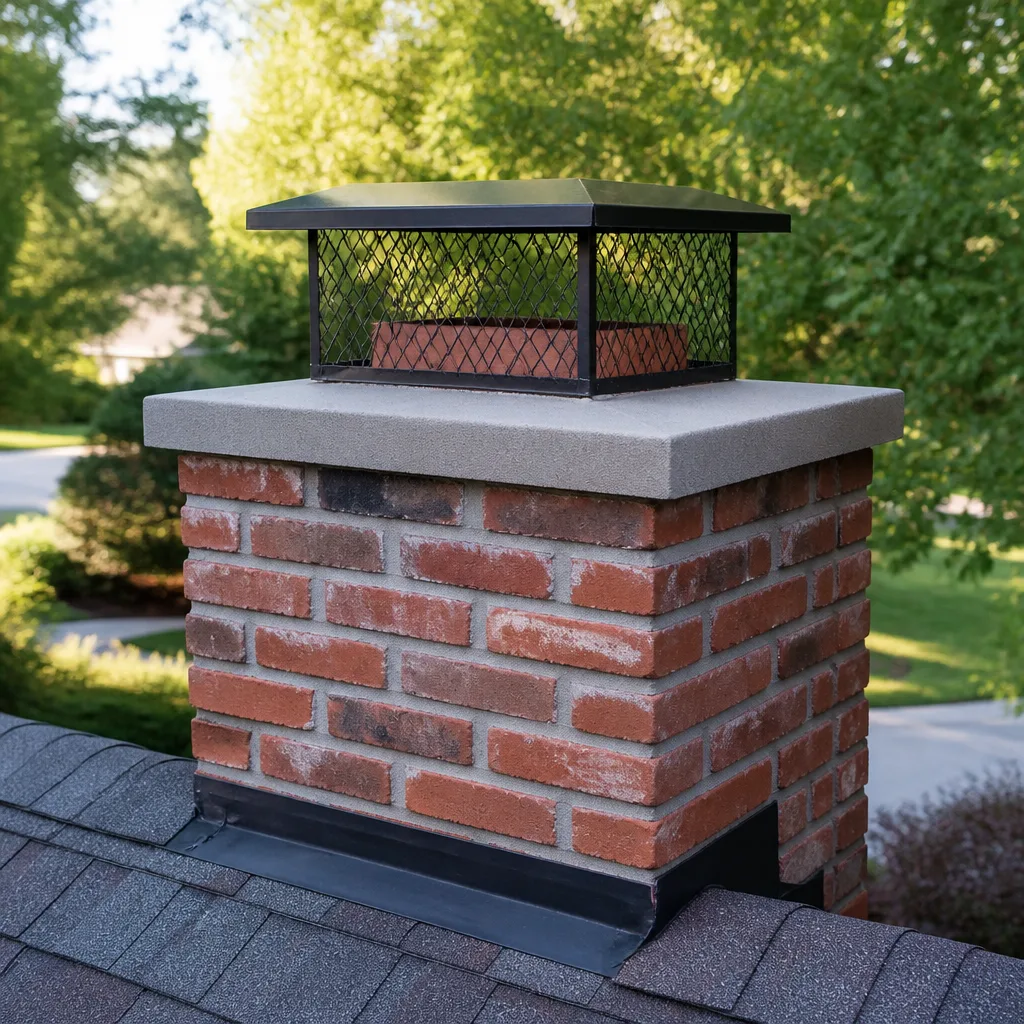 Caps & crowns
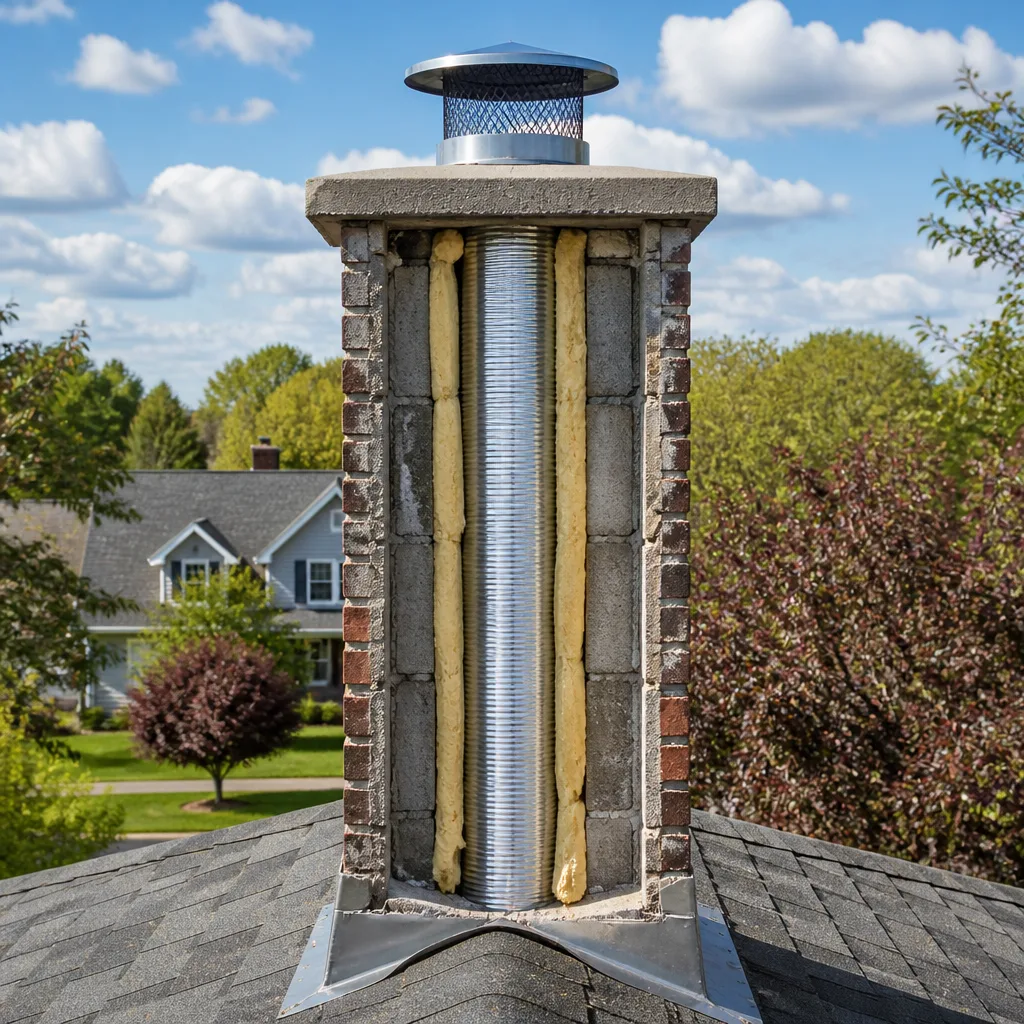 Flue relining
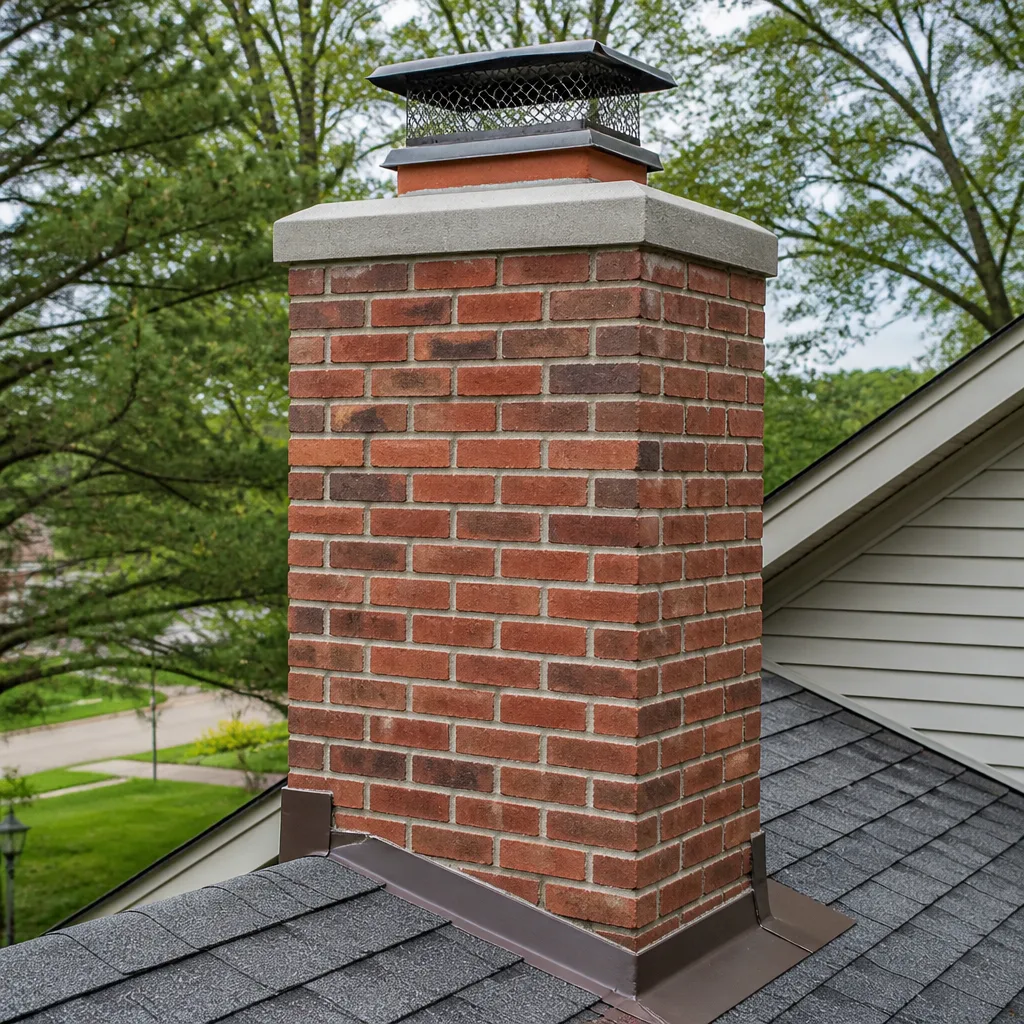 Masonry repair
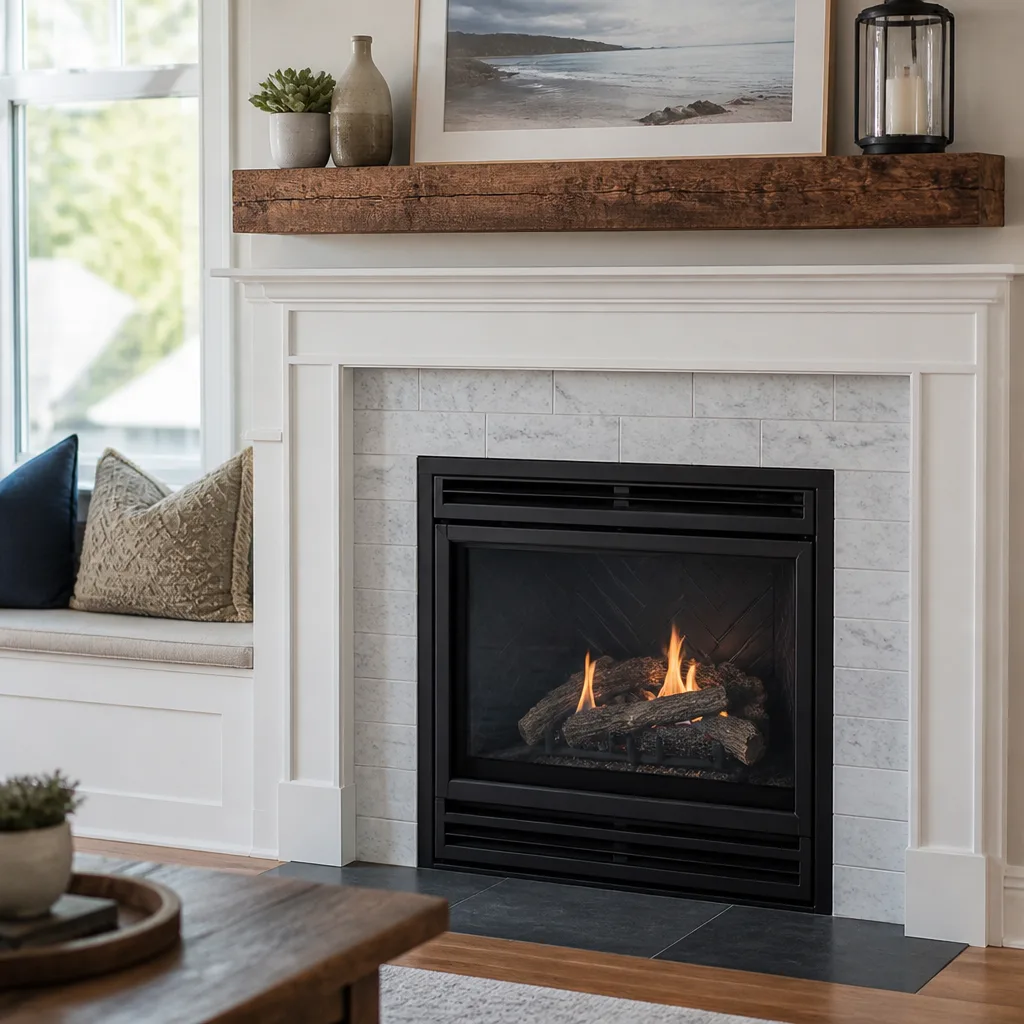 Gas fireplace service
Level 1 sweep and inspection to the NFPA 211 annual standard - flue, crown, cap, and flashing checked and photographed
Chimney sweep logs do not sweep chimneys. They loosen some creosote - which then falls where a brush and vacuum still have to collect it.
Chimney Cleaning Emergency Preparedness Guide for Pleasant Grove Homes
A chimney fire doesn’t always announce itself with flames rolling out of the cap. Most burn slowly inside the flue, starved of oxygen but still hot enough to reach temperatures above 2,000°F, cracking liners and threatening the framing next to them while the homeowner sits in front of what looks like a normal fire. The dramatic version gets the attention. The quiet version does the damage. What separates a contained scare from a structure fire usually isn’t luck; it’s whether the person in the room knew what they were hearing, seeing, and smelling, and what to do in the first few minutes. This guide covers both kinds of chimney fire, the carbon monoxide events that can follow a blocked or damaged flue, sudden overnight blockages, and the pre-season checklist that keeps a Pleasant Grove home out of the emergency column in the first place.
Quick Answer
A chimney emergency is handled in a fixed order: get everyone out and call 911 if you see flames, hear a roar, or smell smoke in the house. If the fire is small and confined to the firebox, close the glass doors and the damper, cut off the air supply, and watch the chimney from outside. After any chimney fire, the fireplace stays out of use until a Level 2 inspection confirms the liner is intact. In Pleasant Grove, the biggest controllable risk is a flue that hasn’t been swept before the burning season starts.
Styles & brands we work with
- Sweep & inspection
- Caps & crowns
- Flue relining
- Masonry repair
- Gas fireplace service
Table of Contents
- The Two Kinds of Chimney Fire
- How to Respond in the First Five Minutes
- After a Chimney Fire: The Level 2 Rule
- Carbon Monoxide vs. Smoke Inhalation
- Sudden Blockages: Birds, Squirrels, and Debris
- Pre-Season Emergency Preparedness Checklist
- Why the Weakest Component Sets the Risk
- Common Mistakes to Avoid
- When to Call a Professional
The Two Kinds of Chimney Fire
Chimney fires come in two forms, and they demand different responses. Knowing which one you’re dealing with is the single most useful piece of emergency knowledge a fireplace owner can carry.
The free-burning chimney fire
This is the one people picture. It’s loud: a roar or a rumble that sounds like a freight train or a low-flying aircraft. You may hear popping and crackling that doesn’t match the fire in the firebox. Flames or dense smoke may show at the top of the chimney, and the chimney pipe or masonry can get hot enough to discolor. This type moves fast and can send burning creosote onto the roof or into the attic space through a failing joint.
The slow-burning chimney fire
This one is quiet and often goes undetected for its entire duration. Signs are subtle: a sudden drop in the fire’s draft, puffs of smoke coming back into the room, a smell of hot creosote, or a chimney that stays unusually warm long after the fire has burned down. Because it can burn for a long stretch inside the flue, it has time to do real damage to the liner, the mortar joints, and the framing near the chimney chase. Many slow-burn fires are only discovered during a later inspection, when the technician finds a cracked tile or a warped liner section that wasn’t there before.
We’ve seen both types in Pleasant Grove homes, and the slow-burn version is the reason we push inspection over guesswork. You can’t fix what you can’t see, and the only reliable way to see inside the flue is with a camera.
How to Respond in the First Five Minutes
The first decisions after you suspect a chimney fire set the outcome. Work through this sequence in order, and don’t skip a step because the fire looks small.
- Get people out first. Move everyone, including pets, outside or to a neighbor’s. A blocked or damaged flue can push carbon monoxide into the house, and a slow fire can flash into a free-burning one without warning.
- Call 911 if you see or hear the free-burning signs. Flames at the cap, a roar, thick smoke in the room, or a chimney that’s visibly hot all mean the fire department comes out. Don’t wait to see if it settles.
- For a small fire confined to the firebox, cut the air. Close the glass doors if you have them, then close the damper. Starving the fire of oxygen is the fastest way to knock it down. Don’t open the doors to look; you’ll feed it.
- Watch the chimney from outside. From a safe distance on the ground, look for sparks, flames, or heavy smoke at the cap. That tells you whether the fire has moved up the flue.
- Don’t spray water down the flue. A sudden quench on a hot liner or masonry chase can crack it. Let the fire department handle suppression.
- Keep the fireplace out of use afterward. Even if the fire seemed contained, the liner needs a Level 2 inspection before the next burn.
One thing to have on hand before the season starts: a chimney fire suppressant like Chimfex, kept in the same place as your fire extinguisher. It’s a stick you ignite and toss into the firebox; it displaces oxygen and can knock down a fire that’s caught early. It’s not a substitute for 911, but it can buy time while you get everyone out.
After a Chimney Fire: The Level 2 Rule
Here’s the part homeowners skip, and it’s the part that matters most: after any chimney fire, the fireplace shouldn’t be used again until a Level 2 inspection confirms the liner is intact.
A Level 1 inspection is a visual check of the accessible parts of the system. A Level 2 goes further, with a camera run through the flue to look at the full interior, and it’s the standard after a chimney fire, a change in fuel type, or a property sale. The reason is simple. Creosote fires burn hot enough to crack clay tile and warp or delaminate a metal liner, and a cracked tile or a warped liner section is exactly where heat, smoke, and carbon monoxide get into the house. None of that shows from the firebox.
This isn’t a sales pitch, and we say so to every homeowner who calls after a scare. Sometimes the inspection finds the liner is fine and the fireplace can go back into service after a sweep. Sometimes it finds damage that needs a repair. Either way, you can’t make the call without the camera, and the camera is quick. We document what we find so you can see the condition of the flue yourself, rather than taking our word for it. That’s the whole point of the inspection.
If the inspection does turn up a failing liner, the fix is usually a relined flue rather than an open-ended rebuild. A Chimney Sweep Pleasant Grove visit starts with that inspection, and the recommendation follows what the camera shows.
Carbon Monoxide vs. Smoke Inhalation
Carbon monoxide and smoke inhalation are different problems with different signs, and telling them apart matters because CO doesn’t smell, taste, or irritate the eyes the way smoke does. A person can be breathing a dangerous level of CO without knowing anything is wrong until they’re dizzy.
Signs of CO exposure
Headache, dizziness, nausea, fatigue, confusion, and in serious cases loss of consciousness. The tell that distinguishes CO from a cold or the flu is that symptoms ease when you leave the house and come back when you return. If more than one person in the home feels the same way at the same time, treat it as a CO event until a detector or a professional says otherwise.
Signs of smoke inhalation
Soot around the nose and mouth, hoarseness, coughing, burning eyes, and shortness of breath. Smoke rollout into the room is the first sign that the flue is blocked or the draft has failed, and it usually shows before any CO symptom.
What to do
- If a CO alarm sounds, get everyone outside into fresh air immediately, then call 911. Don’t stop to open windows or find the source first.
- If nobody has an alarm and people are showing the symptoms above, leave the house and call from outside. Don’t re-enter until the fire department clears it.
- If anyone is unconscious or can’t be roused, call 911 and start getting them into fresh air if it’s safe to do so.
- Once the house is clear, don’t use the fireplace until the flue has been inspected.
Detector placement
Put a CO alarm on every level of the home and outside each sleeping area. Place one near the fireplace room too, but at least a few feet from the firebox so a normal fire doesn’t trigger it. Test the alarms monthly and replace the batteries at the start of the burning season. In Pleasant Grove homes, mild winters mean the fireplace and furnace can both run for months at a stretch, so a CO alarm you’ve forgotten to test is a real vulnerability.
Sudden Blockages: Birds, Squirrels, and Debris
A flue can go from clear to blocked overnight. Birds, squirrels, and raccoons nest in uncapped chimneys, and nesting material plus a night of cold weather is enough to close the flue on the first fire of the season. Leaves and twigs blown in during a storm can do the same thing.
Signs the flue is blocked
- Smoke rolling back into the room instead of going up
- Reduced draw, especially a fire that struggles to stay lit
- A smell of smoke or something burning in a room where there’s no fire
- Soot or debris falling into the firebox
- A sudden change in how the fire behaves, up or down
Why “draft problem” is the wrong assumption
When smoke rolls back, the instinct is to blame the draft and try to fix it with a hotter fire or an open window. That can make it worse. A blocked flue is a carbon monoxide risk, and adding fuel to a fire that can’t vent pushes more CO into the room. Treat a sudden blockage like a chimney fire until you’ve confirmed otherwise: stop using the fireplace, get the flue inspected, and have the blockage cleared by someone who can see what’s up there. A cap and crown on the chimney is the preventive fix, and it’s the single most effective thing a Pleasant Grove homeowner can do to keep animals out, which is why our chimney cap & crown service is a dedicated part of what we do.
Pre-Season Emergency Preparedness Checklist
The best time to prepare for a chimney emergency is a few weeks before the first fire of the season. Work through this list once a year and you’ll be ready for the night something goes wrong.
- Test every CO detector and replace the batteries. Confirm one is on every level and outside each sleeping area.
- Check the smoke alarms on the same day, so it’s one task instead of two.
- Buy a chimney fire suppressant like Chimfex and keep it beside your fire extinguisher, not in a drawer you can’t find in the dark.
- Save the local fire department’s non-emergency number in your phone. It’s for questions, not for a fire in progress, but it’s a useful number to have.
- Confirm the last inspection is documented and current. If you don’t have a report, you don’t have an inspection you can rely on.
- Book the sweep before the season, not after the first smoke rollout. Creosote builds up whether or not you notice it, and a clean flue is the foundation of every other safety measure on this list.
- Walk the outside of the chimney. Look for a missing cap, a cracked crown, loose flashing, or animals going in and out. Any of those is a call to make now, not in January.
- Keep a clear zone around the hearth. Nothing combustible within a few feet, and a fire screen or glass doors in place.
If that list feels long, the two items that prevent the most emergencies are the sweep and the cap. A chimney sweep clears the creosote that fuels chimney fires, and a cap keeps the animals and debris out. The rest of the list is what gets you through the night if something still goes wrong.
Why the Weakest Component Sets the Risk
A chimney is a system, and your fireplace is only as safe as its weakest component. The cap and crown at the top keep water and animals out. The liner and flue in the middle carry the smoke and heat. The firebox and damper at the bottom control the fire. A failure at any one of those layers can turn a normal fire into an emergency, and the failure is rarely the part you’re looking at.
That’s why our inspection-first approach matters. The camera sees the liner. The rooftop check sees the cap and crown. The firebox check sees the damper and the firebrick. When we find a problem, we tie it to the specific component that fixes it. A damaged flue calls for a DuraFlex flexible liner system, a professional-grade reline that holds up to the heat a clay tile can’t. A missing or rusted cap calls for a Gelco or Olympia Chimney cap sized to the flue. A cracked crown calls for a repair before water gets into the masonry and starts a much bigger problem. None of those recommendations are guesswork; they come from what the inspection documented.
We work with six professional-grade brands: DuraFlex, HeatShield, Gelco, Olympia Chimney, Famco, and Copperfield. Those are the same names certified chimney professionals rely on, not hardware-store substitutes, and they matter because a liner or a cap is only as good as the material it’s made from. A fireplace that’s running on the wrong component is an emergency waiting for a cold night to happen.
If a fireplace repair is what the inspection calls for, we handle that too, so you’re not coordinating three contractors to fix one system.
Common Mistakes to Avoid
- Assuming a quiet chimney is a safe chimney. Slow-burn fires are the ones that do the most damage, and they’re silent. The only way to know your flue is clear is to have it inspected.
- Burning again after a chimney fire without an inspection. A cracked tile or warped liner section won’t show from the firebox. Burning again before a Level 2 inspection is the most common way a contained scare becomes a structure fire.
- Blaming a smoke rollout on “draft” and opening a window. A blocked flue is a CO risk. Adding air to a blocked fire pushes more carbon monoxide into the room. Stop using the fireplace and get it looked at.
- Skipping the cap because it looks fine from the ground. Caps rust, crack, and blow loose. A missing cap is an open door for birds and squirrels, and animal nesting is one of the most common causes of a sudden blockage in Pleasant Grove.
- Going a season or more without a sweep because “we don’t burn that much.” Creosote builds up from every fire, and a slow-burning fire deposits more of it, not less.
- Relying on a CO alarm you haven’t tested. An alarm with a dead battery is a decoration. Test it, replace the batteries at the start of the season, and put one near every sleeping area.
- Using the fireplace to dry out a damp house or clear a smoky room. A fireplace pulls air from the room, and if the flue is compromised that air comes back with CO. Ventilate the house another way.
When to Call a Professional
Some chimney work is a homeowner’s job, and some of it is not. Anything that involves the inside of the flue, the liner, the crown, or the firebox structure belongs with a trained technician who can see what they’re looking at and document it. Specifically, call a professional if you’ve had any chimney fire, if you’re seeing smoke rollout or a smell of smoke in the house, if animals have been in and out of the chimney, if the cap is missing or damaged, if the crown is cracked, or if you can’t remember the last inspection. In Pleasant Grove, the mild winters mean fireplaces run for long stretches, and a system that was fine two seasons ago can have a problem now that you’d never spot from the hearth.
Chimney Sweep Pleasant Grove offers free estimates in Pleasant Grove. The price is set per job by a written estimate, and every inspection comes with findings you can see and a clear recommendation. Call (855) 337-2098. We answer 24/7. Fast dispatch from 7am to 7pm, Sunday through Friday.
See the difference
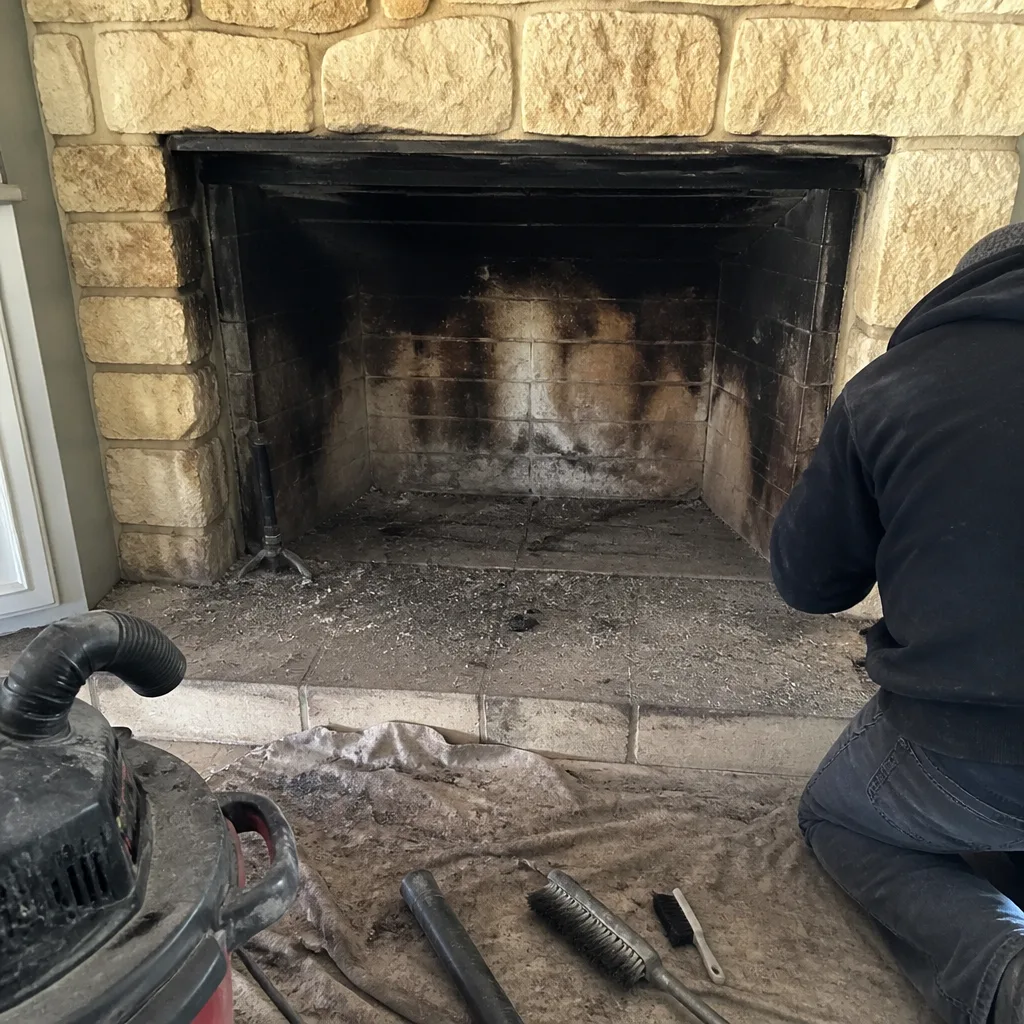 Before
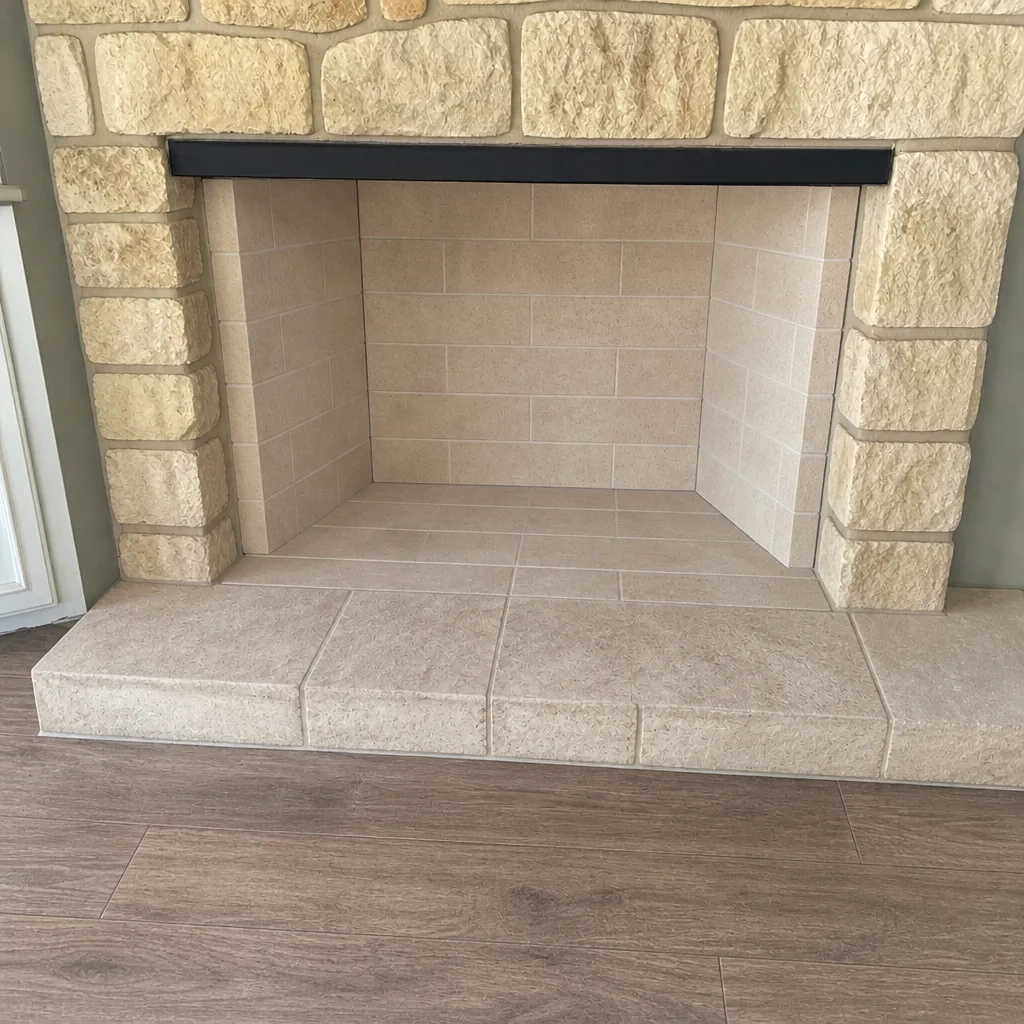 After
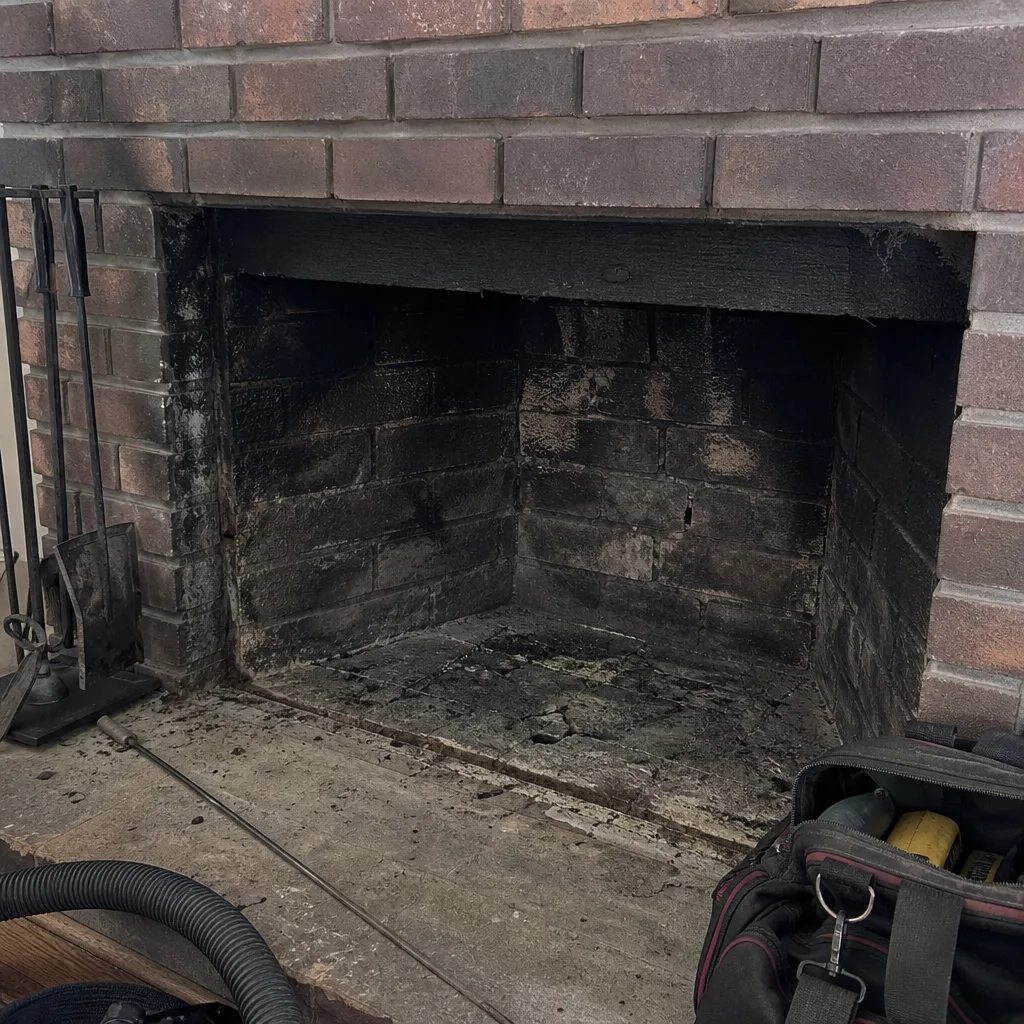 Before
 After
 Before
 After
Frequently Asked Questions
Get everyone out of the house and call 911 if you see flames at the cap, hear a roar, or see thick smoke in the room. If the fire is small and confined to the firebox, close the glass doors and the damper to cut the air supply, then watch the chimney from outside. Don’t spray water down the flue, and don’t use the fireplace again until it’s been inspected.
You usually can’t know without an inspection. Slow-burn fires leave signs like a sudden loss of draft, puffs of smoke back into the room, a hot creosote smell, or a chimney that stays warm long after the fire is out. A camera inspection finds the cracked tile or warped liner they leave behind. Call (855) 337-2098 to book one; estimates are free.
Yes. A Level 2 inspection runs a camera through the flue and confirms the liner is intact, and it’s the standard after any chimney fire. A cracked tile or warped liner is exactly where heat, smoke, and carbon monoxide get into the house, and none of that shows from the firebox. Call (855) 337-2098 and we’ll book you in.
Smoke inhalation shows up as soot, coughing, hoarseness, and burning eyes. Carbon monoxide doesn’t smell or irritate; it causes headache, dizziness, nausea, confusion, and fatigue, and symptoms ease when you leave the house. If a CO alarm sounds, get everyone outside and call 911. Don’t wait to find the source.
Once a year is the standard, and it’s the minimum for a home with an active fireplace. A fireplace that sees heavy use may need it more often. Book the sweep before the burning season so a clean flue is one less thing to worry about when the first cold night comes. Call (855) 337-2098 for a free estimate.
Smoke rolls into the room, the fire struggles to draw, and you may smell something burning that doesn’t match the firebox. Don’t assume it’s a draft problem and don’t add fuel; a blocked flue is a carbon monoxide risk. Stop using the fireplace and have the flue cleared and inspected. A cap and crown prevents the next one.
The Bottom Line
Chimney emergencies follow patterns, and the patterns are knowable. Chimney fires come in two forms, and the quiet one does the most damage. After any fire, the fireplace stays out of use until a Level 2 inspection confirms the liner is intact. Carbon monoxide doesn’t smell, so the alarm and its placement matter as much as the fireplace itself. Blockages happen overnight, and the fix is a cap and crown before the season. Work the pre-season checklist, book the sweep, and keep the inspection report where you can find it. Most of what makes a chimney emergency dangerous is the not-knowing, and a documented inspection is how you stop not-knowing.
Call (855) 337-2098 for a free estimate. We answer 24/7. Fast dispatch from 7am to 7pm, Sunday through Friday.
Written by the team at Chimney Sweep Pleasant Grove.