
Last updated November 25, 2026
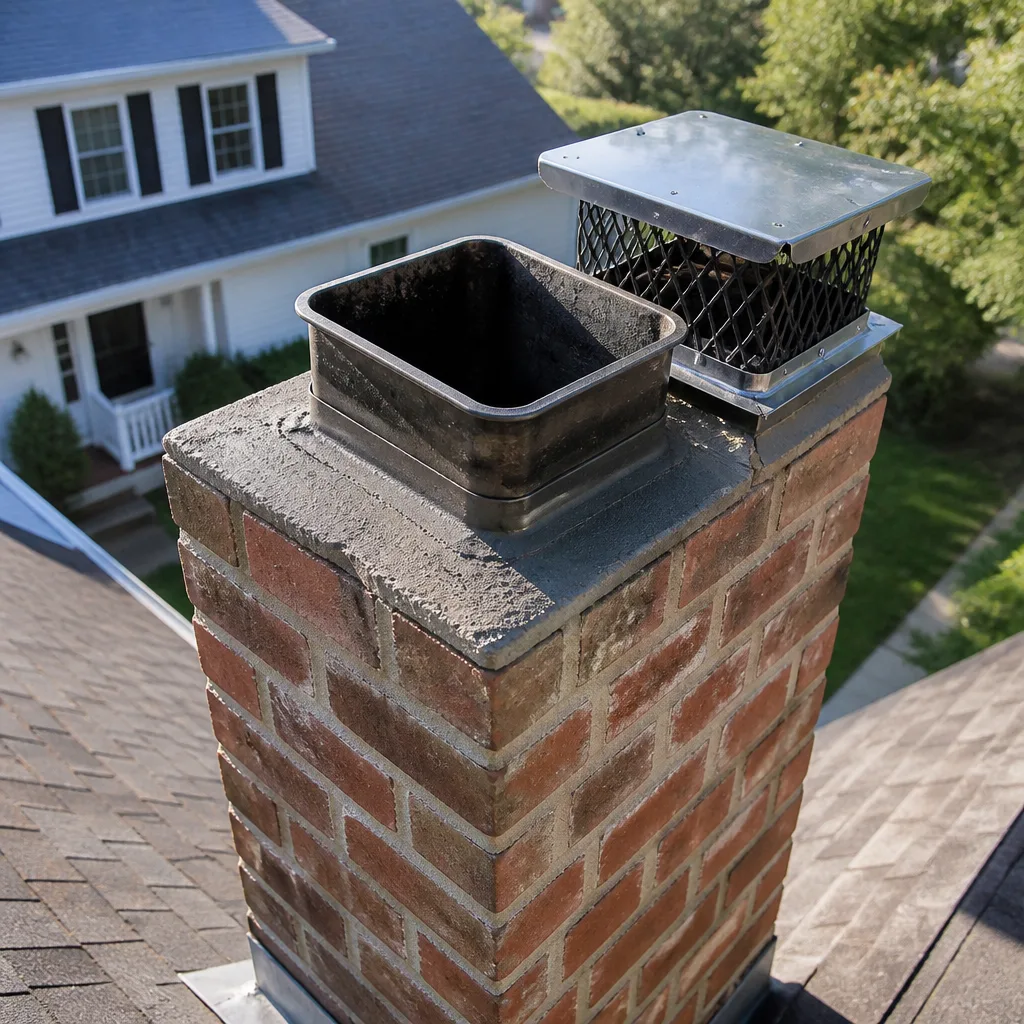 Sweep & inspection
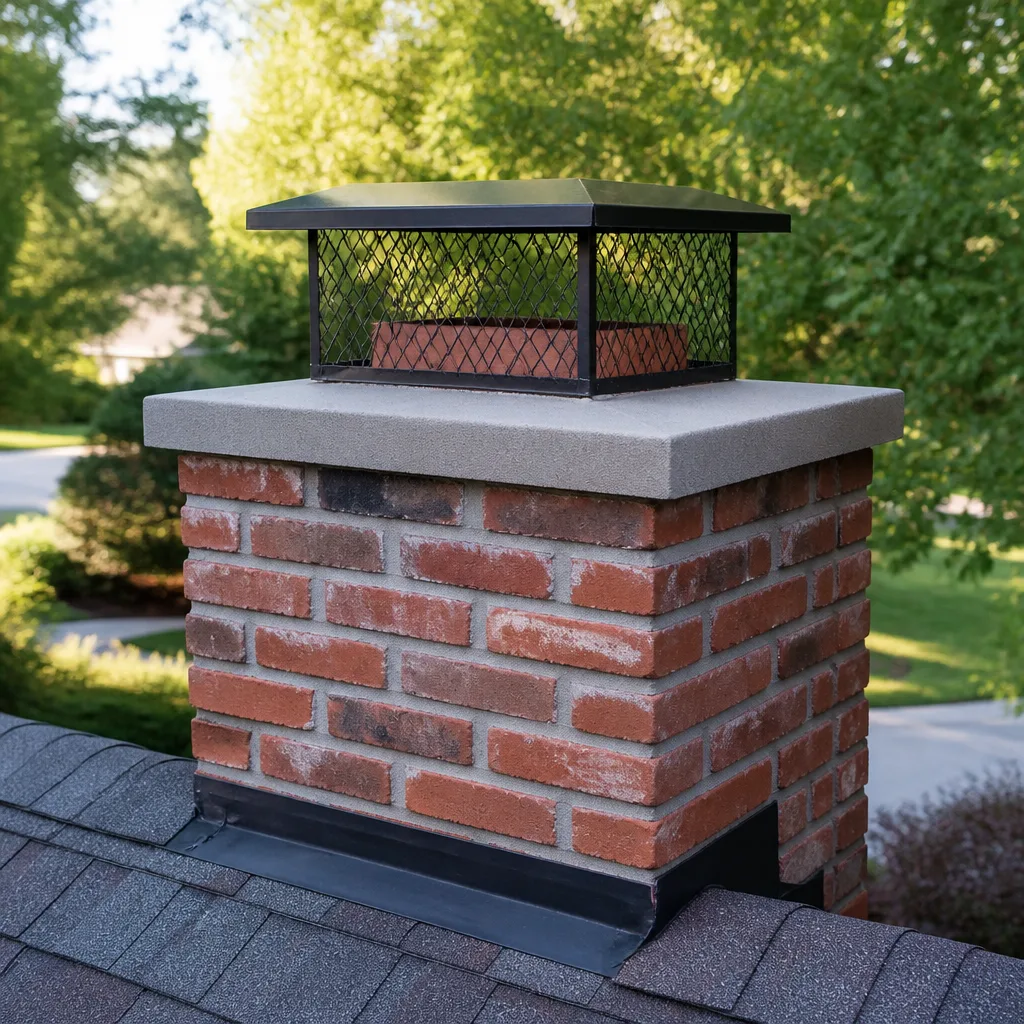 Caps & crowns
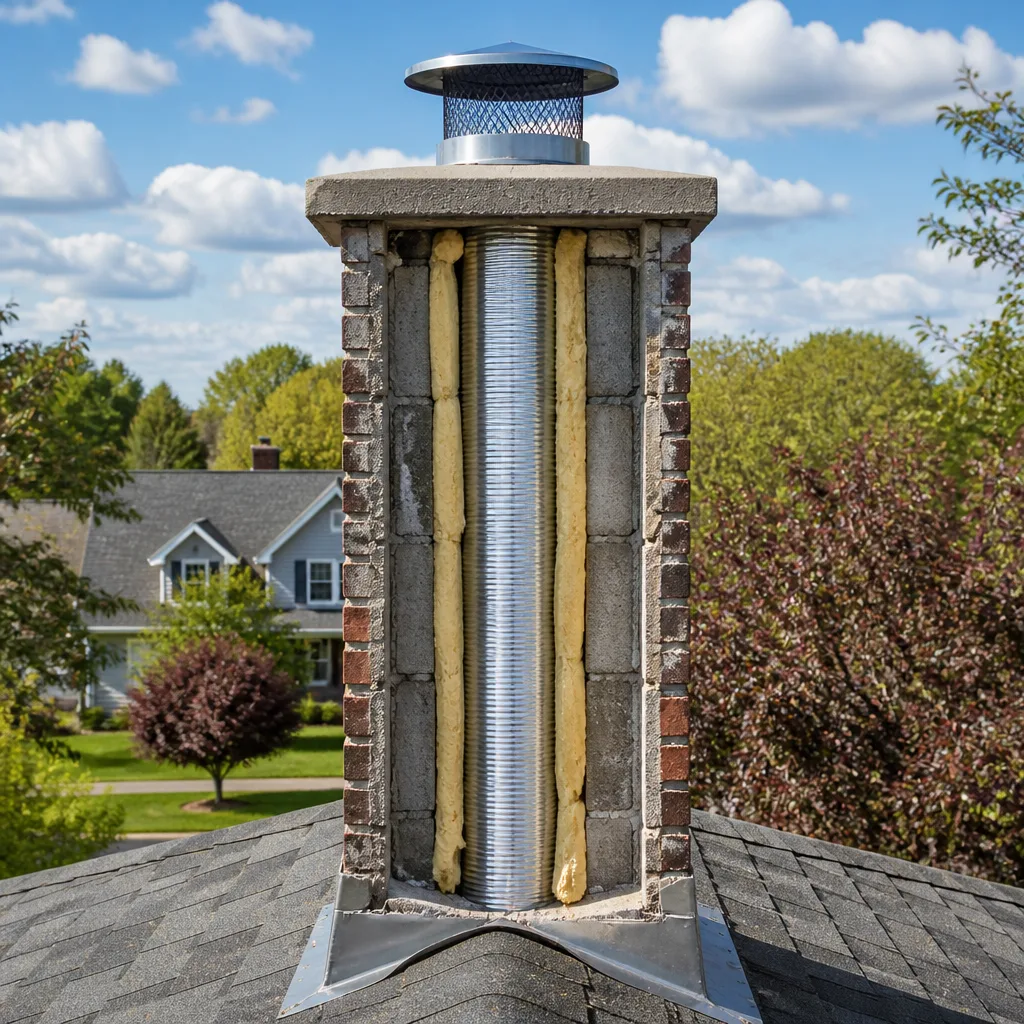 Flue relining
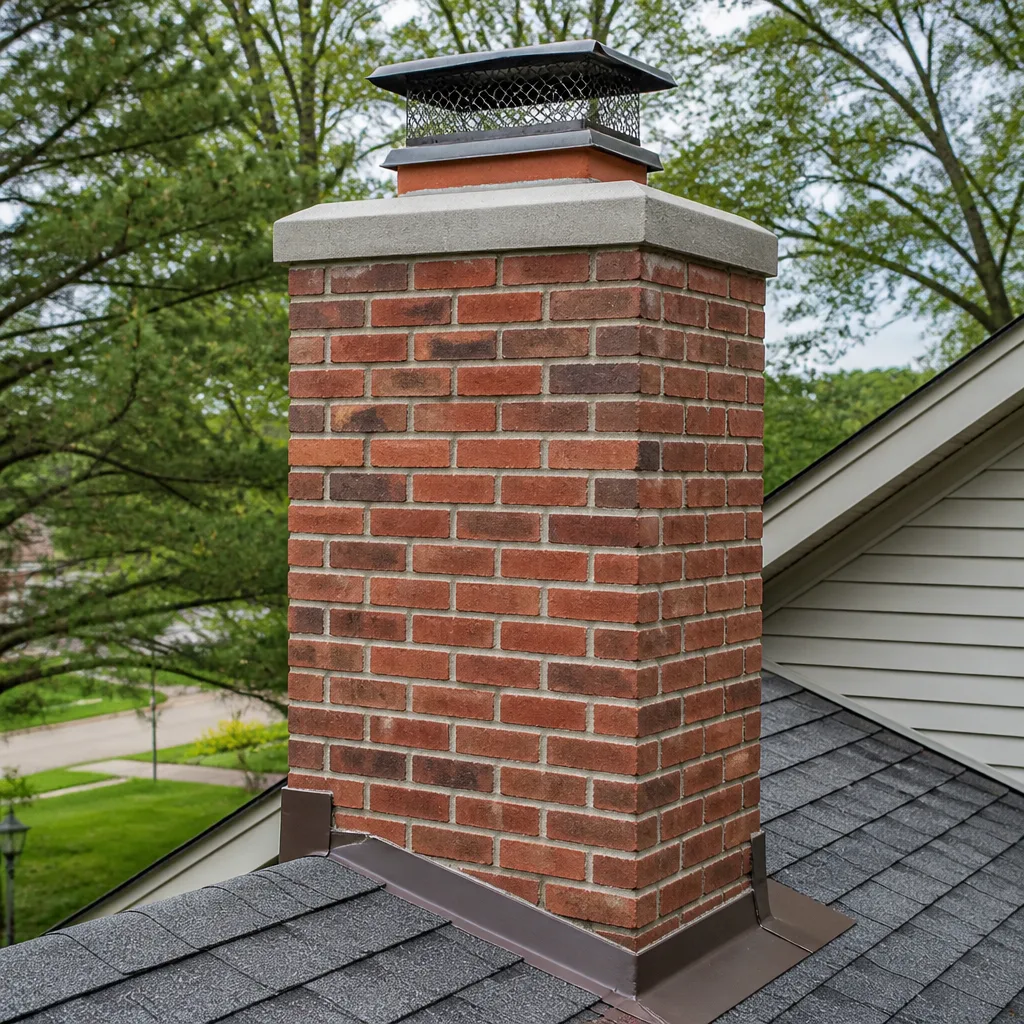 Masonry repair
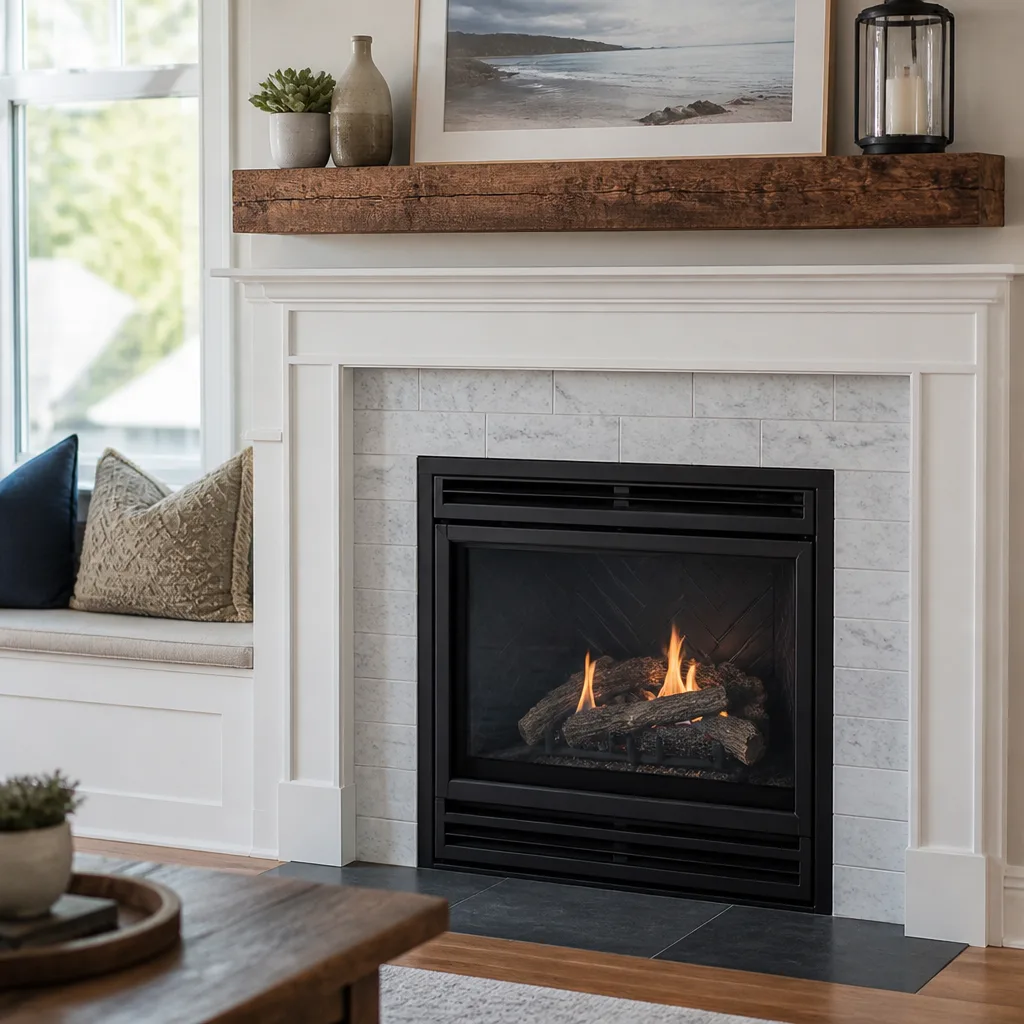 Gas fireplace service
Level 1 sweep and inspection to the NFPA 211 annual standard - flue, crown, cap, and flashing checked and photographed
Chimney sweep logs do not sweep chimneys. They loosen some creosote - which then falls where a brush and vacuum still have to collect it.
Chimney Cleaning Cost Breakdown: The Pleasant Grove Homeowner’s Reference for 2026
Most homeowners assume every chimney cleaning quote is measuring the same thing and only the price tag differs. That assumption costs money. A low brush-and-vacuum quote and a full system-service quote are not competing bids on identical work. One may be a brush pass with a flashlight glance; the other includes a camera scan of the flue, a smoke chamber evaluation, and a written condition report you can hand to an insurer. The gap between those two numbers is scope, not markup. This guide breaks down what each pricing tier in Pleasant Grove actually delivers in 2026, what the add-ons cost and why, and how to read a quote so you understand what you’re buying before you book it.
Quick Answer
A standard chimney cleaning in Pleasant Grove in 2026 typically runs about $150 – $250 for a straightforward brush-and-vacuum service, $250 – $400 when it includes a Level 1 inspection with camera scan, and $350 – $550 when a Level 2 inspection and written condition report are added. Add-ons like a stainless cap, crown reseal, smoke chamber resurfacing, or liner repair push the total higher, and every figure here is an estimate: the written estimate you receive after inspection sets the final price.
Styles & brands we work with
- Sweep & inspection
- Caps & crowns
- Flue relining
- Masonry repair
- Gas fireplace service
Table of Contents
- Why Chimney Cleaning Costs Vary So Much in Pleasant Grove
- The Three Cost Tiers Explained
- Add-On Costs: What Each Repair Includes and What Skipping It Costs
- Why Trade-Grade Materials Cost More (and Save More Over Time)
- The Insurance and Warranty Dimension
- The Hidden Cost of Deferred Maintenance
- How a Sweep Actually Goes in a Pleasant Grove Home
- Common Mistakes to Avoid
- Frequently Asked Questions
Why Chimney Cleaning Costs Vary So Much in Pleasant Grove
Two quotes for $79 and $349 aren’t the same job with different profit margins. They’re different scopes of work. The low end describes a visual brush cleaning: a technician runs a brush up the flue, vacuums the firebox, and looks upward with a flashlight. That removes creosote from the accessible portion of the flue, and it’s a legitimate service for a chimney that’s clean, sound, and has no history of problems.
It won’t tell you whether the flue tiles have cracked, whether the smoke chamber has deteriorated, whether the damper is warped, or whether the crown is failing. Those findings require a camera. And those findings are what actually protect a home from chimney fire, carbon monoxide exposure, and expensive structural repairs.
In Pleasant Grove, where many homes run wood-burning fireplaces through mild winters with occasionally heavy use during cold snaps, the sheer volume of creosote that builds up unobserved is the reason chimney sweeps here press the inspection tier. A house that burns two cords of seasoned wood per season can accumulate glazed, third-degree creosote near the flue top in a single winter. That’s not a hazard a flashlight sees.
The pricing spread also reflects the labor and equipment behind each tier. Camera scanning gear isn’t cheap, time on site grows, and a written report takes real work. If a quote promises a full Level 2 inspection for $99, the math doesn’t close. A homeowner buying that quote isn’t getting a bargain; they’re getting a brush pass with a stamp on it.
What a quote should disclose
- What’s covered: brush cleaning only, or brush plus camera plus inspection?
- What inspection level is performed: Level 1 (readily accessible), Level 2 (camera scan of inaccessible areas), or Level 3 (diagnostic teardown).
- Whether documentation is included: photo report, written findings, recommended repairs with line-item pricing.
- What materials will be used if any repair or component replacement comes up.
- Whether the estimate is free and what the final price depends on.
We document what we find on every job, not just the top tier. A homeowner who has camera photos of their flue liner can make repair decisions with confidence and hand the same documentation to an insurance adjuster if the need ever arises. That’s the actual value of a proper sweep. For the fully local view of scheduling and scope, see our Chimney Sweep Pleasant Grove service page.
The Three Cost Tiers Explained
Tier 1: Brush Cleaning Only (no camera) – about $150 – $250
This is a maintenance sweep. The technician brushes the flue from the top down or bottom up, vacuums the firebox and smoke shelf, and removes soot and creosote from the accessible surfaces. It’s the right call for a fireplace that gets cleaned on schedule and has no known issues. There’s no camera scan and typically no photo documentation.
What it doesn’t deliver: it can’t show you the condition of the flue interior above the firebox. Cracks, gaps at tile joints, and glazed creosote near the top are invisible from the firebox. If you’re comfortable with that limitation and your chimney has been inspected recently, Tier 1 is enough.
Tier 2: Cleaning + Level 1 Inspection with Camera Scan – about $250 – $400
Here the technician runs a flue camera up the chimney after cleaning, capturing footage of the liner from firebox to cap. They evaluate flue tile condition, note cracks and gaps, check the smoke chamber for deterioration, and confirm the damper operates correctly. Findings are explained in the field.
This is the tier we recommend for most Pleasant Grove homeowners with an actively used wood fireplace, and the one that catches most real problems. Camera scanning is how we show what we find rather than just describing it. A homeowner can see on video whether their flue has cracks and understand why a repair recommendation follows. For a closer look at how we approach that scan, see our chimney sweep page.
Tier 3: Cleaning + Level 2 Inspection + Written Condition Report – about $350 – $550
The fullest scope: cleaning, camera scan of the flue and accessible interior, inspection of the firebox, smoke chamber, damper, crown, cap, and exterior masonry, plus a written report with photos and recommended repairs itemized with prices. This is the tier that best serves three situations:
- You’re buying or selling a home in Pleasant Grove and need documented chimney condition.
- You’ve had a chimney fire, a puffback, or a carbon monoxide scare and need findings in writing.
- It’s been more than three years since any inspection and the chimney’s condition is unknown.
The written report is what an insurance claim is built on. It’s also what a contractor shows the next homeowner when a house goes on the market. It holds up in a way a verbal summary doesn’t.
Add-On Costs: What Each Repair Includes and What Skipping It Costs
Inspection findings tend to fall into a handful of categories, and each has its own cost profile. The figures below are typical estimates for the Pleasant Grove market in 2026, not fixed prices.
Smoke chamber resurfacing with HeatShield – about $500 – $900
The smoke chamber is the tapered space between the damper and the flue. It’s the most common spot for erosion, since hot gases swirl there and the original parging is thin. HeatShield is a ceramic-based resurfacing product applied to deteriorating smoke chamber walls, restoring a smooth, fire-rated surface without a full rebuild.
Skipping this means the rough, eroded surfaces collect creosote faster and give it more places to ignite. Erosion also opens gaps that can leak combustion gases back into the living space. Resurfacing is the repair a sweep-only crew typically can’t perform; it’s a specialist application, and it’s the difference between patching the smoke chamber and rebuilding it.
Liner repair vs. full reline – about $300 – $600 for targeted repair, $1,800 – $4,000+ for a full reline
If the camera scan finds a localized crack or a single failed tile joint, a targeted repair can often restore the liner. If the liner is cracked along its length, has spalled tiles, or is unlined, a full reline is the correct fix. That’s when a professional-grade flexible liner like DuraFlex comes into play: a continuous stainless or insulated liner sized to the flue, permanently addressing the integrity issue.
Skipping a failed liner puts carbon monoxide and embers into the home’s framing. It’s the one repair where deferral is not an option. A new liner also improves draft and can improve the fireplace’s efficiency noticeably. It’s the most expensive single line item, and the one with the most to lose by waiting.
Chimney cap replacement – about $250 – $500 stainless, less for galvanized
The cap keeps water, animals, and debris out of the flue. A stainless cap from a manufacturer like Gelco outlasts a galvanized cap by such a wide margin it’s typically the better total-cost choice, even though the sticker price is higher. The galvanized version tends to rust and fail first, exposing the same problems the cap was installed to prevent.
Skipping cap replacement when the old one is missing or damaged lets water in at the flue top, and that’s the entry point for most masonry deterioration. It also lets birds, squirrels, and bats inside. For the full picture on cap and crown as a dedicated service, see our chimney cap & crown page.
Crown reseal or rebuild – about $200 – $400 for a reseal, $600 – $1,200 for a crown rebuild
The crown is the concrete slab at the top of the chimney, sloped to shed water away from the flue. When it cracks, water runs into the masonry below and gets trapped. A reseal with a flexible masonry sealant closes hairline cracks. A full rebuild is needed when the crown is structurally broken or losing its slope.
This is the highest-leverage maintenance spend in the whole guide. A crown reseal is one of the cheapest repairs we do, and its absence is the most expensive problem we find. Which brings us to the next section.
Why Trade-Grade Materials Cost More (and Save More Over Time)
A big-box hardware store sells flexible liners and caps, and they’ll fit. They aren’t the same as the professional-grade systems certified chimney professionals install. That difference matters most in the places a homeowner can’t see: the liner’s alloy, the cap’s corrosion resistance, the fasteners and seals that hold the system together under decades of heat cycling.
We source from six professional chimney brands: DuraFlex, HeatShield, Gelco, Olympia Chimney, Famco, and Copperfield. Those are the names chimney contractors use when they’re specifying a permanent repair rather than a temporary fix. The price difference is real, typically 20 – 40% above generic equivalents for liners and caps. It buys a system designed to last and to be documented.
How trade-grade pays back
- Longevity: a stainless liner with the right alloy for wood-burning service typically lasts far longer than a lower-grade flexible liner before replacement becomes necessary. Total cost of ownership is often lower even at the higher sticker price.
- Warranty and documentation: professional-grade components come with manufacturer documentation, which helps when selling a home or filing an insurance claim.
- System compatibility: liners, caps, crowns, and firebox components designed to work together avoid the fit and seal problems that mixing brands creates.
- Heat tolerance: an alloy rated for a wood-burning flue handles the thermal cycling a gas-only rated product would degrade under.
When a repair is needed, we match the component to the finding: a DuraFlex liner for a failed flue, a HeatShield application for a deteriorated smoke chamber, a Gelco or Copperfield stainless cap for a water intrusion problem. The inspection drives the specification. That’s what a full-system specialist does. A sweep-only crew runs the brush and hands you a business card for whichever contractor handles the repair.
The Insurance and Warranty Dimension
If a chimney fire happens, homeowners insurance responds very differently depending on what documentation exists. An adjuster looks for a record that shows the chimney was inspected and serviced on a reasonable schedule. A documented Level 2 inspection report, with photos and dates and findings, is that record. A $79 brush cleaning with no documentation is not.
That documentation gap is a homeownership risk Pleasant Grove residents should weigh explicitly. The insurance angle isn’t an incentive to buy the top tier. It’s a reason to ask, when comparing quotes, what you’ll physically receive at the end of the job.
What a documented inspection report typically includes
- Date, technician sign-off, and the inspection level performed.
- Camera scan imagery of the flue interior and smoke chamber.
- Findings for each component: firebox, damper, smoke chamber, flue liner, crown, cap, and exterior masonry.
- Recommended repairs with line-item estimated pricing.
- Notes on what’s urgent, what can wait, and what to monitor.
We structure our reports to close the trust gap: nothing is recommended without camera evidence you can see for yourself, and we’ll tell you plainly when a repair can safely wait. That’s the opposite of a scare quote. It’s also one reason our return customers keep their reports in a folder next to their home’s other records.
For an inspection that produces this level of documentation, our chimney inspection service page walks through what happens on the visit.
The Hidden Cost of Deferred Maintenance
The math on deferred maintenance is straightforward once you look at the numbers side by side. A crown reseal costs a few hundred dollars. When water has been getting into the masonry through a failed crown for three winters, the flue tiles spall, mortar joints fail, and the liner needs full replacement. The repair tag is now in the thousands.
Pleasant Grove winters are mild, which cuts both ways. Freezing isn’t the primary threat here; the ongoing water exposure is. Water that enters the masonry through a cracked crown and soaks the clay tile doesn’t disappear between rain events. It slowly degrades the tile structure from the outside in, and the damage compounds with every wet cycle.
The same deferral logic applies to smoke chamber deterioration. A rough, eroded smoke chamber collects creosote. Glazed creosote ignites at a lower temperature than the fluffy version. A chimney fire is then not a hypothetical; it’s a matter of enough chimney use. Rectifying the smoke chamber with a HeatShield application addresses the ignition point before the fire has a chance, and it’s far cheaper than a chase repair after a fire event.
Repairs ranked by how much waiting costs
- Failed flue liner: don’t defer. Carbon monoxide and ember intrusion risk. Fix now.
- Missing or damaged cap: deferring lets water and animals in. Fix promptly.
- Cracked crown: deferring means the crack widens and lets more water in. Reseal now.
- Eroded smoke chamber: deferring raises the odds of a chimney fire. Address before the next burning season.
- Soot and creosote buildup: a sweep is cheap. Schedule it before clearing the winter season.
We tell homeowners which of those lines can wait. Some can; the liner can’t. Getting the honest distinction between the two is what separates a proper inspection from a scare quote.
How a Sweep Actually Goes in a Pleasant Grove Home
Knowing the sequence helps you evaluate a quote before you book it. Here’s what a professional sweep visit looks like, step by step:
- Setup. Drop cloths go down around the firebox and hearth. A high-powered vacuum connects to the flue opening so the work area stays clean.
- Brush the flue. A rotary or manual brush paired with a flexible rod runs from the firebox up to the cap or from the roof down, dislodging creosote and soot. The vacuum captures the debris as it falls.
- Clear the firebox and smoke shelf. The firebox floor, smoke shelf, and damper are cleaned by hand and vacuumed.
- Run the camera. A flue camera scans the liner from firebox to cap. Cracks, gaps, and glaze are documented.
- Inspect the remaining components. Damper operation, smoke chamber condition, crown, cap, and accessible exterior masonry are checked.
- Walk the homeowner through the findings. Camera imagery is shown in the field. Recommended repairs are itemized, annotated, and priced before booking. Nothing gets done without the homeowner’s go-ahead.
A sweep that runs cleanly takes one to two hours on a typical masonry fireplace. If a quote promises a full sweep plus inspection in thirty minutes, the camera scanning and masonry checks aren’t happening. For related fireplace services, our fireplace repair page covers what we handle on the firebox and damper side.
Common Mistakes to Avoid
- Choosing purely on the lowest quote. A $79 cleaning and a $349 cleaning are different scopes of work. Ask what’s included before comparing dollar amounts, because the gap between them reflects a camera scan and documentation, not margin.
- Skipping the inspection when the sweep is already happening. The chimney is open and the technician is on site. Adding the camera scan at that point costs far less than booking a second visit later when you suspect a problem.
- Letting a cracked crown sit through the rainy season. This is the quietest expensive mistake in the guide. Water intrusion damages masonry and liner structure at a slow but relentless rate.
- Buying a galvanized cap to save a few dollars. A stainless cap (Gelco or Copperfield) costs more upfront and lasts long enough that the total cost is lower. Galvanized caps tend to rust out first and expose the flue again.
- Treating the camera scan as optional. Without it, you’re buying cleaning capacity, not knowledge about your chimney’s condition. The camera is the difference between a sweep and a system service.
- Not requesting a written report. The report is what serves you at claim time or sale time. If the technician won’t put findings in writing, the inspection is worth less than its price suggests.
- Waiting until the first cold snap to book. Chimney appointments fill in Pleasant Grove ahead of the winter burning season. Getting the inspection done in the warmer months gives time to schedule any recommended repair before the first fire.
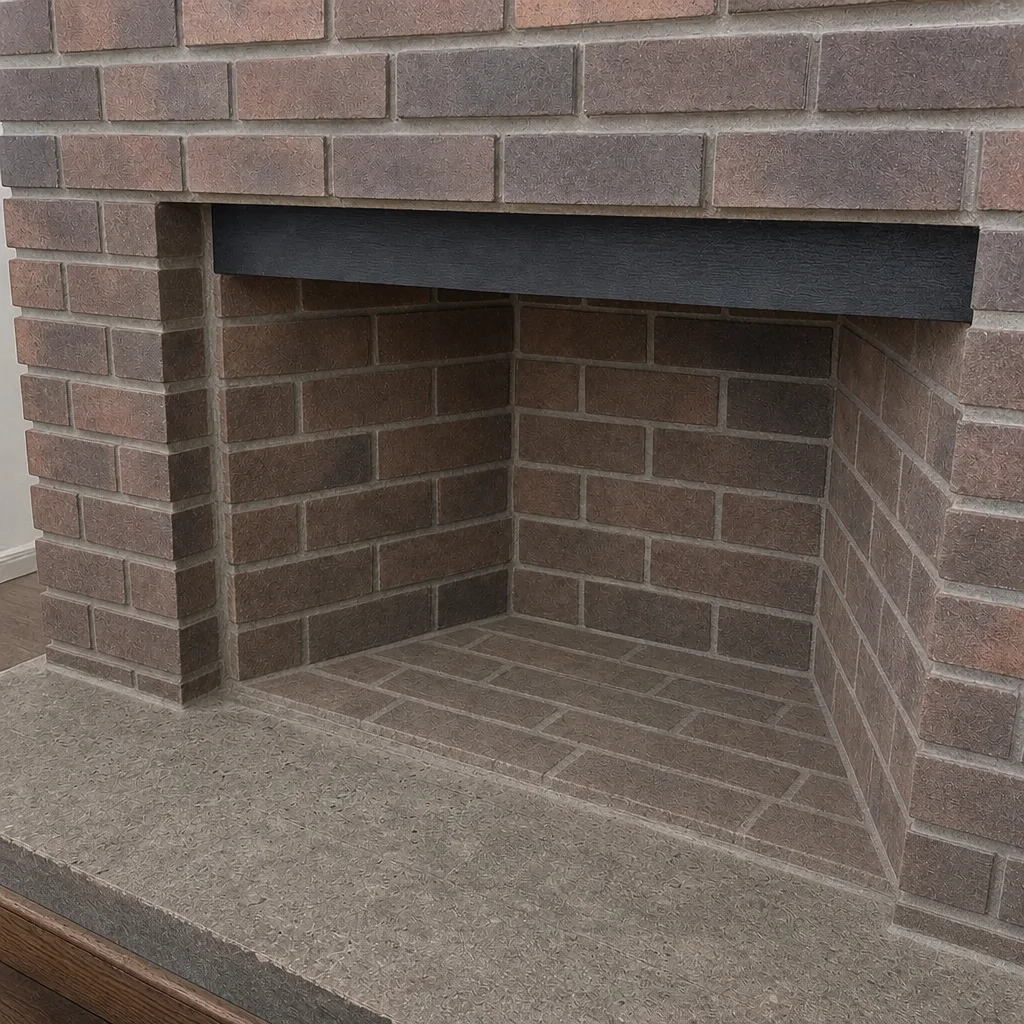
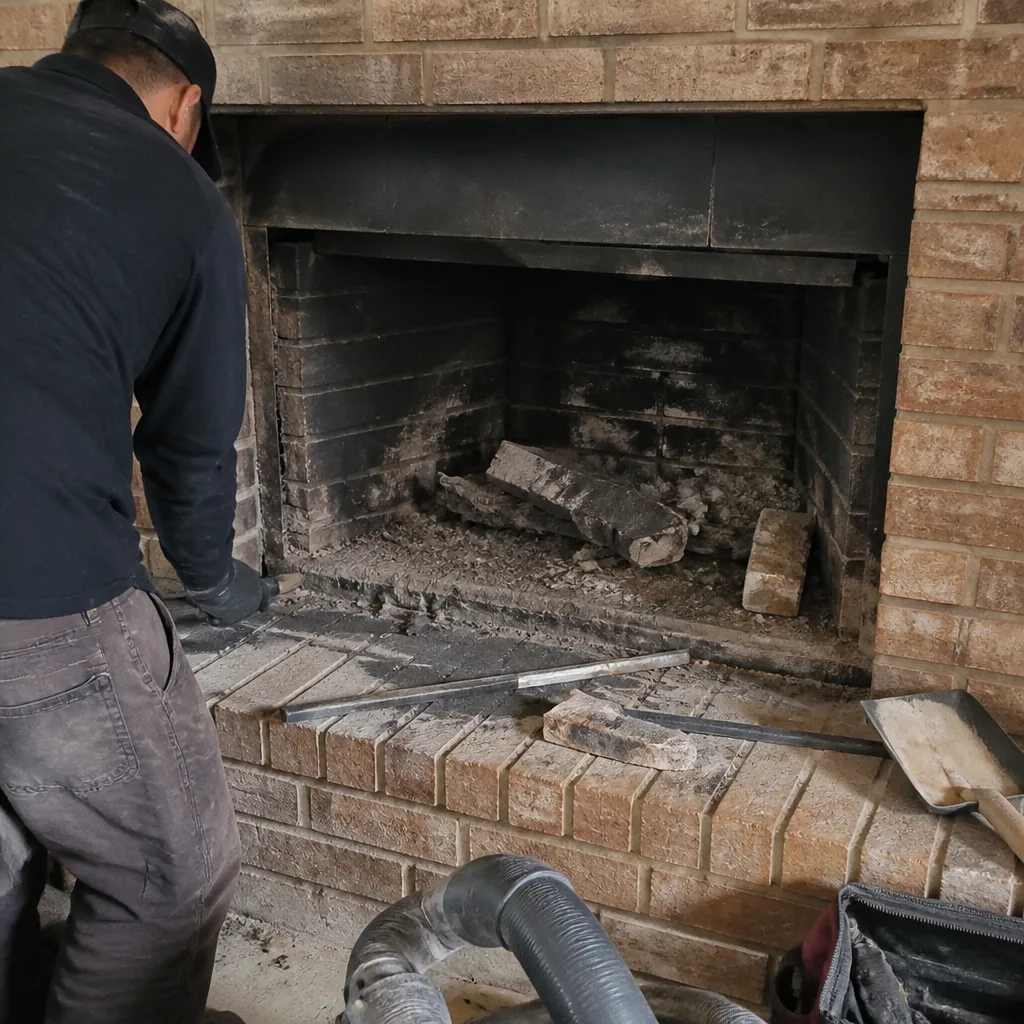
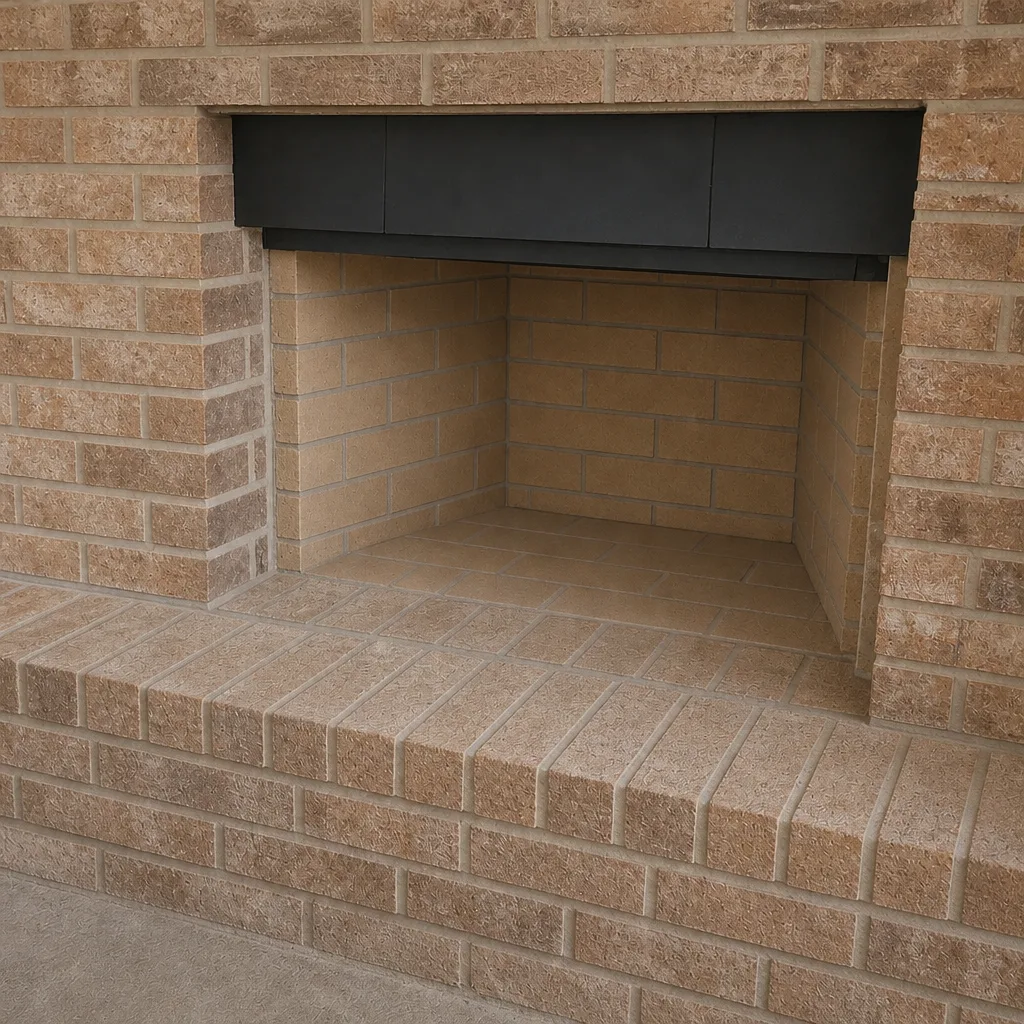
See the difference
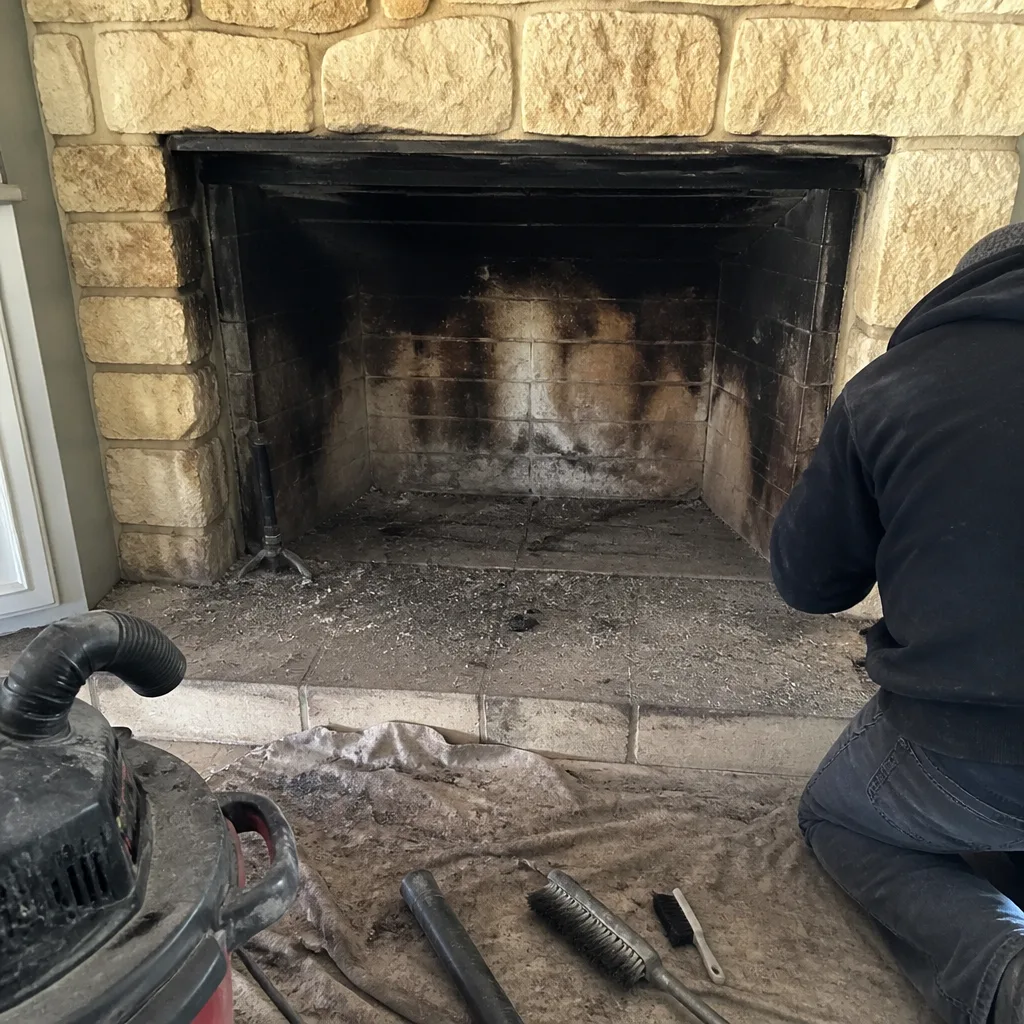 Before
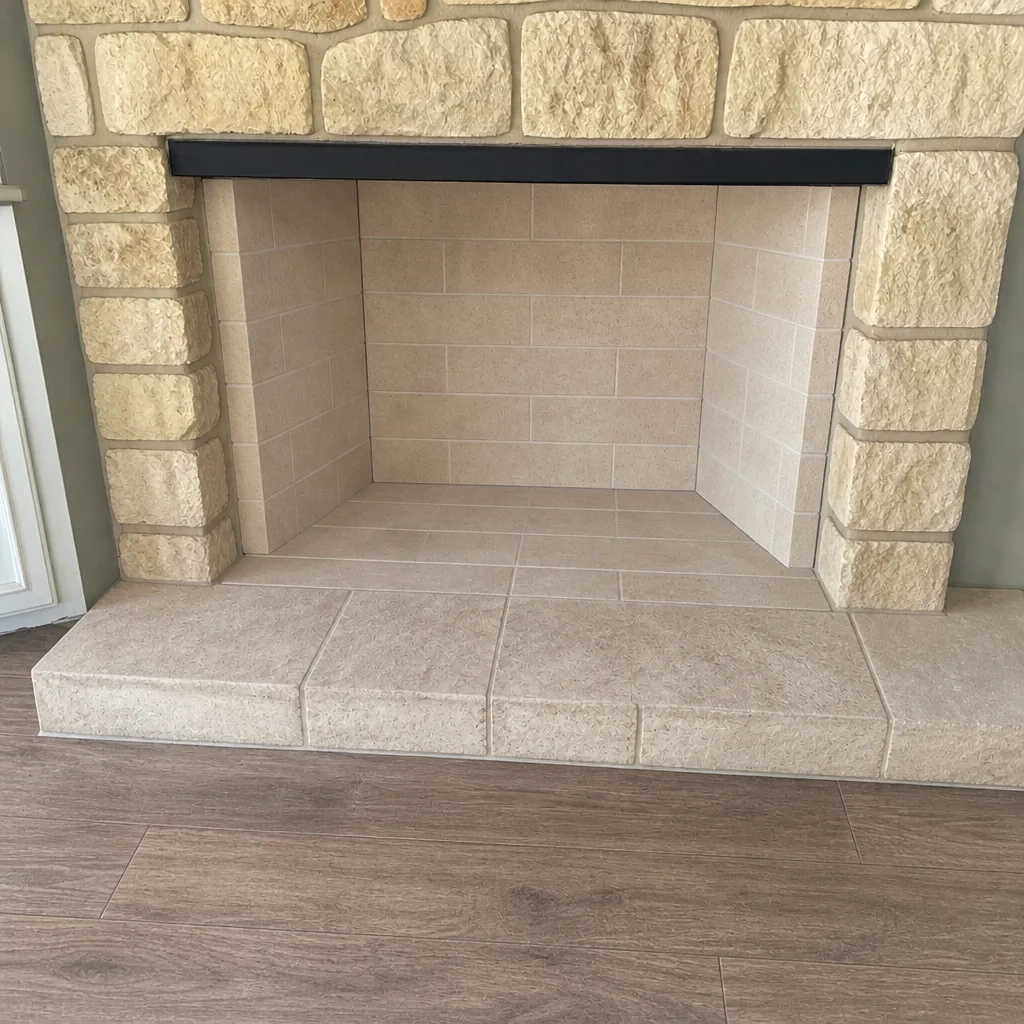 After
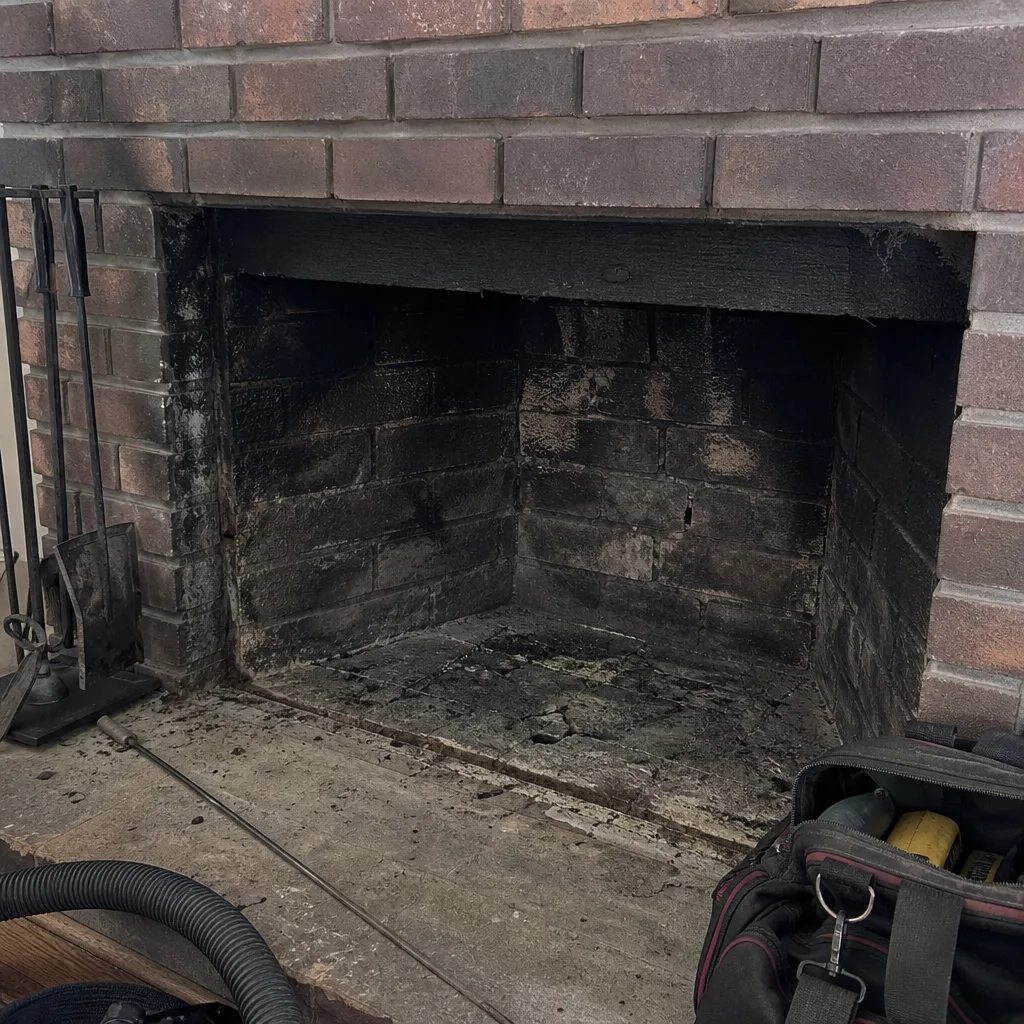 Before
 After
 Before
 After
When to Call a Professional
Some situations call for a call today, not next summer. You should get professional eyes on the chimney if: you’ve never had it inspected or can’t remember the last inspection; you smell smoky, acrid, or odd odors in the house when the fireplace isn’t in use; you’ve had a chimney fire, a loud roar from the flue, or a puff of black smoke that reversed into the room; you see cracks in the crown or missing bricks on the exterior; the damper doesn’t open smoothly; you’re buying or selling a Pleasant Grove home; or you’re about to start a new burning season with a chimney of unknown history. Chimney Sweep Pleasant Grove offers free estimates in Pleasant Grove. Call (855) 337-2098. We answer 24/7. Fast dispatch from 7am to 7pm, Sunday through Friday.
Frequently Asked Questions
A standard chimney cleaning in Pleasant Grove typically runs about $150 – $250 for a brush-and-vacuum service, $250 – $400 with a Level 1 inspection including a camera scan, and $350 – $550 for the fullest scope with a Level 2 inspection and written condition report. Every figure is an estimate, and the written estimate sets the final price. Call (855) 337-2098 for an exact quote on your chimney; estimates are free.
Only if the camera scan shows the existing liner is cracked, spalling, or unlined. A localized crack sometimes calls for a targeted repair rather than a full replacement. Nothing is recommended without camera evidence you can see for yourself, and we’ll tell you plainly when a repair can safely wait. Also note that the local pro performing the work is licensed and insured as the state requires, so you’re covered either way. Call (855) 337-2098 to schedule an inspection that will tell you definitively.
The standard rule of thumb is once a year for a wood-burning fireplace under active use, and more frequently if you burn heavily or burn unseasoned wood. A proper annual sweep catches creosote buildup and small findings before they become structural problems. Call (855) 337-2098 before the winter season to book your sweep.
Creosote builds up in the flue, and glazed, third-stage creosote ignites at relatively low temperatures, which is how chimney fires start. Smaller cracks in the liner and crown also go undetected without a camera scan, letting water and gases into places they shouldn’t be. The risk is real and the fix is cheap compared to the failure. Call (855) 337-2098 to book a sweep and inspection before burning season.
No. The $79 quote typically describes a brush pass with a visual glance, no camera scan, and no written report. The $349 quote usually includes a camera inspection, smoke chamber evaluation, and documented findings. They’re different scopes, not different margins on the same work. Call (855) 337-2098 to ask what each tier includes before you book.
Yes. A documented Level 2 inspection with photos and dates is the record an adjuster looks for after a chimney fire, and undocumented brush cleanings don’t serve the same purpose. If you’d like a report structured for insurance or real-estate purposes, call (855) 337-2098 to book one; estimates are free.
The Bottom Line
Chimney cleaning pricing in Pleasant Grove in 2026 reflects three distinct scopes of work, not three versions of the same job. The brush pass covers the accessible surfaces. The camera scan reveals what’s happening inside the flue and smoke chamber. The written report turns findings into documentation you can use. Choosing on price alone without knowing what each tier includes often means paying twice, once for the sweep and again later when a deferred crack becomes a failed liner. Start with a proper inspection, let the findings drive the repair plan, and act on the crown and cap before water gets ahead of you. If the liner is sound, most repairs can safely wait. If it isn’t, act now. Either way, you’ll know what you’re working with, and that’s the real product.
Call (855) 337-2098 to schedule your chimney cleaning or inspection. We answer 24/7. Fast dispatch from 7am to 7pm, Sunday through Friday. Estimates are free, and every recommendation is documented with camera evidence before any booking.
Written by the team at Chimney Sweep Pleasant Grove.